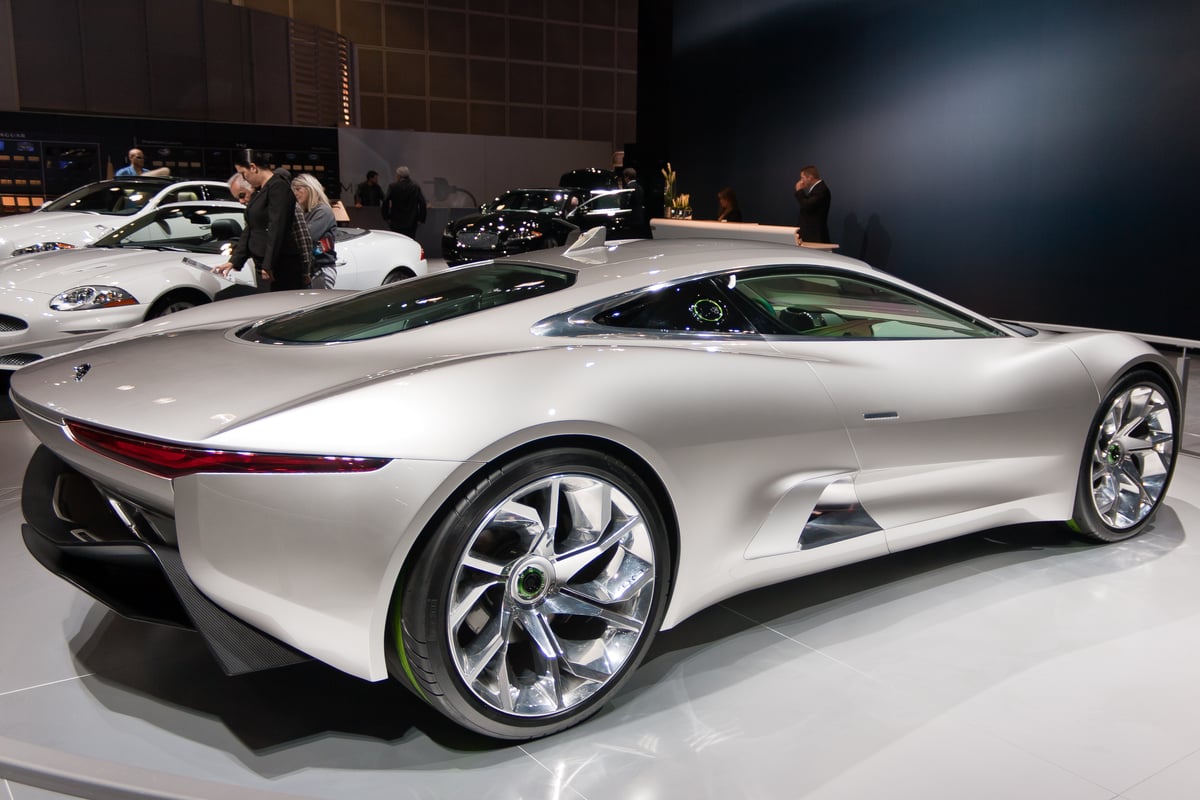
Two years ago, Jaguar Land Rover did something remarkable: they managed to make rebranding a car company controversial. The new Jaguar identity—all minimalist aesthetics and forward-looking messaging—landed like a Tesla at a coal convention. The internet erupted. Culture warriors declared it dead. Think pieces multiplied. And then, like a perfectly timed punchline, Jaguar unveiled an actual electric car.
The irony is almost too clean to be real. We live in a world where electric vehicles occupy a bizarre cultural superposition: simultaneously saviors of the planet and symbols of insufferable privilege, depending on which comment section you’re reading. A luxury car brand pivoting to electric is the ultimate test of this contradiction. Jaguar spent decades selling the dream of power, prestige, and speed—the kind that came with an engine you could hear. Now they’re selling you the dream of power, prestige, and silence, with a charging cable that costs more than your first apartment.
What makes this genuinely funny is not that Jaguar went electric. It is that they went electric while being mocked relentlessly for being too trendy, too progressive, too aware of their own brand moment. And somehow, by simply showing up with an actual product, they’ve managed to flip the script. The car exists. It charges. It probably works fine. The performative outrage has nowhere to land because there is no longer a void to fill with speculation—there is just a car.
So here we are: Jaguar, once the symbol of untamed luxury, is now the symbol of luxury’s uncomfortable reckoning with reality. They did not back down from the rebrand that nearly broke the internet. They doubled down. And weirdly, that might be the least woke thing they could have done.