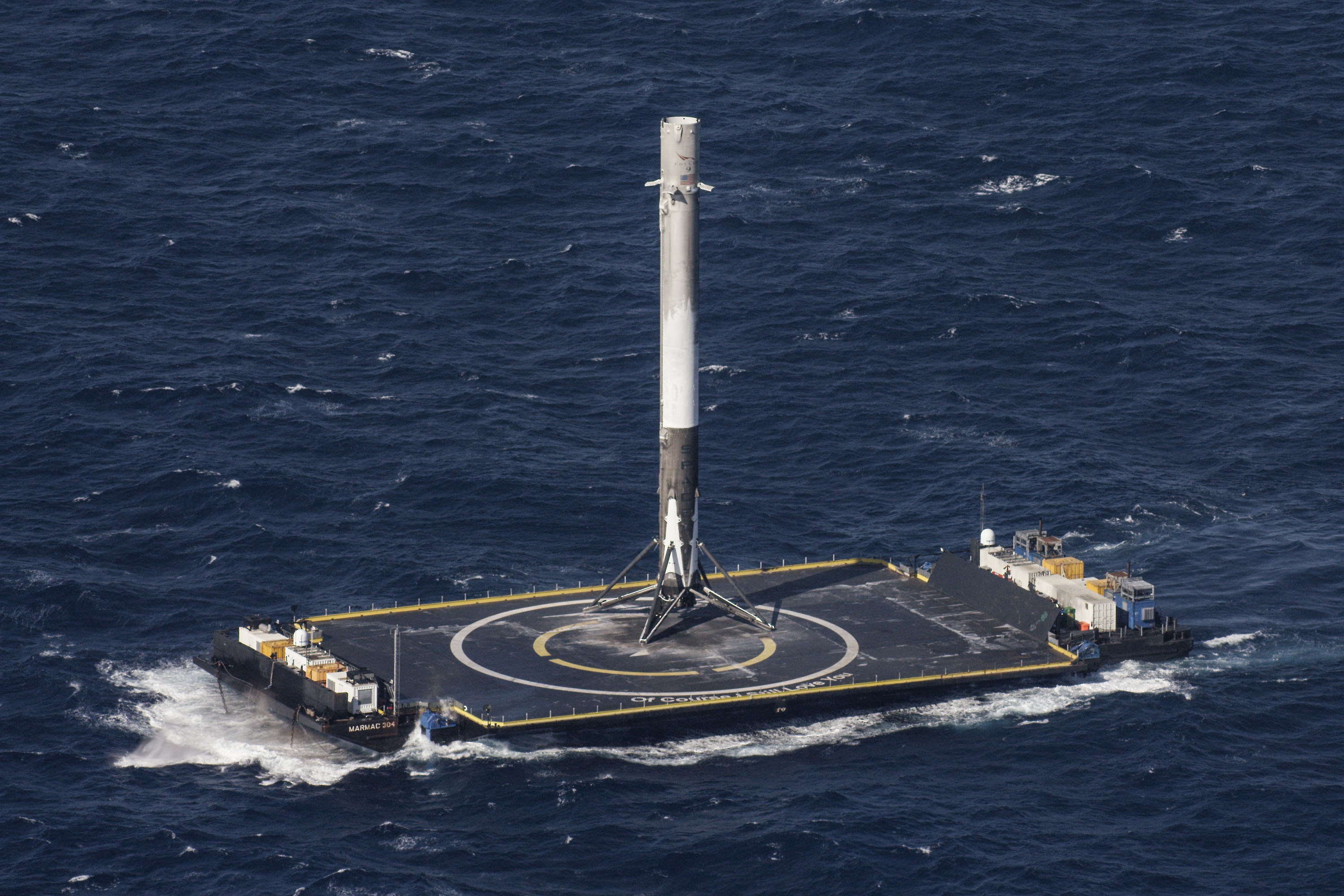
SpaceX just pulled in $87.5 billion in its IPO—$12.5 billion more than anyone expected. Apparently, the market looked at a company that launches rockets and thought: yes, this is where my money goes. Not healthcare. Not infrastructure. Not solving any of the problems that actually affect the ground-dwelling 99.9% of humanity. Rockets.
Here’s what happened: investors saw the initial target of $75 billion and decided that was far too reasonable. They wanted to bid higher, because when you have a few trillion dollars sloshing around looking for returns, you eventually convince yourself that a reusable rocket is the answer to every question. The stock popped on day one, naturally, because nothing says “rational market” like buying something you didn’t get a chance to own yesterday at a 40% premium.
The absurdity is not that SpaceX is valuable—it has real contracts, real technology, and real revenue. The absurdity is what this says about where capital flows when interest rates have been low for long enough. We have decided, collectively, that the future belongs to billionaires who want to leave the planet rather than fix it. Homelessness? Boring. Climate adaptation? Not exciting enough. A rocket that lands itself? Now we are talking.
So what does this mean for you? If you were hoping capital markets would incentivize solutions to earthly problems, you are going to keep waiting. The money is chasing the stars. At least the view from space is probably nice.