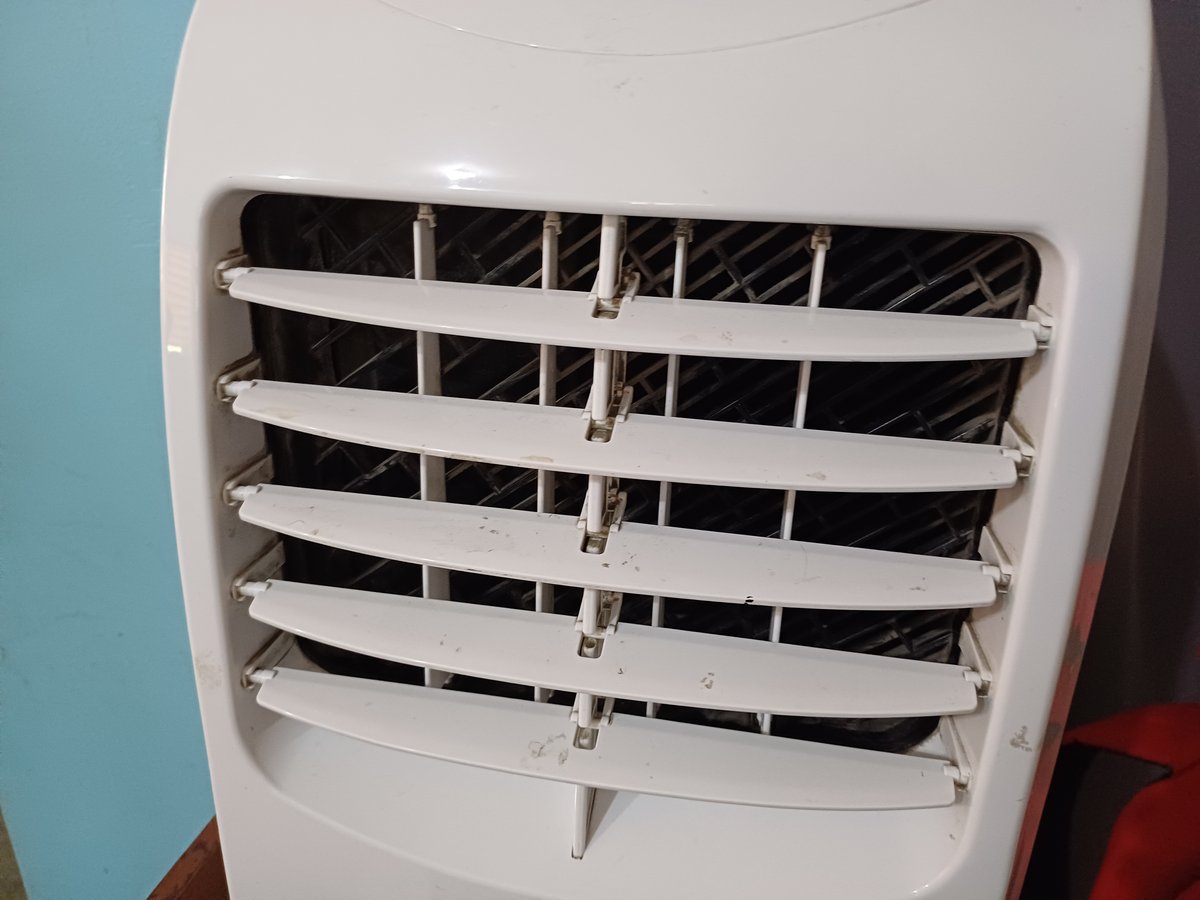
The Advertising Standards Authority just did what regulators do best: killed the dream. Those portable air conditioners promising to cool your entire room in 90 seconds? Too good to be true, apparently. Shocking revelation, we know.
But here is what actually matters: consumers have spent real money — millions of it — on devices that do not work as advertised, and that is not a product problem. That is a finance problem. This is what happens when marketing meets desperation meets the internet’s collective inability to read a spec sheet.
The economics here are almost beautiful in their absurdity. A consumer sees an ad, feels hot, and decides that a £50 device is cheaper than fixing their actual ventilation or waiting for evening. They are not buying cooling technology. They are buying the fantasy that a problem can be solved instantly, cheaply, and without effort. That fantasy has real value in the attention economy — which is why these products keep getting funded, manufactured, and shipped despite doing almost nothing.
Investors betting on this market were not stupid. They understood the actual product: consumer psychology, not physics. The real play was always the margin on hope. Manufacture something that looks plausible, spend on ads that prey on summer misery, and move inventory before reviews catch up. The ASA ruling just means that particular con is slightly less profitable now.
The lesson for anyone with money to invest: when a market is growing fastest in the space between what is promised and what is possible, you are not looking at innovation. You are looking at a financial extraction machine. And those always cool down eventually.