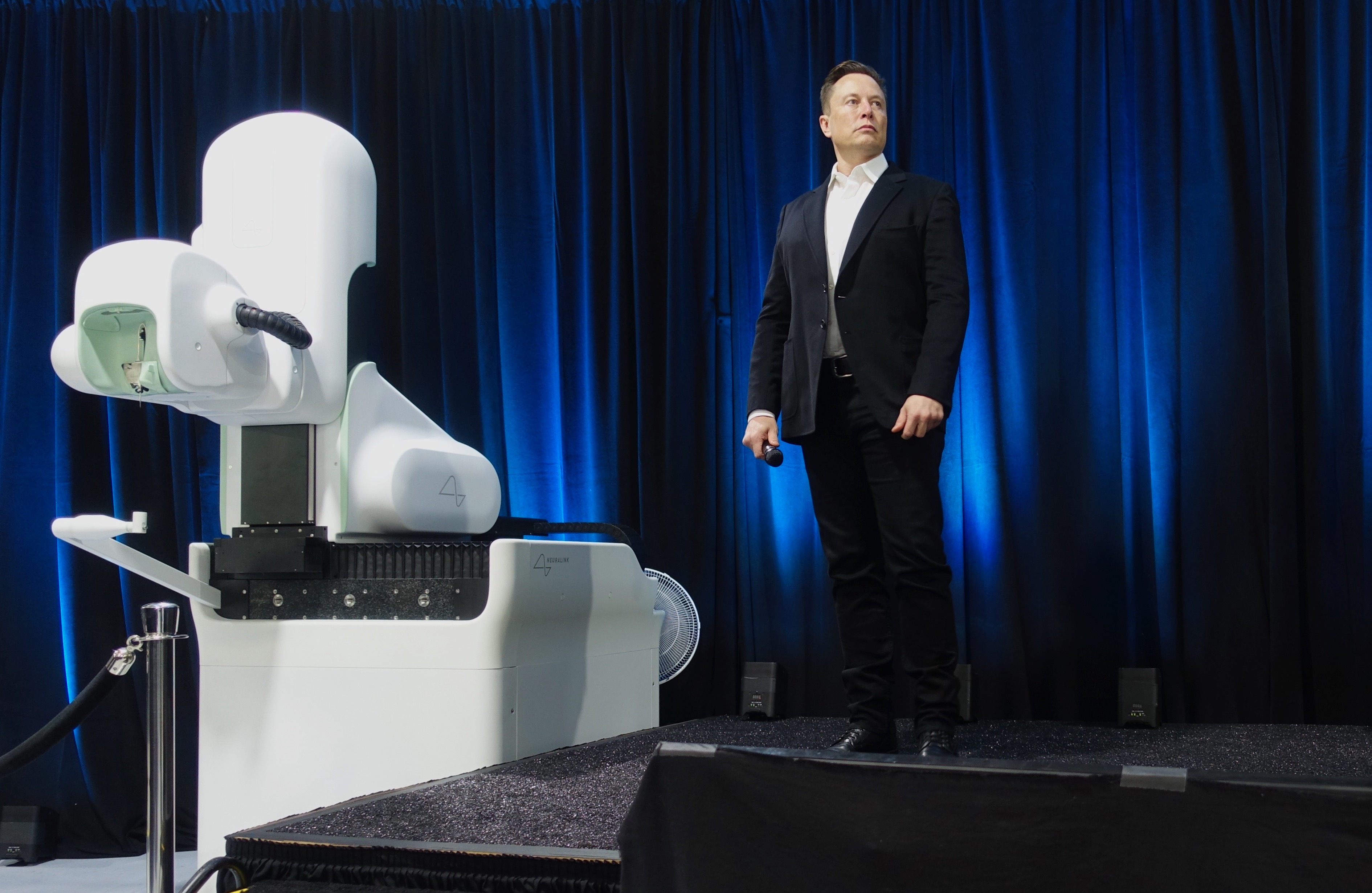
One month into public trading, SpaceX shares have already fallen below their debut price—a development that investors are treating with the calm acceptance of someone who just watched their life savings get launched into low Earth orbit and forgot to pack a return ticket.
The volatility is, apparently, a surprise to no one except the people who bought in. SpaceX has spent years operating as a private company where the only currency that mattered was Elon Musk’s Twitter mentions and the occasional successful landing of a rocket that did not explode. The transition to public markets, where quarterly earnings reports and investor patience are things that actually exist, has proven somewhat more complicated.
What we are witnessing is the collision between two incompatible realities: a company that treats engineering problems like feature requests (iterate until it works, blow things up along the way) and shareholders who prefer their investments to move in directions they can predict using basic math.
The real absurdity is not that SpaceX shares are volatile. It is that anyone expected otherwise. You are buying a piece of a company whose core business involves strapping extremely expensive equipment to controlled explosions and hoping it comes back. The fact that the stock price fluctuates more than a weather forecast is not a bug—it is the feature you signed up for.
If you bought SpaceX shares expecting stability, congratulations: you have learned the difference between investing in space travel and investing in a space company. One is a moonshot. The other is a financial instrument designed by people who think the moon is a reasonable business plan.