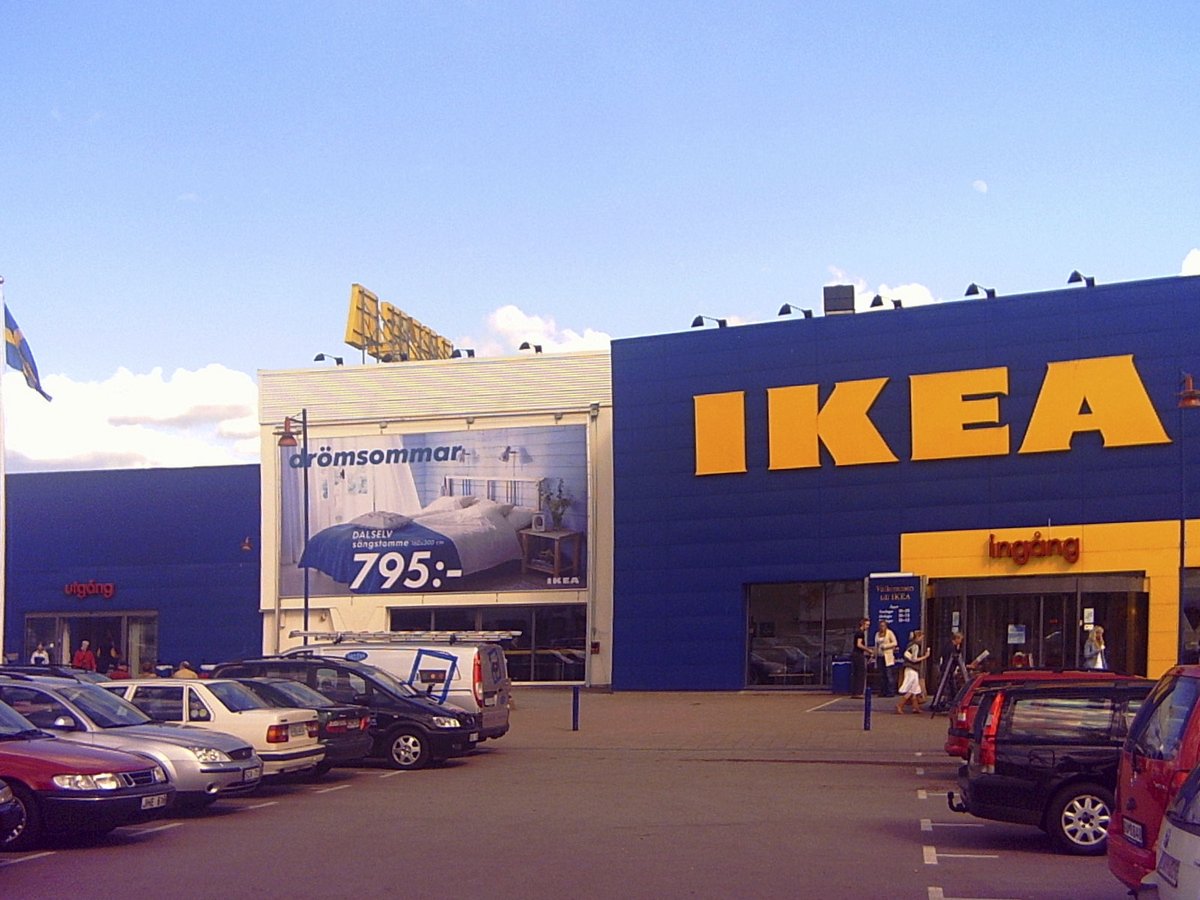
Ikea has announced a sweeping price reduction across its product lines, a move the company insists is purely about affordability. What they are not explicitly mentioning is that customers have already solved the furniture problem themselves by simply sitting on the cardboard boxes the furniture arrives in.
Revenue has declined as the cost of living crisis leaves people choosing between a Billy bookshelf and, say, eating. Ikea’s response is to slash prices—but also to quietly introduce their new premium collection: “Kartonlux.” Each piece is crafted from 100% recycled cardboard, held together with the kind of optimism usually reserved for first-time flat-pack builders at 11 p.m. on a Sunday.
The Kartonlux sofa retails for $89 and collapses under the weight of a single regret. The dining table supports up to three plates before achieving structural honesty. Yet marketing materials describe it as “artisanally minimalist” and “sustainably uncompromising.”n Internally, Ikea executives have realized what customers figured out months ago: if people are going to sit on cardboard anyway, why not charge them for the privilege? By positioning flat-pack boxes as a lifestyle choice rather than a shipping container, they have turned financial desperation into a design movement.
The strategy is working. Early adopters are already bragging about their “authentic cardboard aesthetic” on social media, unaware they are simply broke and creative about it. Ikea is calling this the future of furniture. Everyone else is calling it Tuesday.