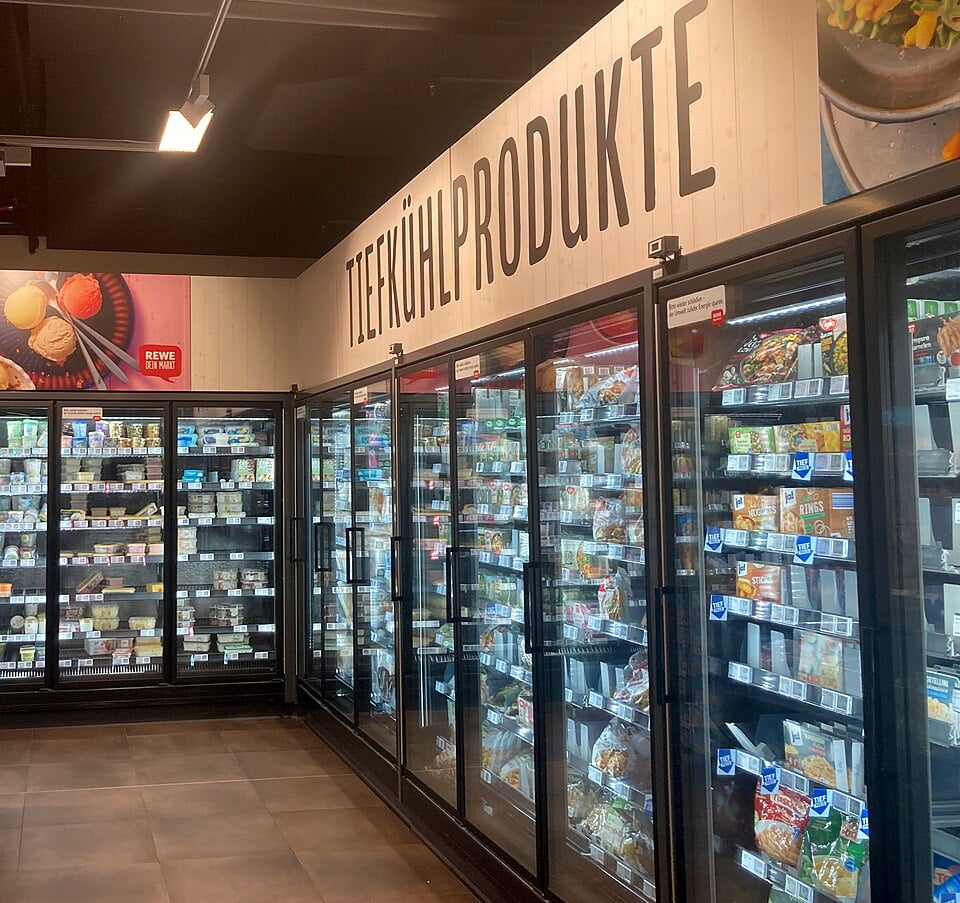
Somewhere in Europe, a shop freezer reportedly climbed to 50C (122F), roughly the temperature of a car dashboard in July, except it was supposed to be holding your choc ice. Freezers in several shops across seven countries were hit by a cyber-attack, and the machines that were meant to keep the frozen peas solid started cooking them instead. Nobody has confirmed whether the hackers wanted the peas or the bank accounts of the economists who keep calling the jobs market ‘resilient’.
Here is the mechanism, as far as anyone can tell. Modern shops run their fridges and freezers through networked controllers, which means a determined person with a laptop can reach a cabinet of Magnum bars from the other side of the world. The insurance claims will be enormous. The economists will call it a supply shock, meaning a sudden disruption to what goods are available. The commentators will call it a warning sign. Meanwhile, a savings account paying 0.5% (half a percent) interest will keep quietly losing ground to prices, as it has been doing all year.
So what does this mean for you? Almost nothing directly, unless your freezer is connected to the internet, in which case you have bigger problems than the sorbet. The useful lesson is to be suspicious of anyone who calls the economy ‘fundamentally sound’ while their own fridge is running on Wi-Fi. Keep your emergency cash somewhere boring, check your pension once a year rather than once a day, and buy the ice cream on the day you plan to eat it.