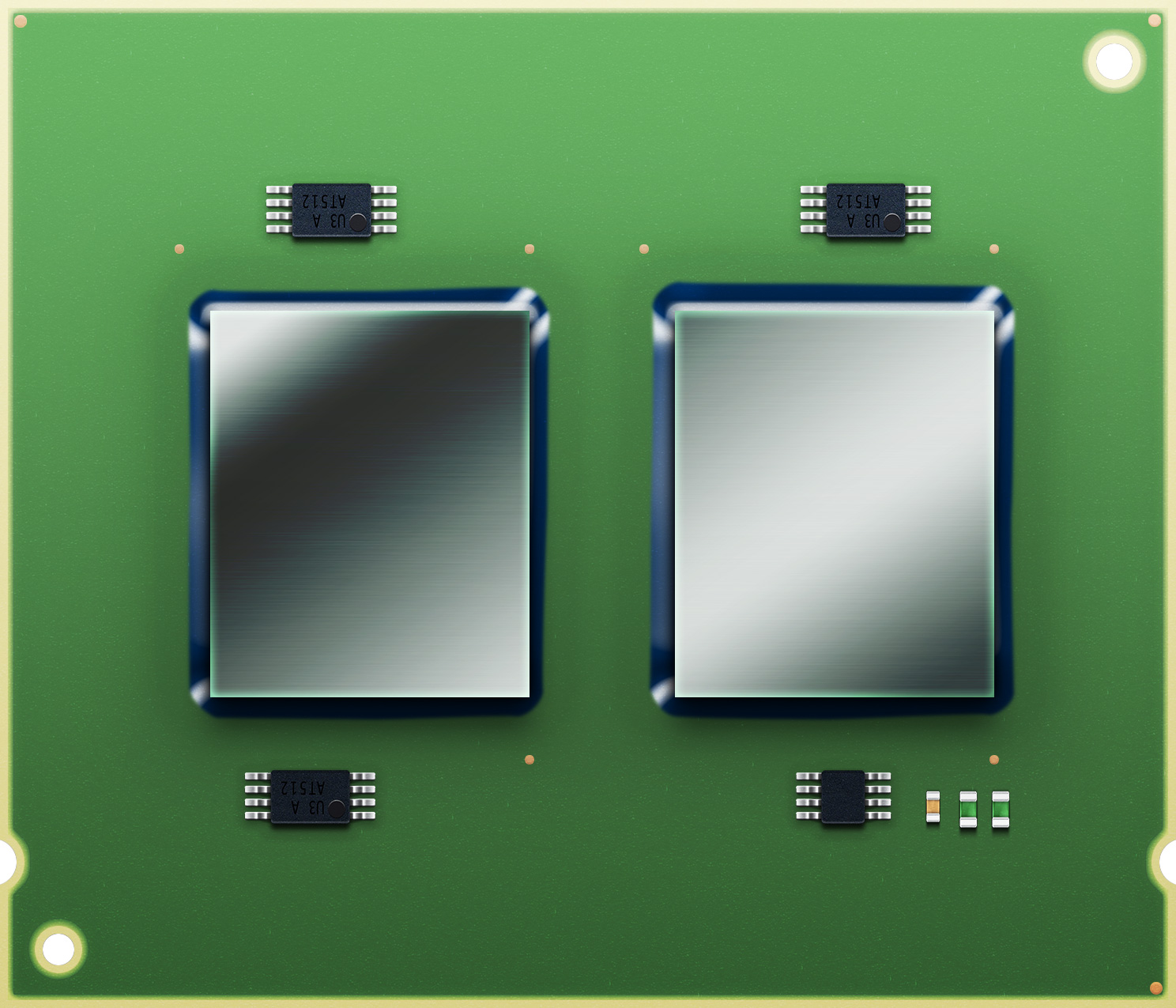
IBM announced this week that it has cracked the code on chips smaller than a nanometre — a breakthrough so infinitesimal that it makes previous computer advances look like they were designed by someone using oven mitts.
The company is calling this new architecture a “block of flats” design, which is either a genuine engineering term or the most on-the-nose metaphor for the housing crisis ever accidentally created by a semiconductor giant. Either way, it is working.
Here is the beautiful absurdity: while the rest of us are locked out of the housing market because a studio apartment costs the GDP of a small nation, IBM has figured out how to build actual residential structures at the atomic level. Sure, you cannot live in them. But your money can.
The catch, naturally, is that these chips will not be in your phone or laptop for years. IBM is being refreshingly honest about this — they have solved an engineering problem that nobody knew how to solve, then immediately admitted they have no idea how to make it at scale. It is like inventing a car that runs on wishes and then saying, “We will figure out the factory thing eventually.”
The real takeaway: computing power keeps getting exponentially smaller and more powerful while housing keeps getting smaller and more expensive. One of these trends is solving actual problems. The other is IBM making sure your data centre can fit in a shoebox while you yourself cannot afford one.
At least the chip will be affordable.