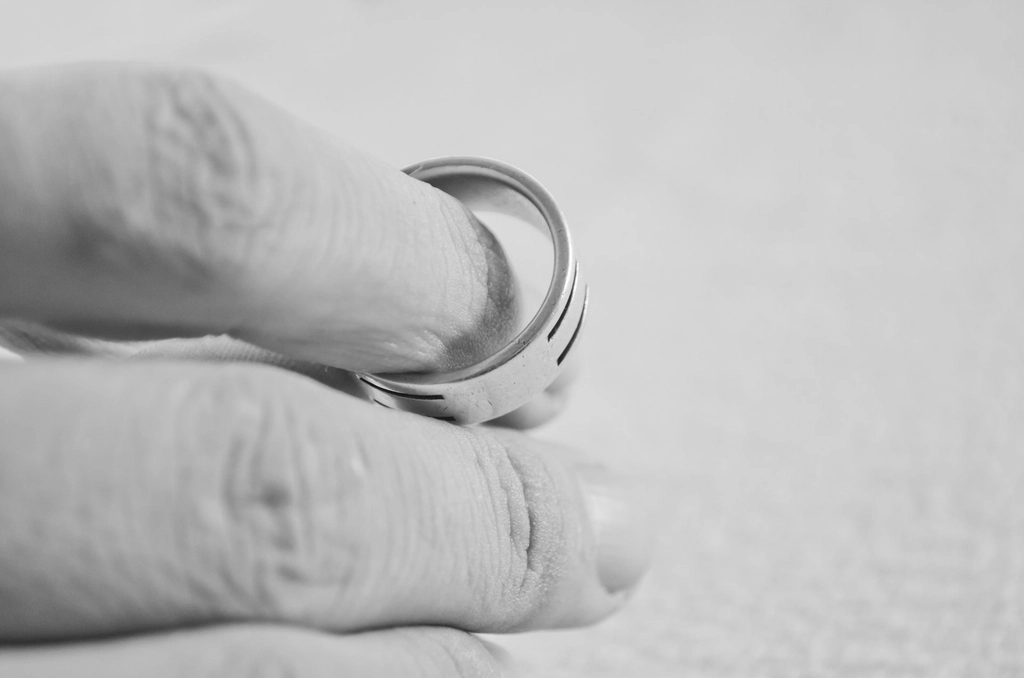
The engagement ring has a new competitor: the divorce ring, worn by women worldwide who have decided that if they are going to spend money on a piece of jewelry to commemorate a major life event, it might as well be one they actually chose themselves.
The logic is flawless. A woman receives a diamond that symbolizes someone else’s promise. That promise breaks. She is left holding an expensive reminder of a failed contract. The solution: buy a new ring that symbolizes her own autonomy, wear it on the middle finger as a small, glittering middle finger to the entire institution of matrimonial jewelry.
Some repurpose their old engagement rings — melting them down, resetting the stone, transforming the symbol of “I promise to stay” into “I stayed long enough to learn what I want.” Others start fresh, treating themselves to the ring they would have chosen if someone had not already made that choice for them at 24 in a restaurant they did not pick.
The absurdity is not lost on anyone. We have created an entire secondary market for jewelry that marks the dissolution of the commitment that the first jewelry was supposed to cement. It is capitalism eating its own tail while wearing it as a statement piece.
But here is what actually matters: women are taking control of the narrative. The divorce ring does not pretend to be about love or commitment. It is about reclamation. And in a world where we still treat engagement rings like they are somehow more meaningful than the person wearing them, that defiance deserves to be gilded.