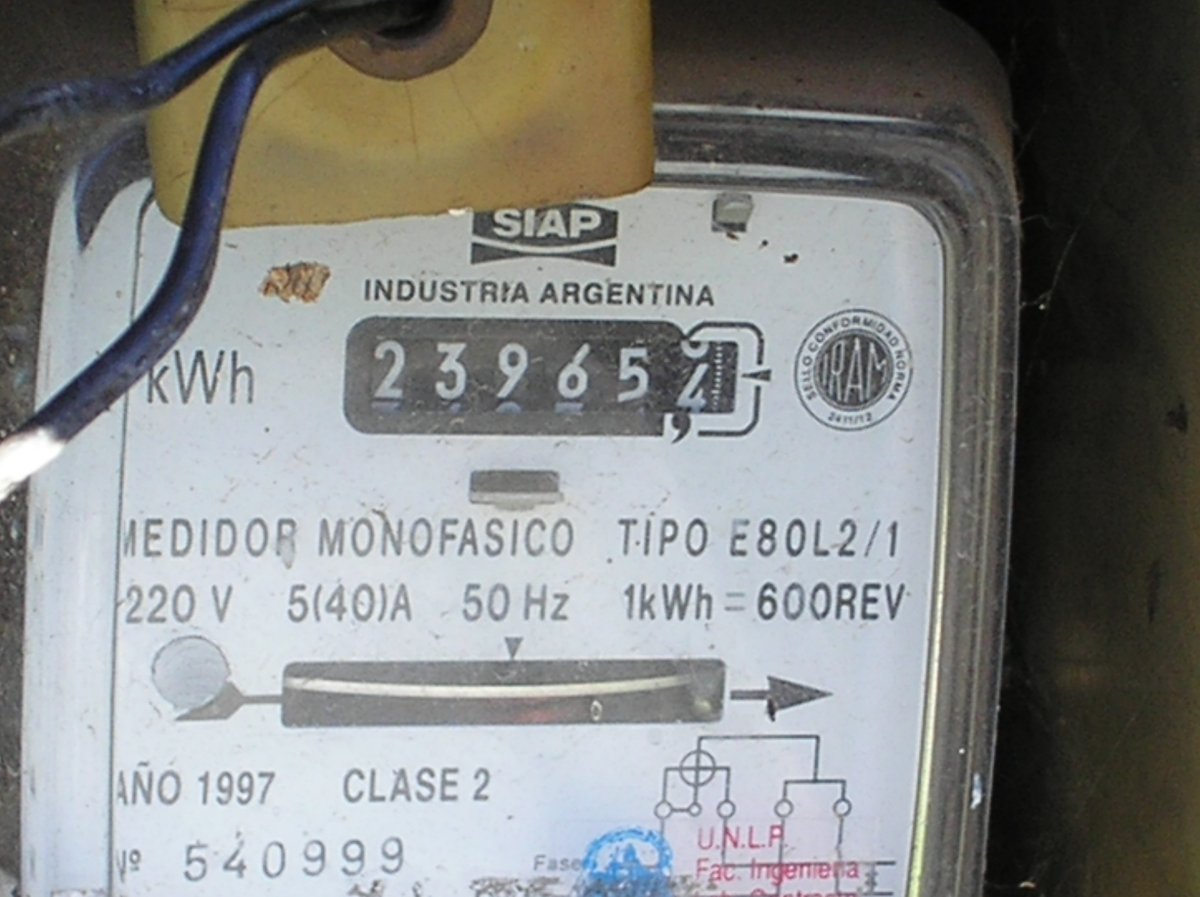
Energy prices just jumped 13% per year under Ofgem’s latest price cap, which means your utility bill has quietly evolved into a second mortgage. But regulators have discovered the one weird trick that financial advisors hate: actually looking at your energy meter.
Yes, that small box on your wall that you have successfully ignored since the day you moved in is apparently the skeleton key to household financial literacy. Forget spreadsheets, investment portfolios, or understanding what a basis point is. The real path to economic enlightenment is squinting at a dial and writing down six numbers.
The logic is sound, if you squint hard enough. If you read your meter regularly instead of waiting for estimated bills, you catch overcharges before they metastasize into your quarterly statement. You see exactly how much your shower costs (spoiler: more than you think). You might even develop a sixth sense for which appliances are quietly draining your bank account like tiny financial vampires.
So there you have it. While inflation eats your purchasing power and energy companies sharpen their pencils, your salvation lies not in policy reform or market competition, but in becoming intimately acquainted with a Victorian-era measuring device. The 2026 wealth gap is not about wages or asset ownership—it is about who bothers to read their meter.
Consider yourself warned: financial success now requires the mystical powers of basic arithmetic and the willingness to crouch beside your boiler once a month.