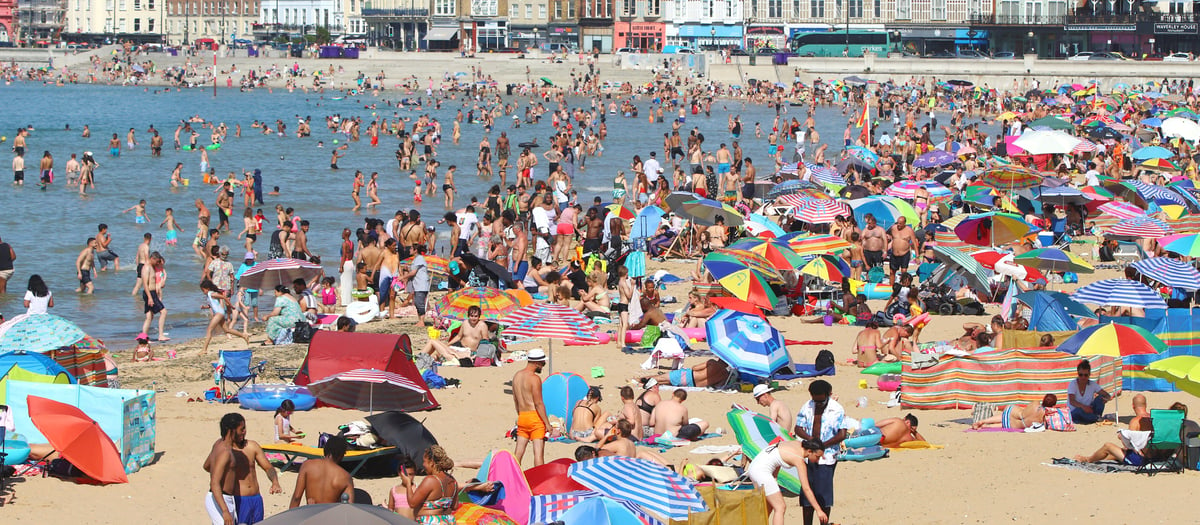
We are now living in a world where weather patterns are treated like earnings reports and parental decisions carry the same weight as quarterly rebalancing strategies. As temperatures spike, millions of parents face a question that would have seemed insane five years ago: should I pull my kid from school the way I would dump a volatile tech stock before a market correction?
The answer, legally speaking, is yes—you have rights during extreme heat. But the way we discuss those rights has become absurdly financialized. Parents are now “timing the market” on school attendance, employers are calculating “workforce volatility during thermal events,” and nobody seems to notice that we are applying sophisticated investment logic to the simple fact that humans overheat.
Here is the thing nobody says out loud: your child does not care about your risk-adjusted heat exposure strategy. They need water, shade, and not to sit in a 95-degree classroom. Your employer does not actually need a heat-triggered workforce participation model—they need you to show up or not, and extreme weather is a legitimate reason to stay home. These are not tactical decisions. They are basic human survival decisions.
The absurdity deepens when you realize we are now treating school closures and work-from-home days like they are market inefficiencies waiting to be exploited. They are not. A heatwave is not a buying opportunity or a strategic absence window. It is a heatwave.
So yes, keep your kids home if it is dangerous. Yes, work from home if the heat is brutal. But stop pretending this requires the analytical framework of a hedge fund manager. Sometimes the simplest explanation—it is too hot—is the right one.