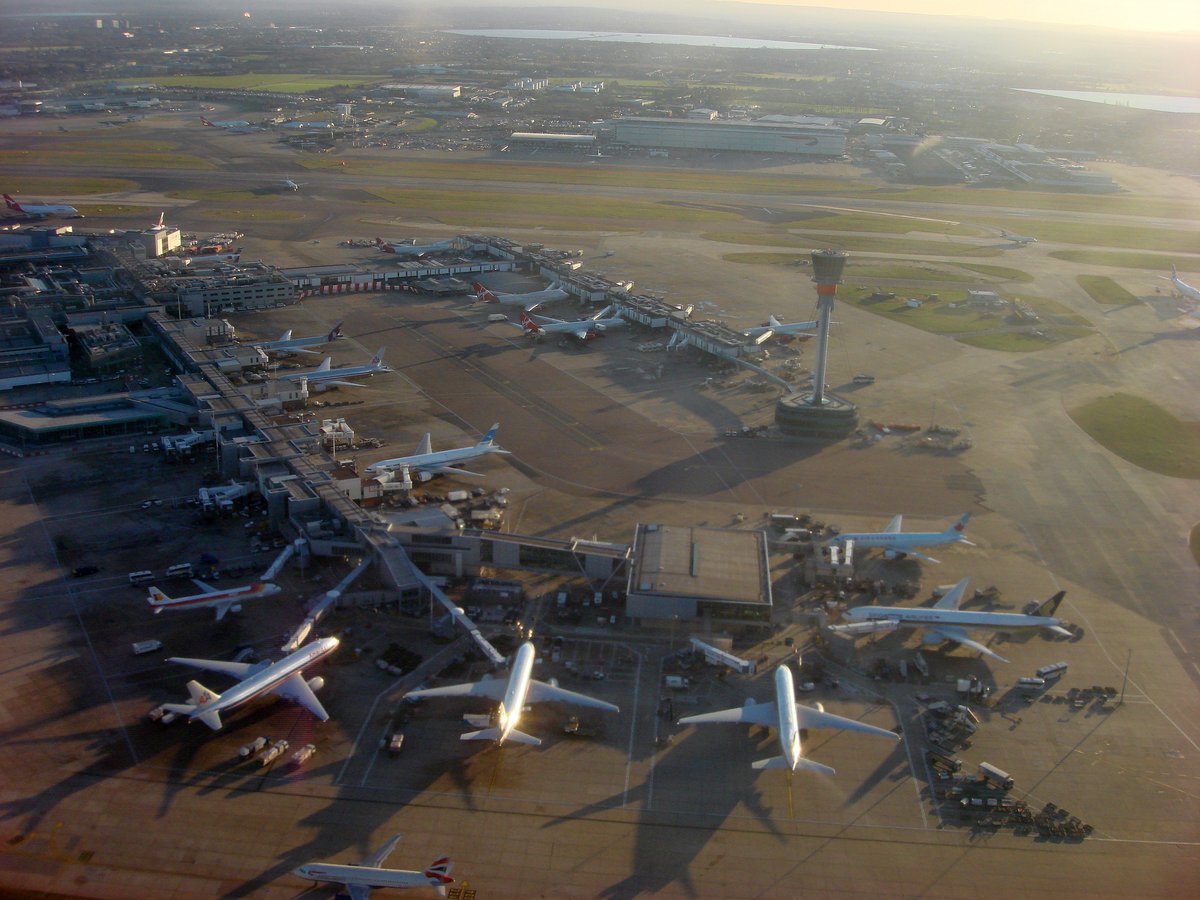
In a stunning vindication of market forces, Heathrow Airport has secured regulatory approval to charge airlines an additional 15 pence per passenger to recoup costs from its runway expansion project. This is, apparently, a breakthrough moment for affordable travel.
Let us pause and appreciate what has happened here. A major infrastructure project that cost billions of pounds will be recovered through a charge so small that most people will not notice it existed until they read this sentence. The airport’s runway will be paid for by passengers adding roughly the cost of a single sweet to their ticket price, spread across millions of journeys over many years.
This is the free market working exactly as intended: a massive capital investment, recovered in increments so tiny they barely register as real. Airlines will pass the cost to you, naturally. Your £120 flight to Barcelona becomes £120.15. You will not see it. You will not care. And yet, somewhere in a spreadsheet, Heathrow’s balance sheet improves by several hundred million pounds.
The real comedy is the framing. This is not a price rise in any meaningful sense—it is a rounding error pretending to be economics. Yet it represents the only mechanism we have found to fund infrastructure that everyone needs but nobody wants to pay for upfront. We have collectively decided that major airports should be built by private entities and funded by passengers in 15-pence increments, rather than, say, through taxation or public investment.
So yes, capitalism works. It just works so quietly that you need a news article to tell you it happened at all.