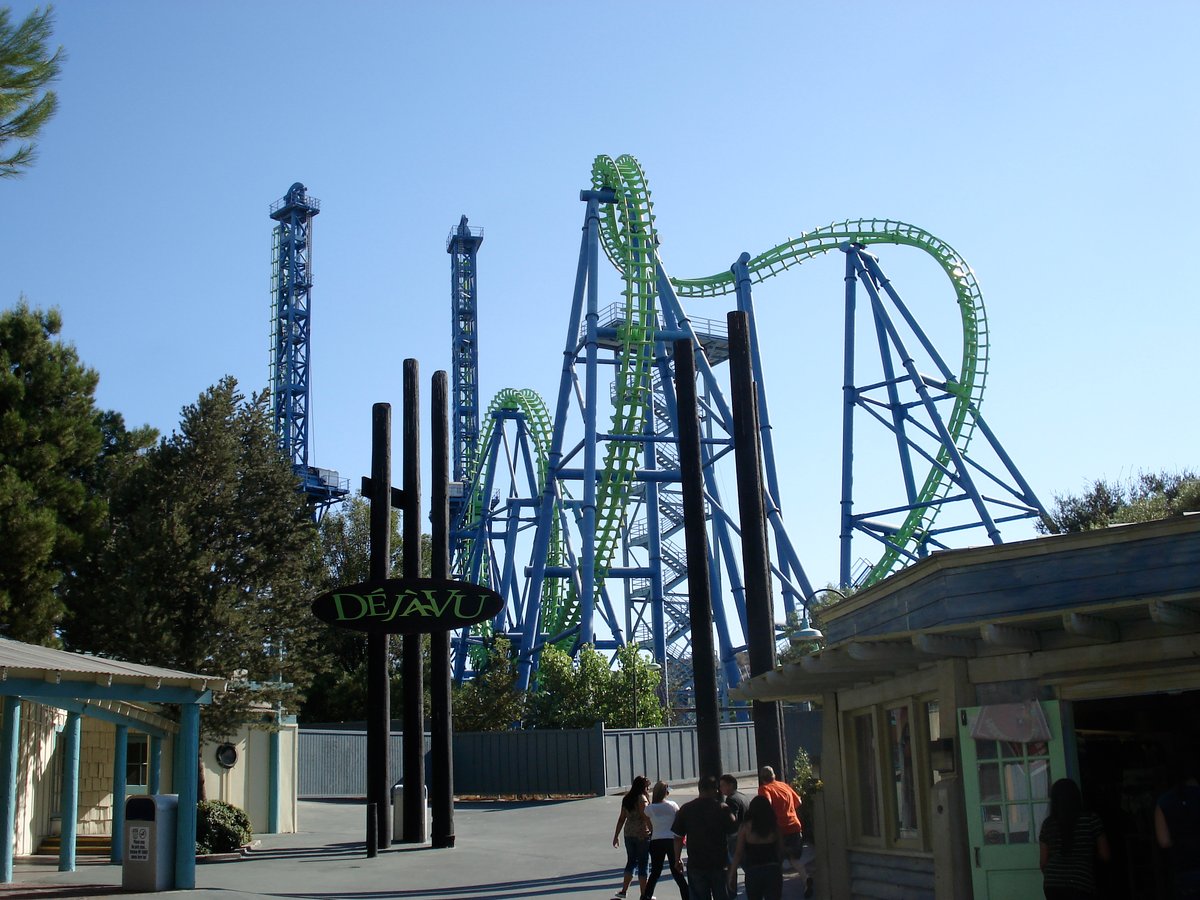
In a stunning display of economic policy innovation, lawmakers have discovered the missing piece to national prosperity: relaxing wedding venue regulations. Couples can now marry almost anywhere—roller coasters, parking garages, active construction sites—and economists are calling it the stimulus package we never knew we needed.
The logic is airtight. When people cannot afford housing or healthcare, the obvious solution is to let them spend $35,000 on a ceremony at a theme park. Government officials are already projecting that couples will channel their stimulus checks directly into increasingly elaborate and location-independent celebrations, thereby solving inflation through sheer force of wedding debt.
The policy assumes that loosening venue restrictions will unlock some dormant economic multiplier effect. Every couple getting married on a functioning log ride represents money flowing to florists, caterers, and the operators of said rides. Never mind that the same couples might have spent that money on, say, anything else. The government has determined that weddings specifically—and the venues they happen in—are the missing variable in macroeconomic recovery.
What makes this genuinely brilliant is the implicit belief that people were holding back on getting married because the Ferris wheel was off-limits. Not because of student debt, housing costs, or childcare expenses. The barrier was regulatory. Remove the venue restriction and watch the economy roar.
To be clear: this is not actually how economic stimulus works. But it is exactly how governments sound when they mistake regulatory theater for policy.