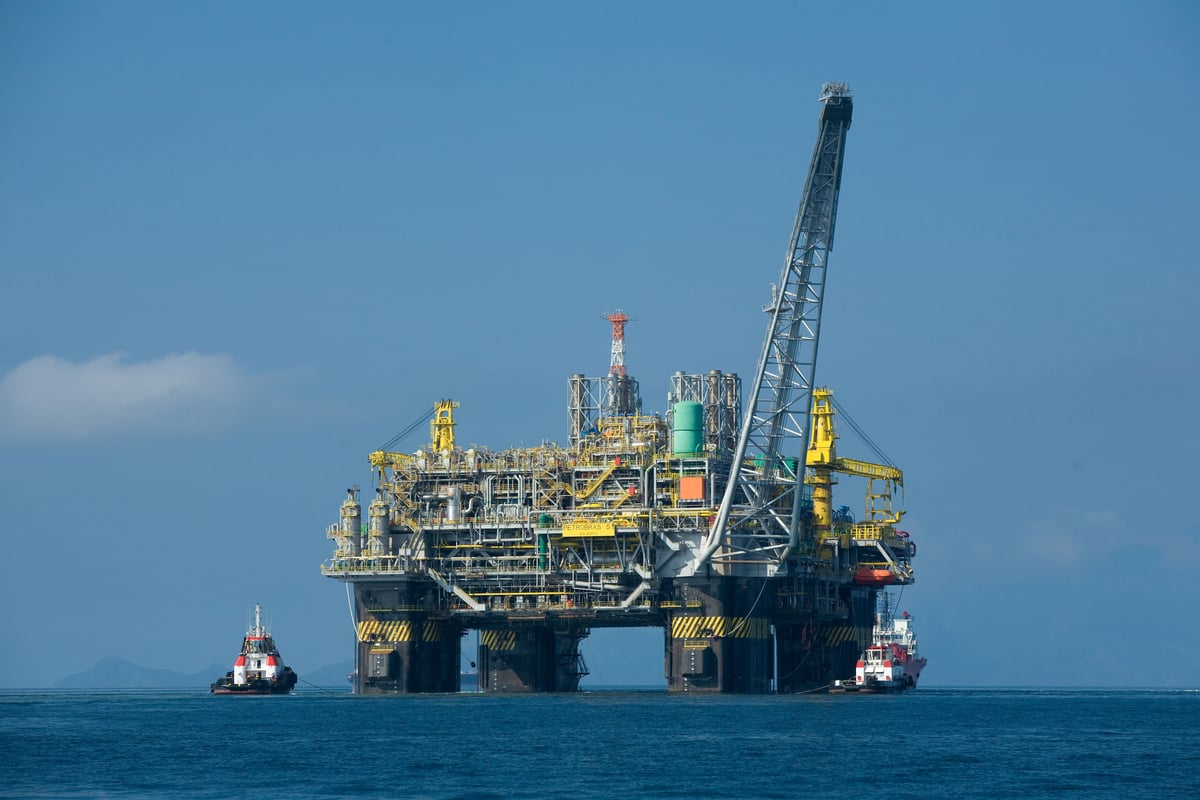
Oil just hit $100 a barrel for the first time since July, and the global energy market has collectively remembered that geopolitics is still a thing. Brent crude spiked after the US struck Iranian tankers this week, which is the kind of thing that tends to make energy traders very nervous and very profitable simultaneously.
UK petrol prices jumped 5p per litre in a single week—the biggest spike since April—bringing unleaded to 167.17p. That is the kind of number that makes people suddenly interested in whether their car actually needs that trip to the shops. Diesel hit an all-time high, which matters because every lorry, train, and delivery system in the country runs on the stuff. Flights are getting more expensive too, which prompted Richard Branson to blame “foolish leaders” for starting wars. He is not wrong, though blaming geopolitics for fuel costs while running an airline is a bit like blaming rain while selling umbrellas.
The irony is almost too perfect: governments and corporations spent the last five years releasing glossy sustainability reports and hosting renewable energy conferences. Solar panels and wind turbines made excellent PowerPoint slides. Then the Middle East got tense, shipping lanes got nervous, and suddenly we all remembered that the global economy still runs on oil pumped from the ground by people in countries that do not always get along.
So what does this mean for you? If you drive or fly, your costs are going up now—not in 2030 when the renewable transition was supposed to be complete. If you have a pension or savings, your transport and logistics stocks are getting volatile. And if you were waiting for energy prices to stay low while we slowly switched fuels, that plan just got interrupted by reality.