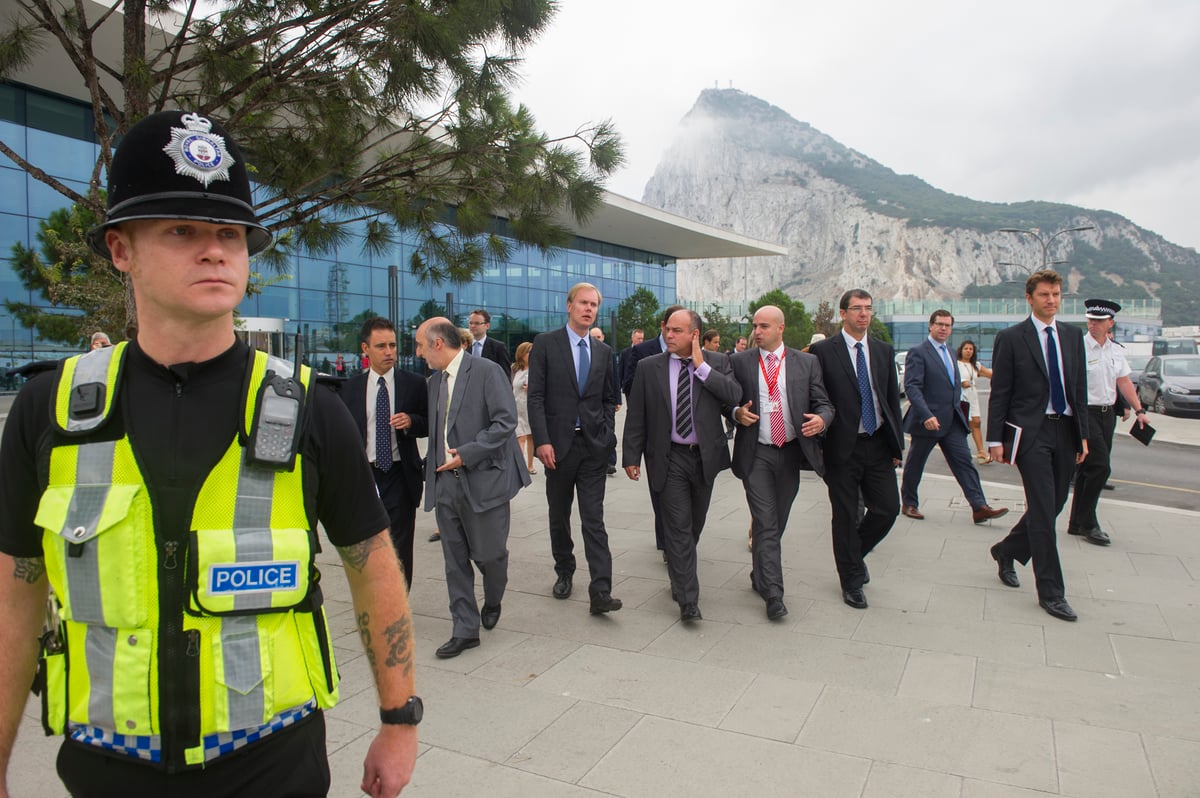
After 118 years of border controls, Gibraltar and Spain have finally decided that what the world needed was easier access to a rock with a tax haven attached and some very good tapas. Officials are calling it an economic boost. Bartenders are calling it Christmas in July, forever.
The removal of border friction between the UK territory and Spain sounds like progress on paper—free movement, integrated supply chains, reduced bureaucracy, all the things economists write white papers about while wearing expensive glasses. But let’s be honest about what actually happens when you remove a checkpoint from between two places with dramatically different drinking cultures: you create a 24-hour aperitif corridor.
Spanish tourists will flood Gibraltar to experience British pubs where a pint costs what a full meal costs in Barcelona. British expats and day-trippers will discover Spanish bars where you get free olives and still pay less than you would for a beer back home. The net result is the world’s longest, most inefficient happy hour, with duty-free shopping and geopolitical reconciliation thrown in as side effects nobody actually planned for.
Local establishments have already begun calculating how many extra kegs they can import before the logistics system melts. The economic boost officials promised is real—it just happens to be concentrated entirely in the drinks industry. Hotels, restaurants, and transport will benefit too, sure. But the true winners are anyone pouring alcohol within a five-kilometer radius of the border.
Economists will cite GDP figures and job creation. What they will not mention is that they have essentially created a theme park called “Cross-Border Intoxication” and handed the keys to two countries that have been waiting 118 years to finally get a drink together.