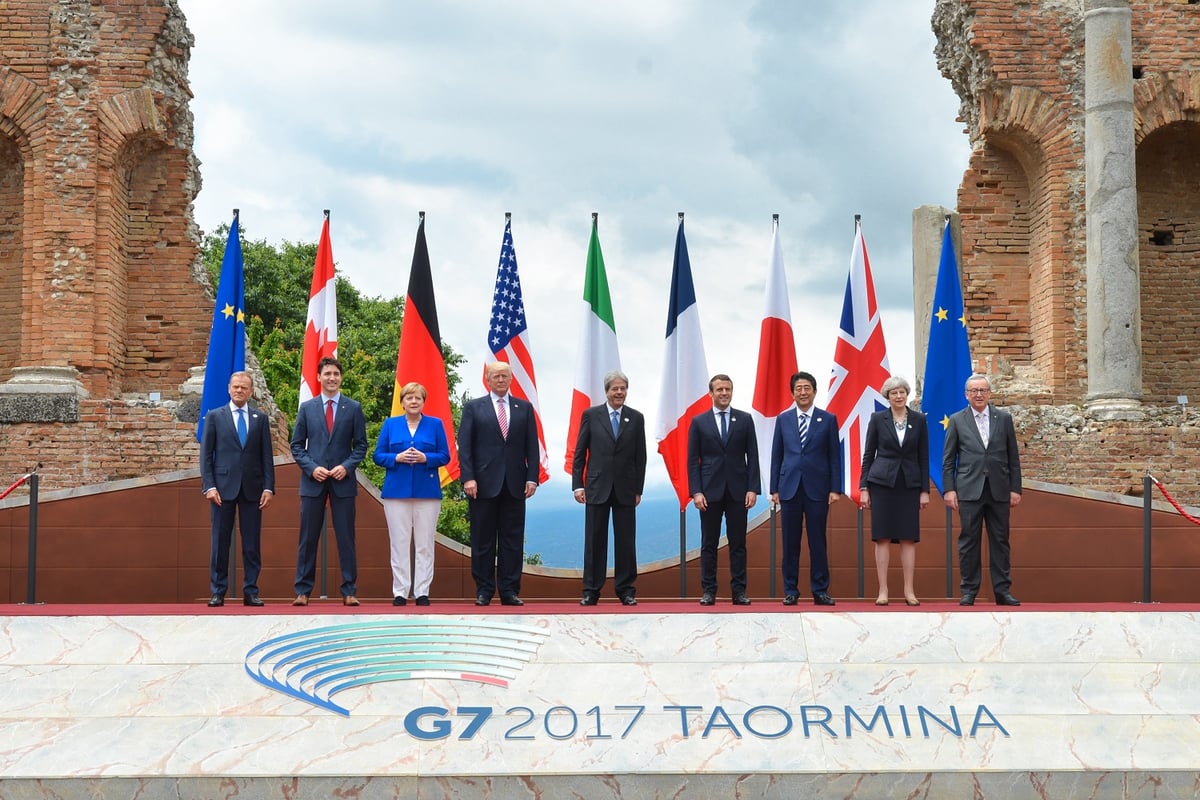
The world’s seven largest economies have collectively decided that the best use of their time is to treat geopolitics like negotiating with a toddler who will not eat his vegetables. On Tuesday, the G7 announced a coordinated release of 100 million barrels of oil and diesel—a move so transparently designed to prevent Donald Trump from banning US diesel exports that even the oil markets could not help but yawn.
The mechanism is simple enough: flood the market with cheap crude, watch prices drop, hope Trump notices and forgets whatever he was angry about this week. It is the economic equivalent of throwing a toy at a screaming child and hoping he will stop before he knocks over the lamp.
What makes this genuinely wild is that it actually worked, sort of. Oil prices dipped. Markets responded with the enthusiasm of a teenager told he has to go to brunch with his parents’ friends—technically compliant, emotionally absent. Traders shrugged. The dollar barely moved. Even the usually excitable energy sector treated the news like a minor earnings miss.
Here is what actually matters: the G7 just signaled that one person’s trade threats are now a legitimate tool for moving global commodity markets. That is not a market correction. That is a precedent. If Trump can get 100 million barrels dumped into circulation by simply threatening to ban something, every other world leader is now mentally calculating what they can hold hostage to get their own market interventions.
For you: energy stocks are now hostage to political whims instead of fundamentals. If you own oil or energy ETFs, expect more of this—sudden coordinated dumps followed by sudden shortages, all timed to whoever is mad at whom on any given Tuesday. Boring, predictable markets are dead. Buckle up.