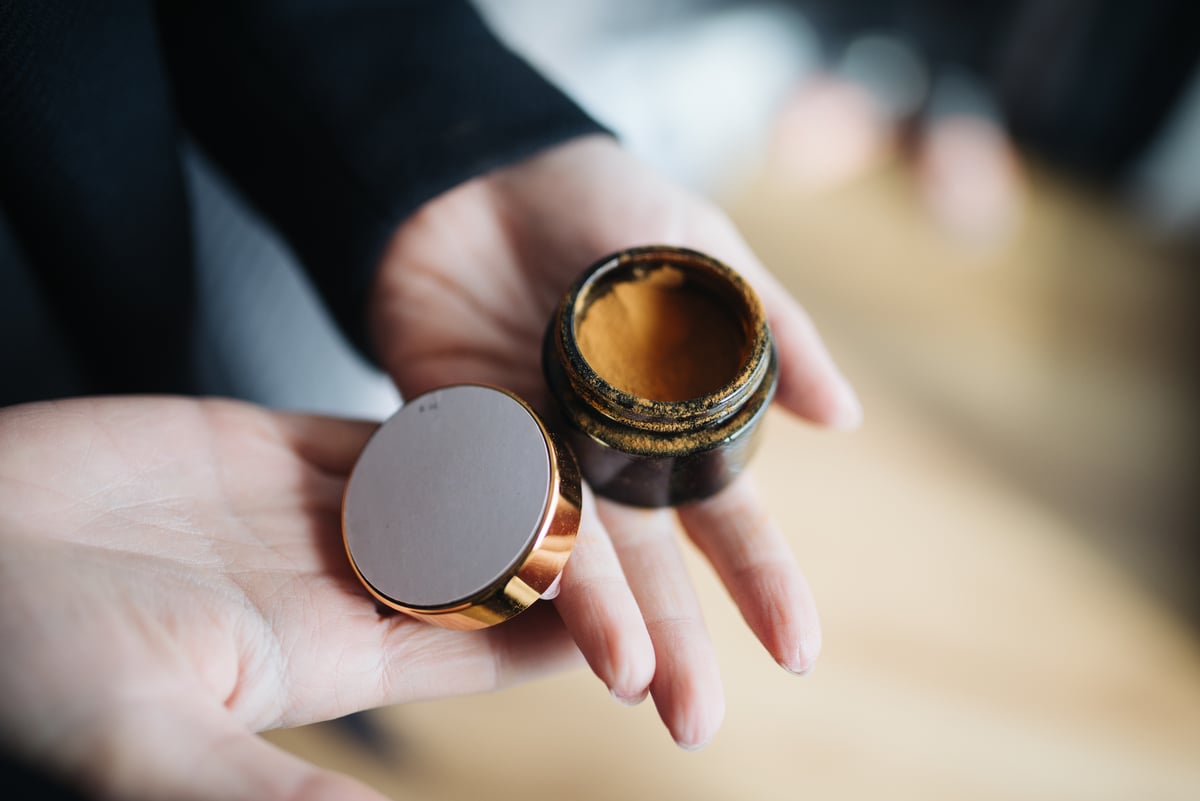
A ten-year-old in suburban Portland now has a skincare routine more elaborate than a hedge fund manager’s tax strategy. Cleanser, toner, essence, serum, moisturizer, SPF, night cream, and at least two specialty treatments for whatever TikTok convinced her was wrong with her face this week. The children’s skincare market is booming, and we have finally achieved peak absurdity: parents are now financing dermatological portfolios for kids who still lose their retainers.
Social media has turned skincare into an identity crisis accelerant. A generation of girls is being taught that their skin at twelve is already behind, that their T-zone is a problem requiring intervention, that glowing skin is not a biological outcome of being young but a financial commitment. Brands have noticed. They have flooded the market with kid-sized versions of adult products, each promising to prevent the aging that literally cannot happen yet.
The real trick is the language. These are not marketed as vanity products—they are wellness, self-care, investment in your future. Which is how a bottle of moisturizer for a sixth-grader becomes a non-negotiable expense in the family budget, right up there with actual necessities.
Here is what matters: this is not about whether skincare works. It is about the economic logic being sold to children—that their bodies are problems to be managed, that prevention requires consumption, that their worth is tied to a routine they must maintain. That is the real bubble, and unlike the skincare market, it will not pop when the next trend arrives.