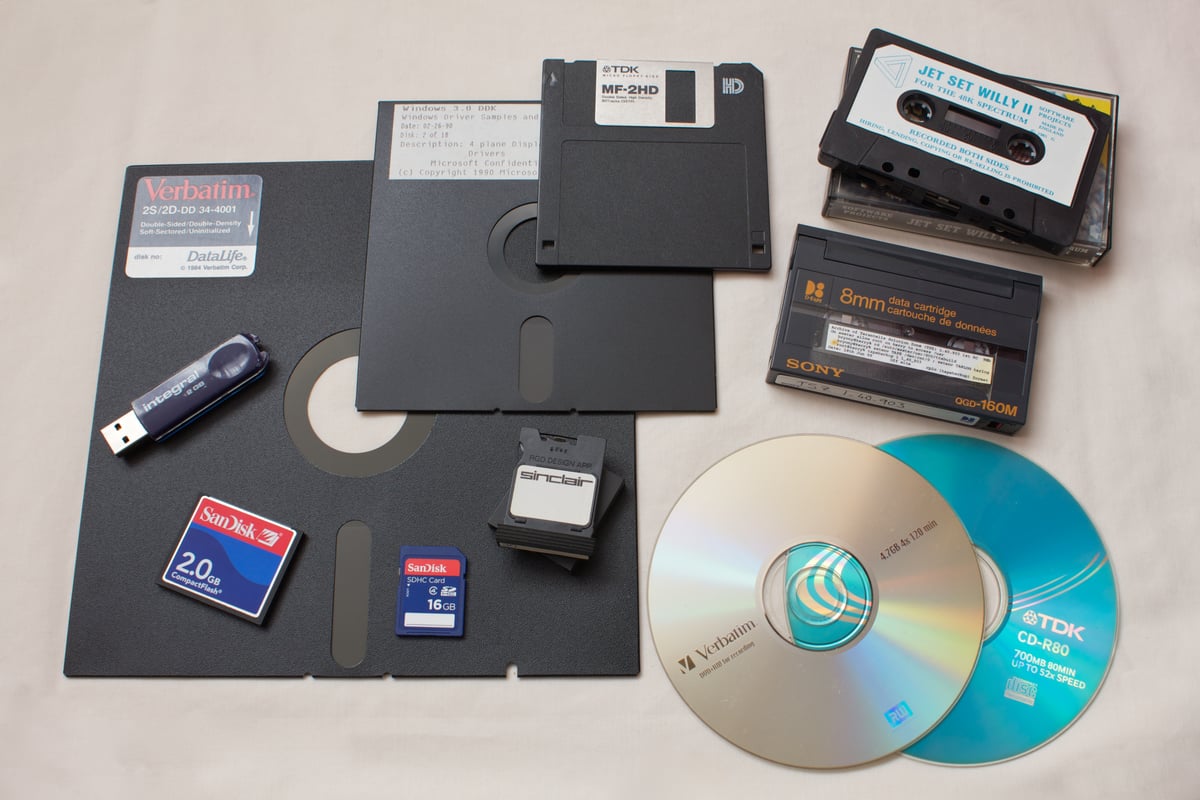
In a stunning display of strategic foresight, major corporations have discovered the secret to preparing workers for 2026: teach them skills that peaked in 2003.
Companies across finance, manufacturing, and tech are now doubling down on hybrid training programs that pair cutting-edge AI tools with, inexplicably, handwriting exercises and mechanical problem-solving. One Fortune 500 firm recently invested $2 million in a program teaching junior developers to “think like a systems administrator from 1998” before letting them near a codebase. Another has trainees spend Wednesdays learning spreadsheet fundamentals—not advanced modeling, just the fundamentals—while their peers use machine learning to automate those exact tasks.
The logic is almost charming: if we teach people both the old and new ways, they will understand the full picture. Except the full picture now includes a technology stack that changes every 18 months and a labor market that does not particularly care whether you can tie a Windsor knot or debug in your sleep. You either need one or the other, usually the latter.
HR departments frame this as “timeless craftsmanship meets modern tools”—the kind of phrase that sounds profound in a training video but means nothing when your hire cannot actually ship code. The real problem is simpler: firms are hedging their bets because they do not know what skills will matter in three years, so they teach everything and hope something sticks.
Meanwhile, the market has already moved on. By the time your trainee finishes mastering legacy systems and learns to appreciate the elegance of manual processes, the job they were trained for has been automated or outsourced. The dark ages called. They want their training syllabus back.