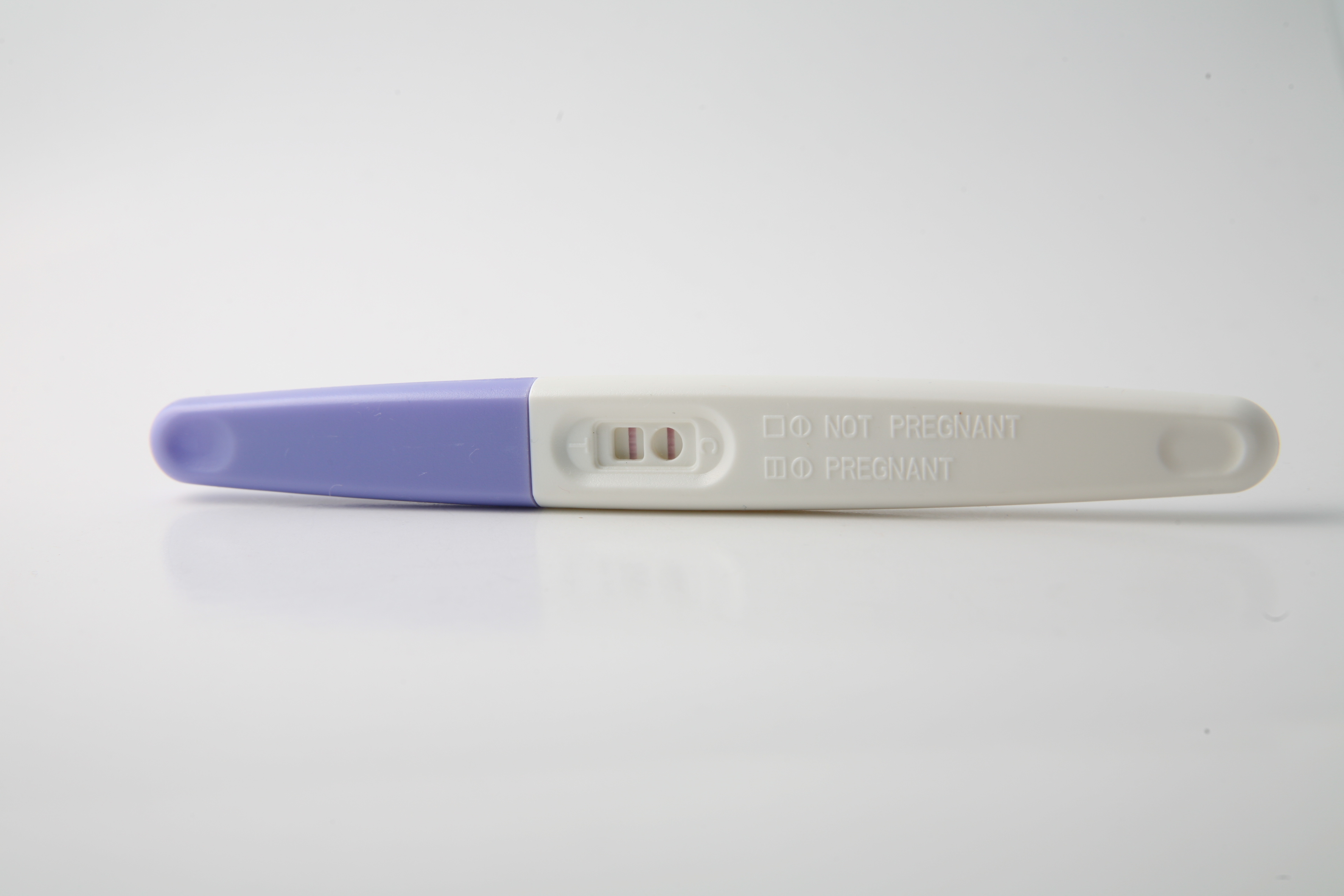
Your wrist has become a more reliable pregnancy detector than a pharmacy shelf. Hundreds of women are discovering they are expecting not through a doctor, a missed period, or even their own bodies — but through a notification from a device designed to count steps and shame them about their resting heart rate.
This is where we are. A silicon bracelet, the same gadget that previously only knew whether you climbed stairs fast enough to feel virtuous, now has opinions about your reproductive status. It watches your heart rate patterns, sleep disruption, and daily activity fluctuations, cross-references them against some algorithm trained on millions of other women’s data, and decides: you are pregnant. Congratulations. Your wearable has spoken.
The absurdity runs deeper than it seems. We have outsourced so much of our self-knowledge to devices that we no longer trust our own bodies to announce major life events. A woman notices her tracker flagged unusual patterns before she noticed anything herself. Instead of thinking “my body is telling me something,” the reflex is “let me check what my device thinks about this.”
The technology itself is not unreasonable — heart rate variability and activity changes are real physiological signals. But somewhere between genuine innovation and our hunger to quantify everything, we have created a world where a piece of consumer electronics gets to break the news about motherhood before you do.
Your fitness tracker was always watching. Now it is also matchmaking. How thoughtful.