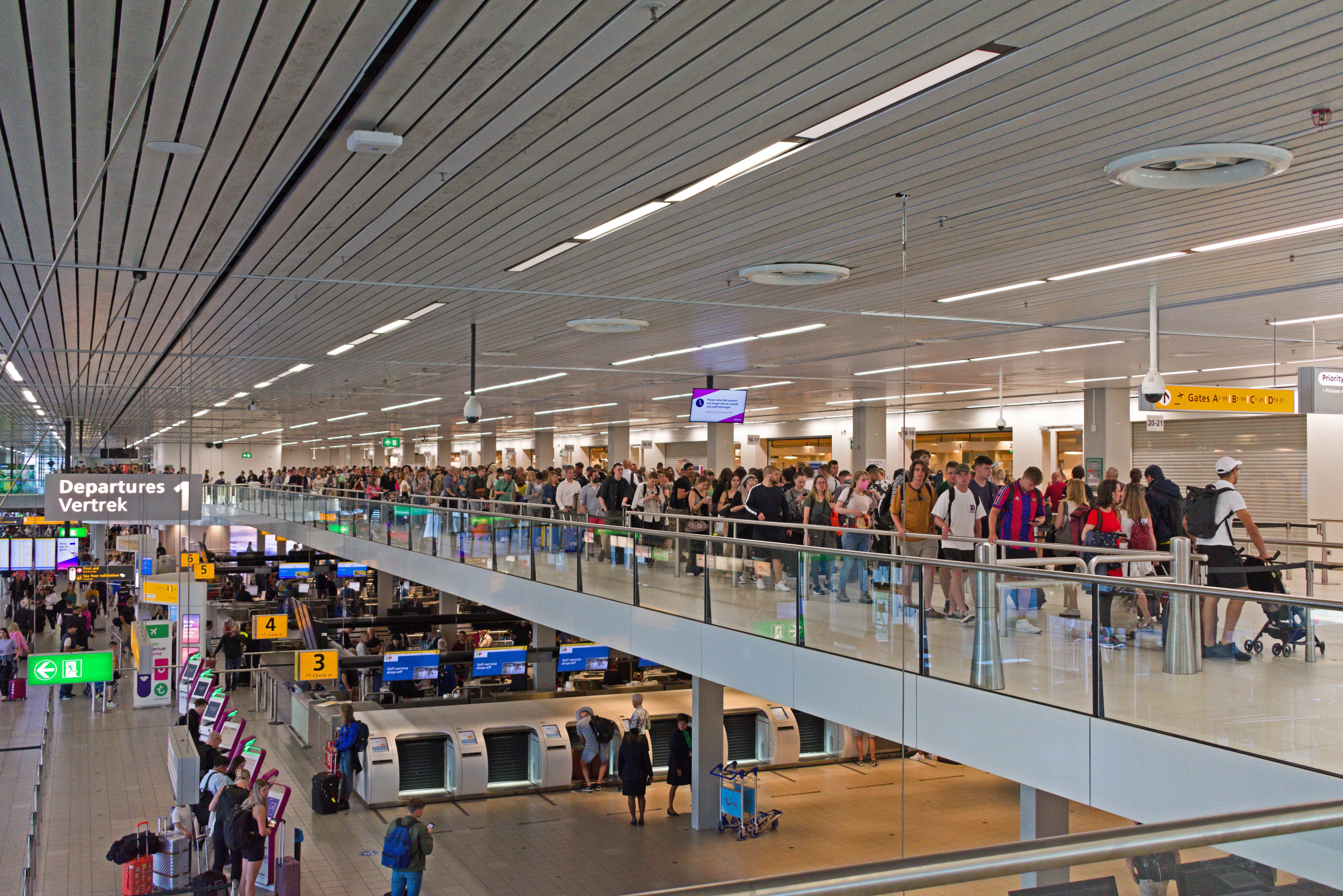
The EU’s shiny new digital border control system is about to turn airport terminals into a masterclass in creative problem-solving. Queues are expected to stretch longer than a European summer this year, and where there are queues, there are opportunities for the entrepreneurial traveler.
The system itself is not broken—it is working exactly as designed, which is precisely the problem. It processes people at the speed of bureaucracy, which is to say: glacially. But here is where it gets interesting. The three legitimate ways to avoid delays—pre-registration, using e-gates if you qualify, or arriving absurdly early—are so boring that they have spawned an entire shadow ecosystem of “travel hacks” that exist in that gray zone between clever and problematic.
Consultants are already selling premium guides on how to game the system. Travel agents are bundling “queue optimization packages.” People are comparing notes on Reddit about which airports have the most lenient enforcement, which queues move fastest, and whether the system actually checks if you registered three weeks ago or three minutes ago. It is not quite fraud—no one is forging documents—but it is not exactly the intended use either.
The real absurdity is that the EU spent millions building a system to make border control faster and more secure, and travelers are now spending time and money finding ways around it. The system works. People just do not want to wait. So they are inventing a market for impatience, one queue-skip at a time.
The lesson: when bureaucracy meets summer travel, someone will monetize the gap. The EU did not invent this problem. They just gave it infrastructure.