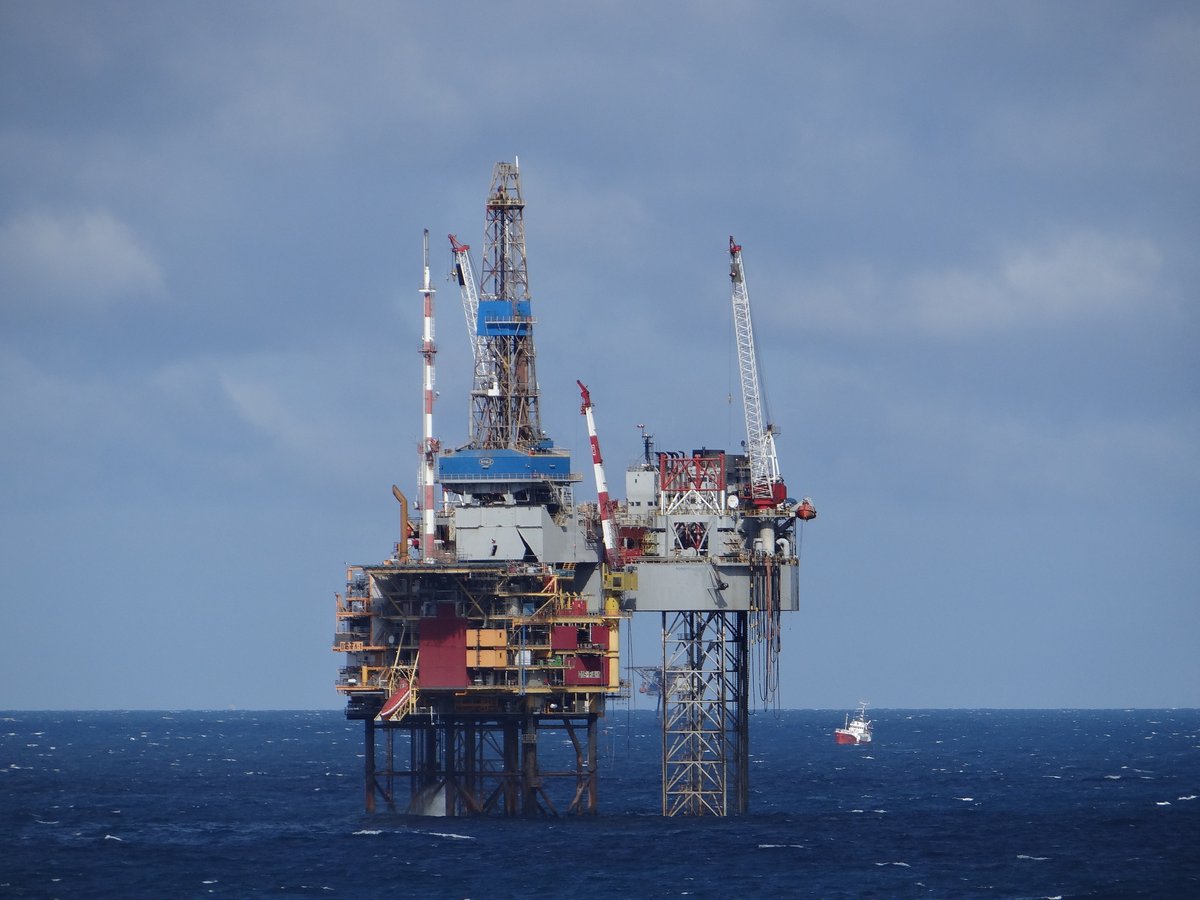
Norway’s Equinor has issued what amounts to an energy sector ultimatum: greenlight the Rosebank and Jackdaw oil fields, or watch us pack up our drilling rigs and find a friendlier sandbox. The company claims the UK risks becoming “uninvestable” without approval—a phrase that roughly translates to “we are not getting the outcome we want and we would like everyone to know we are very upset about it.”
Let’s be clear about what is actually happening here. Equinor is not threatening to leave because the UK is economically unstable or because regulatory frameworks have collapsed. The UK remains one of the world’s most stable investment destinations. What Equinor means is that it wants to extract oil on its preferred timeline under its preferred conditions, and when that does not happen immediately, the company is treating it like a game of Monopoly where someone else just landed on your property and declined to pay rent.
The North Sea is ageing. These fields are real assets with real value. But Equinor’s argument—that approving new oil infrastructure is somehow a prerequisite for the UK to remain “investable”—inverts the actual relationship. The UK has climate commitments. Equinor has shareholder returns. These are not the same thing, and pretending the country must choose between investment and environmental responsibility is precisely the kind of high-stakes bluffing that happens when an energy company does not like the answer it got.
If Equinor leaves, other operators will not. The North Sea will continue. The world will keep spinning. And the UK will have made a choice about what it actually values—which is, apparently, not being held hostage by a single company’s approval wishlist.