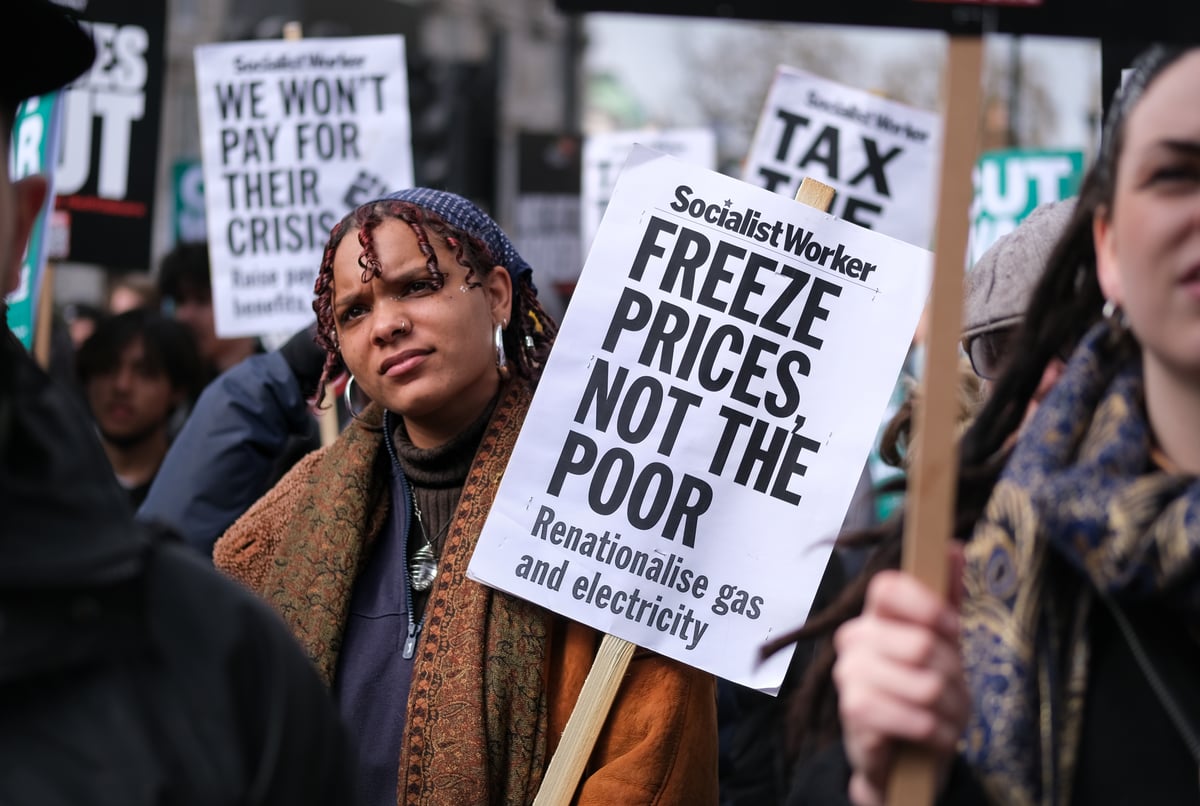
The regulator has announced that households across the country will pay an additional £221 per year for energy, a move that energy companies are framing not as price gouging but as a necessary investment in national security and shareholder dividends during what they’re calling ‘unprecedented geopolitical circumstances.’
When pressed for comment, one major energy supplier explained that the price rise reflects ‘the complex global market dynamics exacerbated by regional instability,’ which is corporate-speak for ‘we can charge more and blame Iran.’ The Iran-related supply disruptions that triggered this price cap adjustment have given the energy sector something it has long dreamed of: a legitimate-sounding excuse to raise prices while positioning themselves as reluctant patriots.
The beauty of this moment, from an energy company perspective, is that households cannot argue with geopolitics. You cannot tell your energy provider that you would prefer a cheaper bill because the Middle East situation is not your fault. The energy sector has essentially been handed a golden ticket—a real, genuine crisis that allows them to do what they have always wanted to do anyway: pass costs to consumers while maintaining the moral high ground.
‘We are not raising prices because we want to,’ the industry narrative goes. ‘We are raising prices because global energy markets are volatile, and we need to ensure security of supply.’ This is technically true in the way that saying ‘I am raising your rent because inflation exists’ is technically true. Yes, inflation exists. Yes, geopolitical events happen. But the speed and scale at which these costs are passed to households—and the reluctance to absorb any of them internally—suggests that ‘necessary adjustment’ and ‘convenient opportunity’ have become indistinguishable.
The real genius is that energy companies get to sound responsible while doing exactly what they would have done anyway. They speak of ‘ensuring grid stability’ and ‘maintaining investment in infrastructure,’ words that make price increases sound like acts of service rather than acts of commerce. A household paying £221 more per year is told they are not being gouged—they are being protected. They are funding resilience. They are supporting energy security. They are, in essence, paying premium prices for the privilege of not having their lights cut off during a war they had nothing to do with.
None of this is to say that energy prices are not genuinely affected by global events. They are. Disruptions to supply do push wholesale costs higher. But the question worth asking is: how much of this £221 represents genuine additional cost, and how much represents a margin expansion that would have been politically impossible to justify without a geopolitical smokescreen?
The answer, of course, is that no one outside the energy industry will ever know. The price cap mechanism is opaque enough that households have no way to verify whether they are paying for actual increased costs or paying for what amounts to a war tax that energy companies will happily collect for as long as the Iran situation remains tense. And if the situation resolves, prices will not fall—they will simply be justified by the next crisis, the next supply concern, the next reason why your bills must remain elevated.
What makes this moment particularly absurd is the framing of inevitability. Energy companies are not asking permission or apologizing. They are announcing. The price rise is presented as something that has already been decided by forces beyond anyone’s control—global markets, geopolitical events, the inexorable laws of supply and demand. Households are not being asked what they think. They are being informed of what they will pay.
The regulator, Ofgem, has signed off on this as reasonable under the circumstances. This is what regulation looks like when the regulated party has better access to information than the regulator does. Energy companies know their costs; Ofgem estimates them. Energy companies know their margins; Ofgem guesses. The price cap becomes less a mechanism to protect consumers and more a mechanism to legitimize whatever price the industry proposes, provided there is a plausible external explanation.
So households will pay their £221 more, and energy companies will continue to speak of difficult decisions and necessary adjustments. The Iran situation will persist or resolve, but either way, prices will remain elevated. And the energy sector will have successfully demonstrated that in a crisis—real or perceived—the cost of that crisis flows downward to the people least able to absorb it, while profits flow upward to the people most able to resist any suggestion that they should share the burden.
It is, in its way, a perfect system. The only thing missing is for energy companies to thank households for their patriotic sacrifice.