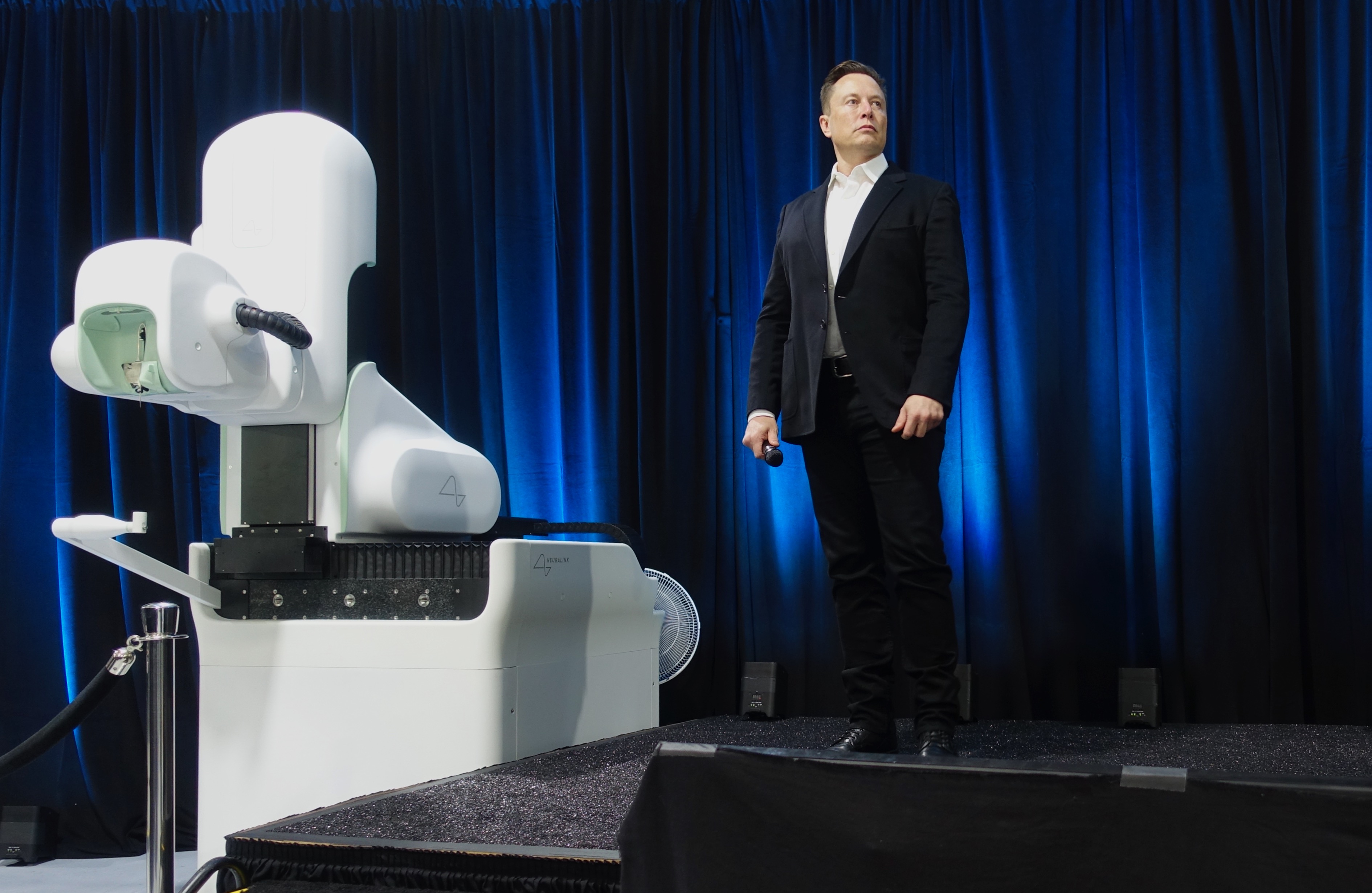
Elon Musk has officially crossed into trillionaire territory—that rarefied air where the number of zeros in your bank account starts to feel less like currency and more like a cosmic joke. His net worth now sits at $1.11 trillion, a figure so absurdly large that it has stopped meaning anything to the human brain. For context: that is roughly the GDP of Canada, except it belongs to one man who sometimes posts memes at 3 a.m.
The magic trick? SpaceX. The company just debuted on the Nasdaq with a valuation of $2.2 trillion, turning what was once a scrappy venture to make rockets land themselves into a financial instrument so valuable that it has apparently broken capitalism’s internal consistency checker. Investors looked at a company that shoots metal tubes into space and decided it was worth more than most countries. The absurdity is not a bug—it is the entire feature.
What does this mean for you? Probably nothing good. While Musk’s wealth balloons to numbers that require a physicist to comprehend, your wages remain stubbornly earthbound. The gap between the richest human and everyone else has stopped being a gap and started being a chasm with its own gravity well. SpaceX’s astronomical valuation reflects not just the company’s potential but our collective fever dream that technology and stock markets can somehow defy the laws of economics the way Musk’s rockets defy gravity.
The real punchline: we have created a system where one person’s net worth can grow faster than entire economies, and we are all just supposed to accept this as normal market function. Capitalism has achieved escape velocity, and the rest of us are watching from the launchpad.