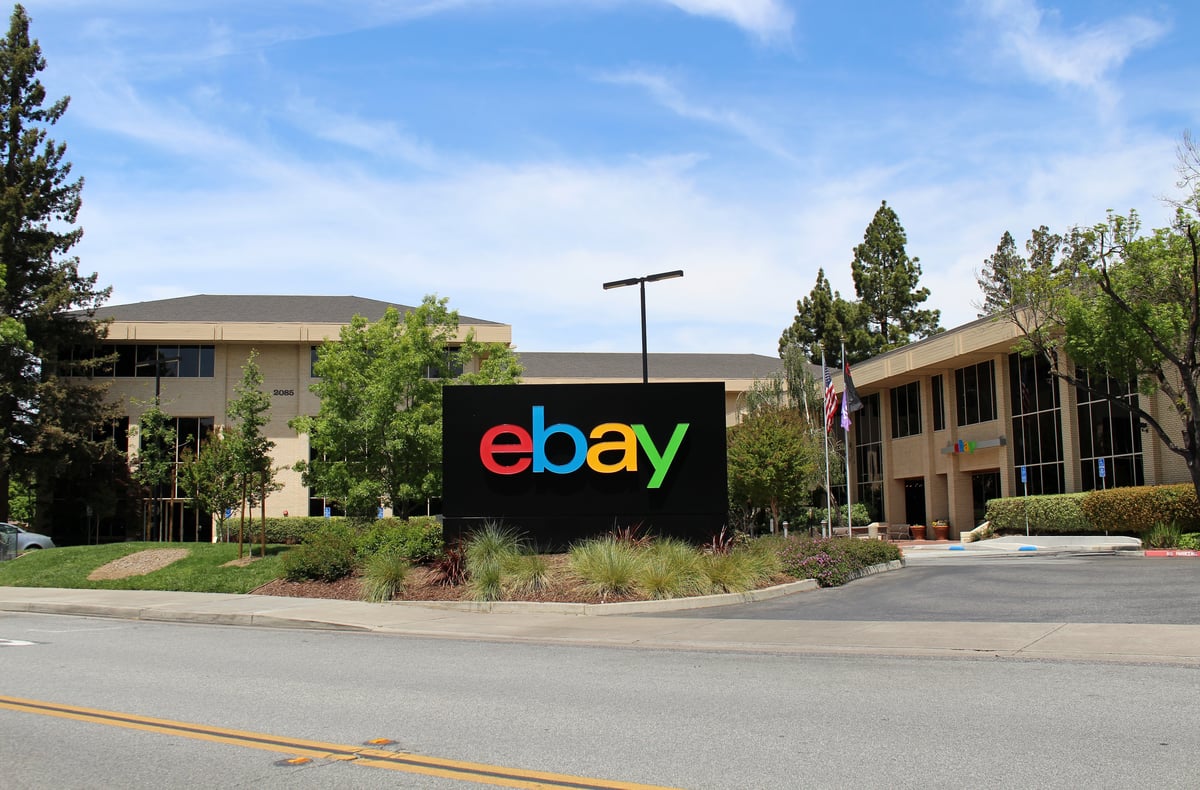
eBay has just cracked the code that Silicon Valley’s been chasing for years: how to monetize your own scandals. The company agreed to pay $56 million to settle a harassment case involving former executives who, according to court documents, conducted what can only be described as a masterclass in how not to handle a critical newsletter.
Here’s the genius part. A couple of bloggers published criticism of eBay’s business practices. Instead of ignoring them like a normal corporation, eBay’s leadership team decided to treat the situation like a competitive auction. The result: an “unprecedented” harassment campaign that included sending live spiders and a fetus in a box to the bloggers’ homes. Yes, that actually happened.
Now, most companies would bury this under a mountain of PR spin and hope nobody notices. Not eBay. They’ve effectively turned their executives’ criminal behavior into a line item on the balance sheet. Fifty-six million dollars. That’s not a fine—that’s a business model.
The real innovation here is the reputational arbitrage. eBay gets to claim they’ve “addressed” the problem while simultaneously proving that if you’re a massive platform with deep pockets, harassment is just another cost of doing business. It’s almost like they’ve created a futures market in corporate accountability: buy now, settle later, profit always.
Other tech companies are probably taking notes right now, running the math on how much harassment their own executives could generate before it becomes cheaper to just write a check.