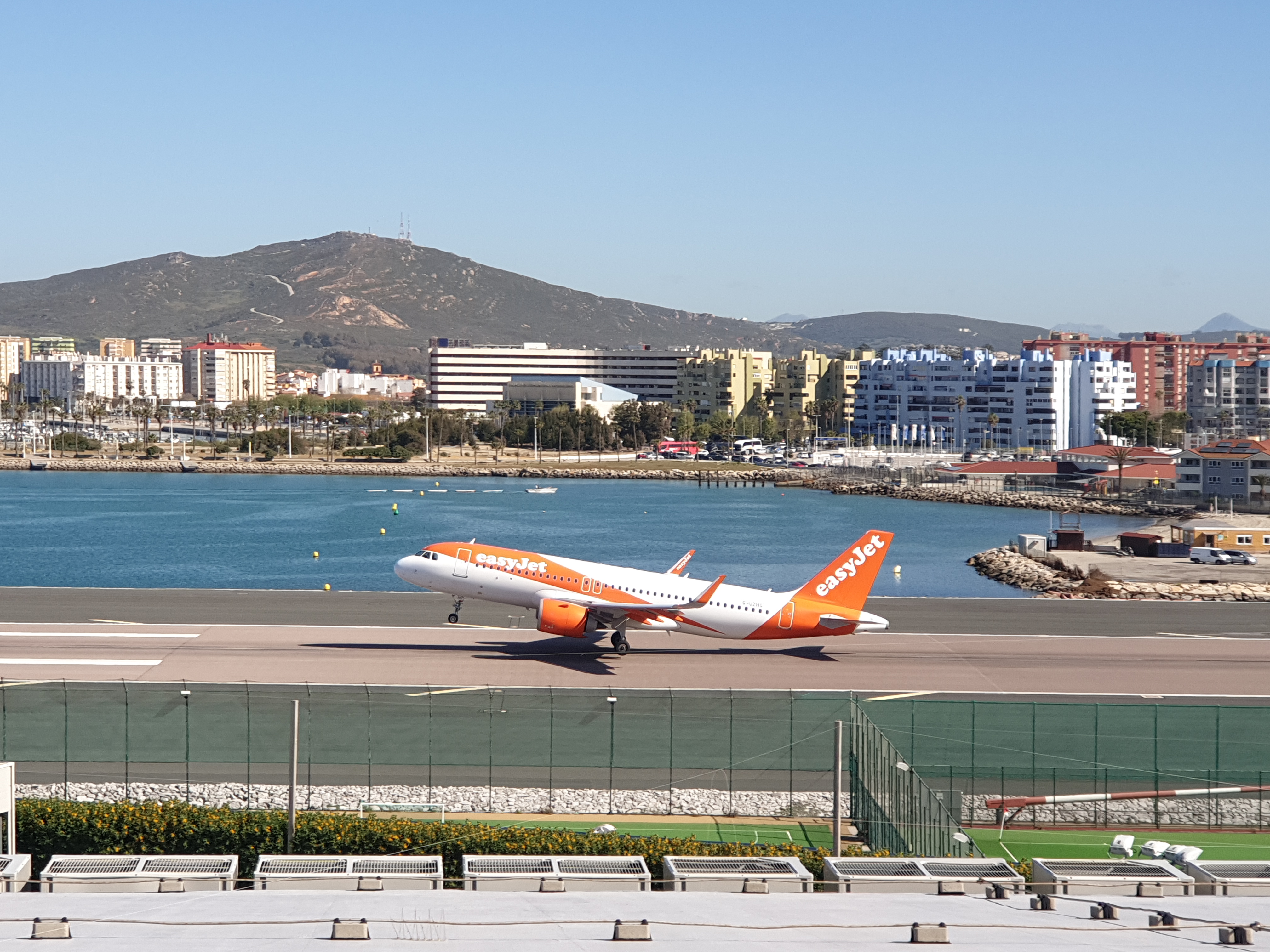
Picture this: you are an airline executive. Your entire business model depends on moving people from A to B as cheaply as possible. You have optimized every cost down to the gram — lighter seats, tighter schedules, fees for breathing. There is one thing, however, that you cannot optimize away: fuel. And yet somehow, EasyJet managed to find a way to fail at that too.
Last week, an EasyJet flight diverted to Stansted Airport after another plane blocked the runway at Gatwick. Reasonable enough — these things happen. But then the diverted plane discovered it could not refuel. Not because Stansted lacked fuel. Not because there was a mechanical issue. The plane was simply stuck, waiting for a fuel truck that apparently existed somewhere in the supply chain but not at that particular moment in space and time.
This is not a logistics problem. This is a financial philosophy problem. Airlines have spent two decades treating fuel as a variable cost to be squeezed, suppliers as commodities to be beaten down, and contingency planning as something that happens to other people. When you run an operation on margins thin enough to see through, you do not build redundancy. You build brittleness.
The real cost to passengers? Not the delay itself — that is priced in via their tears and missed connections. It is the revelation that an entire industry has convinced itself that moving 180 people across Europe for £29 is somehow sustainable. Spoiler: it is not. And when the system finally breaks, you get a plane stranded without fuel at an airport that apparently thought someone else was handling it.
The punchline writes itself. In an industry obsessed with cutting costs, they managed to achieve the one outcome that costs the most: doing nothing at all.