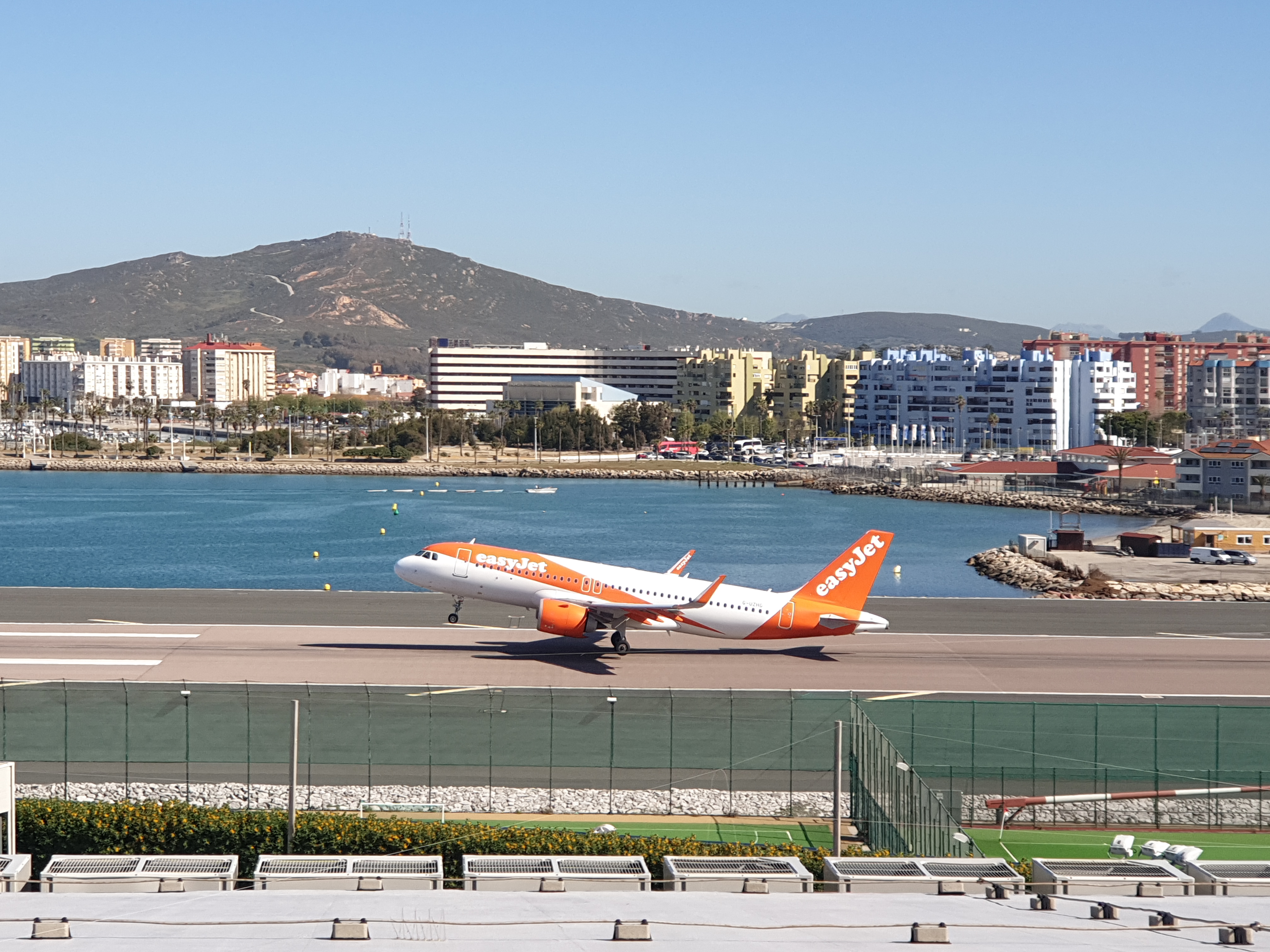
EasyJet’s chief executive took to the airwaves this week with news so reassuring it borders on suspicious: the airline has absolutely zero fuel problems heading into summer. None. Nada. Not a drop of shortage in sight. This is, of course, precisely the kind of statement you make when you want everyone to stop asking uncomfortable questions about why your booking numbers have gone soft.
Let’s establish what actually happened. EasyJet confirmed that its fuel supply chain is running smoothly — a genuinely useful piece of information for anyone who flies budget airlines and occasionally worries whether their plane will make it to Málaga or simply coast to a stop over the Channel. The airline’s leadership is confident. The tanks are full. The summer of 2026 will not be derailed by petroleum logistics.
But here’s where the theatre begins. The same executive who announced this fuel-supply utopia also mentioned, almost in passing, that people are booking flights later than usual because of “uncertainty caused by the Iran war.” Not because fuel might run out. Not because airports are melting down. Because there is an active, ongoing conflict in a region that supplies a meaningful chunk of global energy, and consumers are apparently waiting to see if the situation escalates before they commit to a weekend in Barcelona.
So EasyJet is sitting in a perfect position: fuel abundance! Smooth operations! Everything is fine! But also, mysteriously, people are not buying tickets as early as they normally do. The airline has solved the supply-side problem and walked straight into a demand-side one, which is rather like announcing that your restaurant has no food shortages while the dining room sits half-empty because everyone is worried about the geopolitical situation.
The absurdity deepens when you consider what EasyJet is actually saying. In a world where a regional conflict is rattling enough consumer confidence to delay holiday bookings, the airline’s biggest concern is not fuel scarcity but the fact that passengers are being rational. They are taking their time. They are waiting. They are not panicking into a purchase. And EasyJet, which has built an entire business model on moving people cheaply and fast, is now confronting a customer base that is doing neither.
This is the modern economic paradox wrapped in a press release. The infrastructure works perfectly. The logistics are flawless. The supply chains hummed along without incident. And yet the actual humans who need to buy the product are hesitating because the broader context — geopolitical risk, energy markets, regional instability — is too uncertain to ignore. You cannot fuel-surplus your way out of that problem.
What makes this genuinely funny is not the fuel announcement itself, which is straightforward and probably true. It is the implication that EasyJet believes announcing the absence of one problem will somehow distract from the presence of another. “Yes, we have no fuel crisis,” the airline is saying, “so please ignore the fact that your uncertainty about the Iran situation is making you book flights on a Tuesday instead of a Monday.” It is like a restaurant saying “Our kitchens are immaculate!” while wondering why nobody is making reservations.
The real story here is not about jet fuel at all. It is about the gap between operational excellence and consumer sentiment. EasyJet can optimize every inch of its supply chain, can negotiate fuel contracts years in advance, can ensure that not a single flight sits grounded because of petroleum shortages. But it cannot control whether a passenger in Manchester decides that now is the time to lock in a summer trip or whether they should wait another month to see how things unfold in the Middle East.
So EasyJet’s confidence is not misplaced — the airline genuinely does appear to have sorted its fuel situation. But it is also somewhat beside the point. The airline has solved a problem that was never going to be the limiting factor. It has announced victory in a battle that was never really the war. Meanwhile, the actual constraint — consumer willingness to book in an uncertain world — remains entirely outside its control.
The summer will probably be fine. Planes will fly. Fuel will flow. EasyJet will operate smoothly. But the airline’s announcement is less a reassurance and more a reminder that sometimes the biggest obstacles are not the ones you can solve with logistics and planning. Sometimes they are the ones that live in the heads of people trying to decide whether now is the right time to book a holiday, and no amount of fuel-supply confidence can touch that.