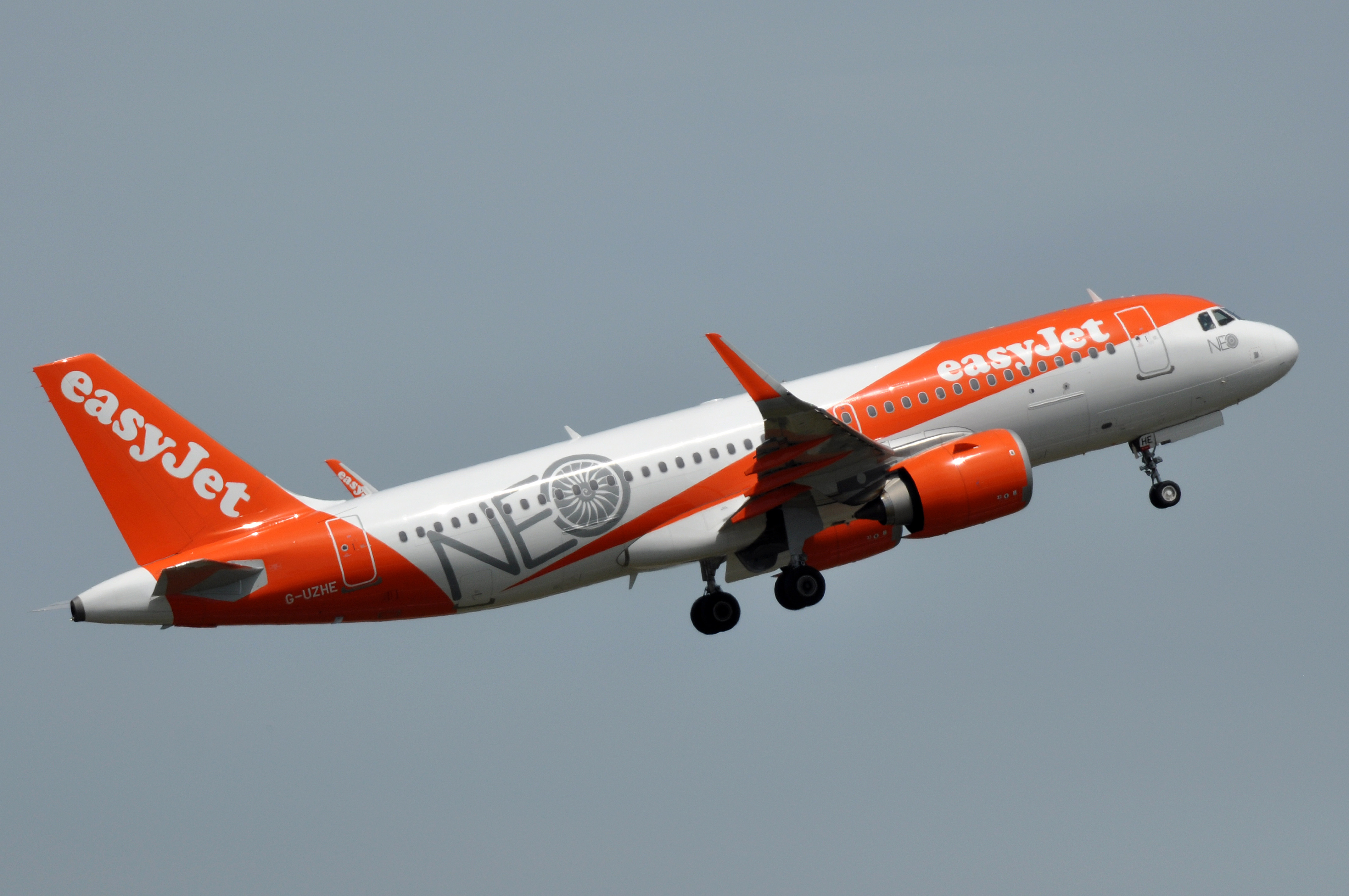
EasyJet has rejected a £4.7 billion takeover bid from Castlelake, dismissing the offer as ‘highly opportunistic’ — a phrase that apparently means ‘we think we are worth more than what the market is currently willing to pay for us.’ The airline’s board has effectively decided that the best strategy is to hold out until a bidder shows up with a number that feels less like an insult and more like a compliment.
What EasyJet’s rejection really signals is a masterclass in financial theatre. The airline faces the same headwinds as every other carrier: rising fuel costs, labour disputes, and a customer base that would cheerfully book a ride on a trebucult if it saved them £3. Yet instead of accepting a valuation that reflects these realities, EasyJet’s leadership has apparently concluded that the market is simply not ready to appreciate their true vision: an airline that charges budget prices while insisting it delivers premium service through the sheer force of optimism.
Castlelake, a London-based investment firm, made what seemed like a reasonable offer. EasyJet called it cheap. The subtext is clear: the airline believes that patience — and perhaps a few quarters of improved trading conditions — will unlock a higher bid. This is either strategic brilliance or a very expensive game of poker where the house is betting with money it does not actually have.
For shareholders watching this unfold, the message is simple: your airline’s board thinks you should wait for something better. Whether that bet pays off depends entirely on whether the world’s appetite for standing-room-only travel to budget destinations suddenly becomes a luxury good.