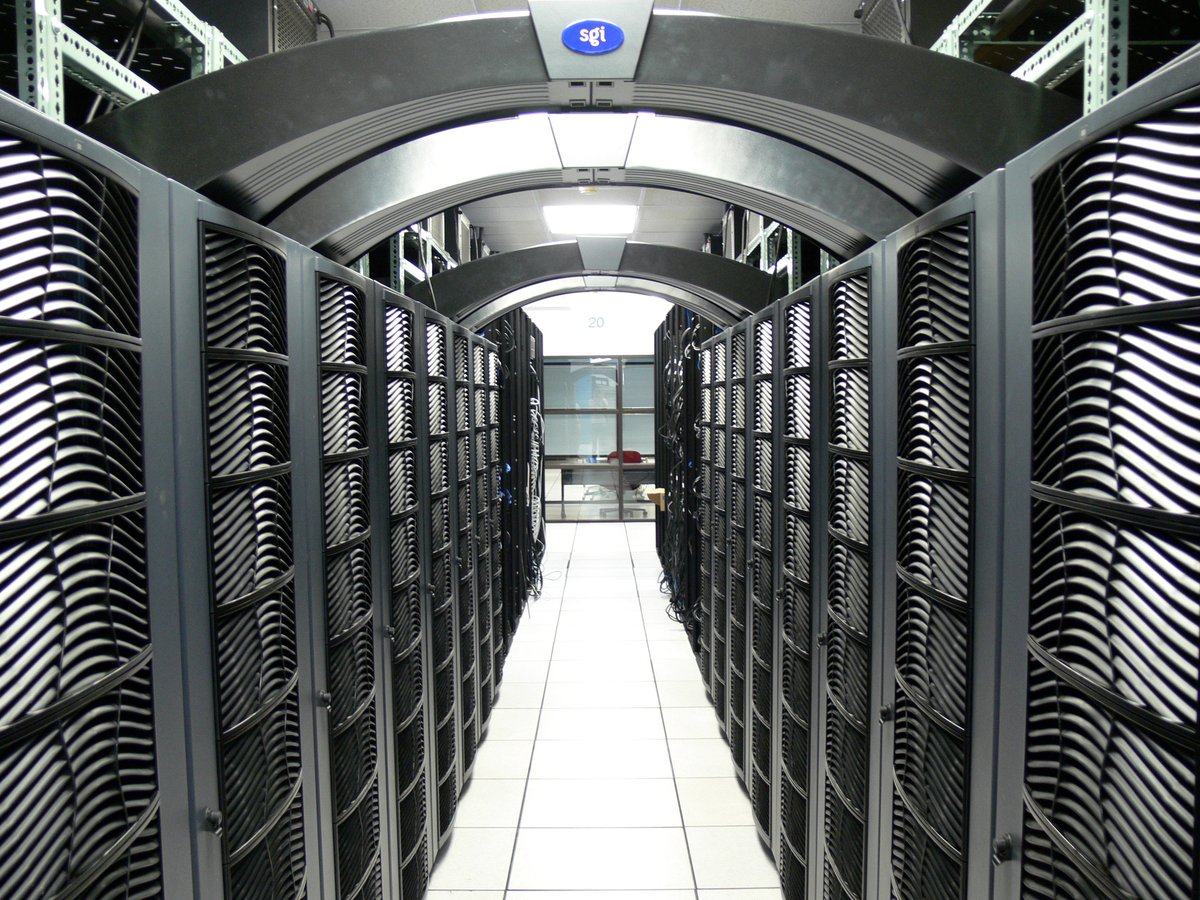
Picture this: a data center executive walks into a room with £500,000 per megawatt in their pocket and places it on the table like they’re betting the farm on red. Except the bet is whether their AI servers will actually need that much electricity next year, and the house—in this case, Britain’s power regulator—gets to keep the chips if they don’t.
This is now real. The UK regulator has announced that new data centers must post deposits of between £237,500 and £712,500 per megawatt to guarantee they’ll buy the power they claim to need. It’s a financial hostage situation dressed up as grid management.
Here’s why this matters: data centers are becoming the power grid’s biggest wildcard. They promise to vacuum up gigawatts of electricity for AI training, cryptocurrency, and cloud services. But nobody actually knows if they’ll use what they reserve. So regulators decided to make them put money down—essentially a security deposit on electricity, like you’re renting an apartment from the National Grid.
The absurdity is delicious. Tech companies spent years arguing they needed unlimited power access to build the future. Now they’re being asked to bet hundreds of millions that they’ll actually use it. If demand doesn’t materialize, they lose the deposit. If it does, they’ve just paid a premium to access power they already committed to buying.
So what does this mean for you? Your electricity bills probably stay weird, because data centers will pass these costs somewhere. And somewhere is usually you. The real game show here is watching whether tech’s insatiable hunger for power was real or just performative. The regulator is betting it was bluffing.