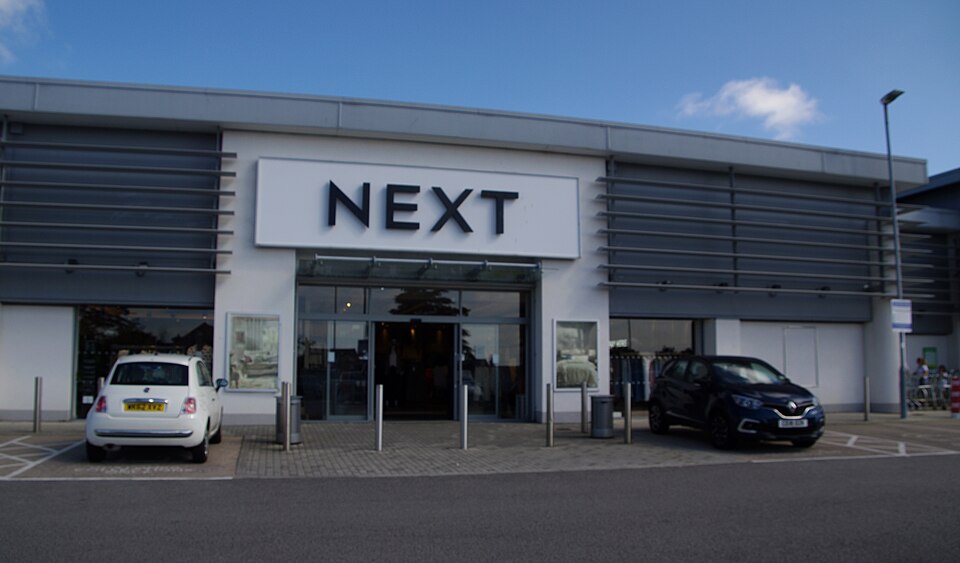
Next, the British fashion and homeware retailer, just announced price increases of up to 8% in markets outside Europe. The reason? Iran war costs, apparently. And look, I get it — geopolitical instability is real, supply chains are fragile, and war does genuinely disrupt commerce. But let us be honest about what is actually happening here: companies have discovered that chaos is a permission slip.
The beautiful part of Next’s announcement is the carve-out for the UK. Sales were “better than expected” in the first quarter, so British customers get to keep their prices stable while everyone else subsidizes the chaos fee. This is not risk management. This is the corporate equivalent of telling your dinner guests that the appetizers are free because you like them, but the main course costs extra because of something that happened in Iran — a place that has exactly zero impact on whether your chicken breast was expensive to raise.
Here is what makes this so deliciously absurd: companies did not suddenly become cost-conscious when geopolitical risk spiked. They were already marking up goods to whatever the market would bear. They were already squeezing margins. They were already doing what companies do — extracting maximum profit from minimum effort. What changed is that now they have a story to tell. A good story. A story that sounds like it came from the news rather than from a pricing algorithm that discovered “customers will pay 8% more if we frame it as unavoidable.”
The Iran situation is real. Oil prices have moved. Shipping routes are genuinely more expensive in some cases. Insurance premiums have ticked up. These are not fabrications. But here is the thing: those costs are usually a fraction of the price hike being passed on. When a company says Iran war costs justify an 8% increase, what they are really saying is: “We found a news story that makes our profit-taking sound reasonable, and we are going to ride it until customers stop believing us.”
And it works! Because most people do not have a spreadsheet tracking the actual cost of raw materials, logistics, and insurance for a Next dress or sofa. They hear “Iran war” and think, “Oh, well, that makes sense. Geopolitics are expensive.” Meanwhile, the company is quietly enjoying the fact that their UK sales were strong enough that they did not need to raise prices there — which tells you everything you need to know about whether this is truly a cost issue or a demand-and-pricing issue.
The genius move here is that Next has weaponised transparency against itself. By explicitly not raising prices in the UK because sales were good, they have accidentally revealed the real lever: demand, not costs. If Iran war costs were the driver, they would be uniform across all markets. Instead, we have a situation where the same dress costs more in Dubai than in London because London customers were already buying enough stuff. That is not economics. That is dynamic pricing dressed up in a geopolitical costume.
This is not unique to Next. Every company with a supply chain is going to do this over the next year. Airlines will blame Iran. Logistics companies will blame Iran. Consumer goods manufacturers will blame Iran. Some of them will be right, to a degree. But most will be right in the way that a person who gained ten pounds and blames it on a single unfortunate weekend in Vegas — technically true, but missing the broader picture of how they actually got here.
The real story is that companies have always had pricing power. What they did not have was a socially acceptable reason to use it. Inflation was getting boring. Everyone was tired of hearing about supply chains. But geopolitical risk? That is fresh. That is scary. That is the kind of thing that makes people nod and accept that yes, maybe a sofa should cost 8% more now, because obviously the world is falling apart.
So here is the thing you should actually care about: the next time a company announces a price hike and ties it to something happening ten thousand miles away, ask yourself: did their costs actually change, or did their story change? Because one of those is real, and one of those is just good marketing. Sometimes they are the same thing. Usually, they are not.
Next’s UK exemption proves it. If geopolitical costs were universal, so would the pricing be.