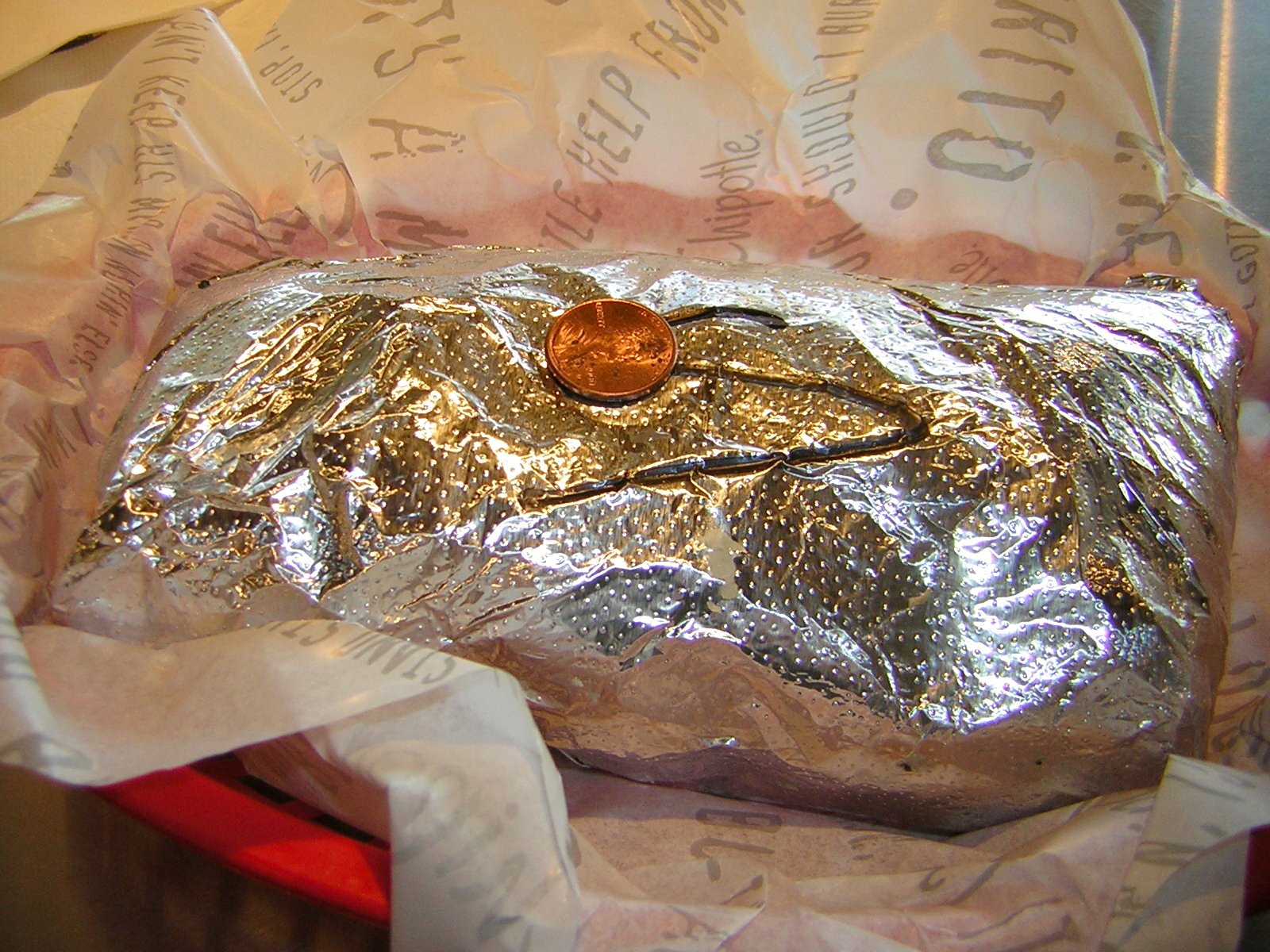
Chipotle announced this week that it is opening its first location in Mexico, marking a historic moment in culinary diplomacy: an American fast-casual chain is finally ready to show Mexicans how to make burritos properly.
The move arrives after years of watching competitors like McDonald’s and Starbucks struggle in their ancestral markets. But Chipotle executives clearly studied those failures and concluded the problem was not hubris—it was insufficient confidence. Where Domino’s Japan faltered, Chipotle will triumph, armed with the unshakeable conviction that a 25-year-old Denver-based restaurant chain understands the burrito better than the country that invented it.
The timing is perfect. Mexico has been making burritos for centuries, but without the benefit of Chipotle’s supply chain optimization and its proprietary approach to cilantro distribution. Surely locals will appreciate learning that their grandmother’s recipe was merely a prototype for what Chipotle has perfected: a burrito you can eat one-handed while checking your phone, assembled by someone earning minimum wage who has never been to Mexico.
Historically, American food exports to their origin countries have faced obstacles. Customers tend to notice when a multinational corporation charges $12 for something a street vendor makes better for $2. They also notice when the “authentic” version tastes like it was engineered in a test kitchen in Columbus, Ohio. But Chipotle is betting that Mexico’s consumers simply haven’t tried the right burrito yet—theirs.
One thing is certain: if this fails, at least we’ll have a fresh case study for the next ambitious American chain convinced that expansion into the birthplace of their own cuisine is a good idea.