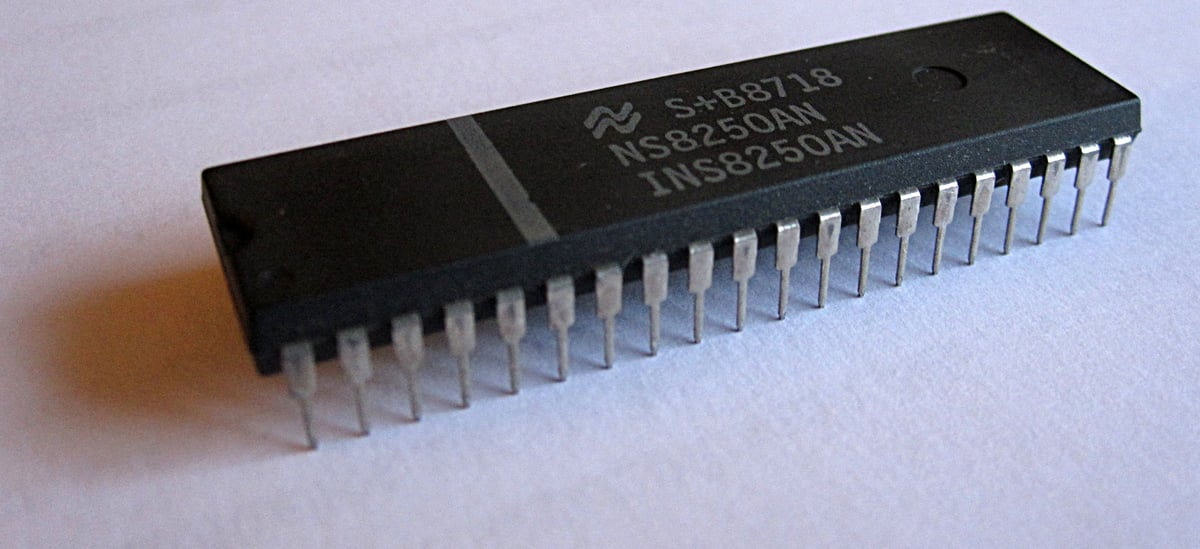
For the past eighteen months, we have been assured that artificial intelligence would revolutionize everything. Chipmakers were the chosen prophets of this revolution, and their stock prices reflected a kind of religious fervor. Then, this week, those same stocks started collapsing like a house of cards in a wind tunnel.
Investors are now having a very normal, very healthy realization: maybe nobody actually knows what AI is for yet.
The euphoria is fizzling because the numbers do not lie. Tech companies have spent hundreds of billions on chips to power AI systems, and those systems are mostly very good at generating plausible-sounding text and images that look like they were made by someone who has never seen a human hand. Meanwhile, the actual productivity gains remain theoretical, like dark matter—we know we are supposed to believe in it, but nobody can quite point to it.
Chipmakers built their entire business model on the assumption that demand would be infinite. They were not wrong about the enthusiasm. They were wrong about the substance. When a company realizes it spent $500 million on GPUs to power a chatbot that hallucinates, the follow-up purchase tends to be less enthusiastic.
So what does this mean for you? If you own semiconductor stocks, congratulations—you are learning that “revolutionary technology” and “actually useful technology” are not the same thing. If you were waiting for AI to make your life materially better, you can keep waiting. The revolution is still coming. It is just arriving slower than a company email server.