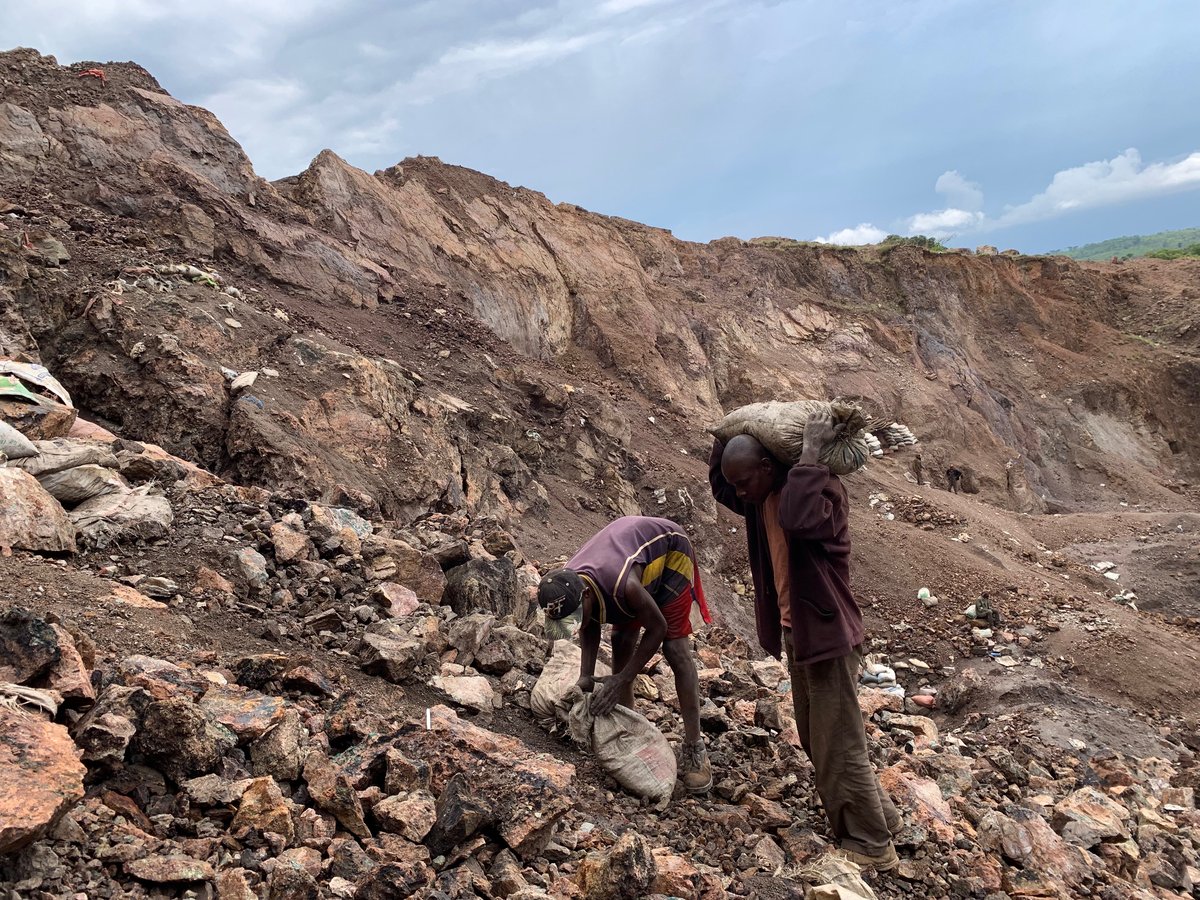
China’s worst coal mining disaster in 15 years just happened. This is the part where we are supposed to talk about how tragic it is—and it is—but also note the cosmic joke embedded in the timing: the country is simultaneously declaring itself the world’s clean energy leader while workers die in unregistered mines operated by people who do not appear on any official paperwork.
Let us be clear about what happened. Secret tunnels. Unregistered workers. A mining operation that, on paper, did not exist. Dozens of people dead in the dark because somewhere in the chain of command, someone decided that safety regulations were a suggestion, not a requirement. This is not a failure of green energy policy. This is a failure of basic human dignity. But the failure is interesting precisely because it happens in the shadow of China’s aggressive pivot toward renewables.
Here is the absurdity: China is spending hundreds of billions on solar panels, wind turbines, and electric vehicles. It is the world’s largest producer and consumer of renewable energy. The government publishes ambitious climate targets. The propaganda machine runs at full capacity. And meanwhile, in the provinces, coal miners are still dying in conditions that would have been considered intolerable in most developed countries fifty years ago.
This is not a contradiction in the way that most people understand it. It is not that green energy is bad, or that coal is secretly good, or that China is hypocritical in some naive sense. The real story is simpler and darker: the transition to clean energy is being built on the backs of workers who have no regulatory protection, no official status, and no ability to demand safety improvements without losing their jobs entirely.
When a mine is not registered, it does not have safety inspectors. It does not have minimum wage requirements. It does not have accident insurance. It does not have any of the things that make work survivable for the people doing it. The workers in those tunnels are not there because they love coal. They are there because they have no other option. And the operators run them that way because regulation costs money, and unregistered operations do not have to spend it.
The irony is that this exact dynamic—corners cut, workers ignored, profit maximized—is what the world supposedly learned to avoid in the industrial countries a century ago. We developed labor laws and mining regulations specifically because people kept dying in exactly these conditions. We decided, collectively, that this was unacceptable. And then we outsourced the problem.
Now China is trying to solve climate change while maintaining a labor system that has not evolved much since 1920. The two things are not compatible. You cannot build a sustainable future on unsustainable labor practices. You cannot claim to care about the planet while treating workers as expendable. And you certainly cannot do both while pretending the second thing is not happening.
What makes this genuinely tragic—not in the sense of “oh how sad,” but in the classical sense of a system that contains the seeds of its own failure—is that China has the resources to fix this. It has the money. It has the technical capacity. What it does not have, apparently, is the will to enforce its own rules. Or perhaps it does not want to enforce them, because enforcement would slow down the transition and cost money and create friction with local officials who benefit from the current arrangement.
So the workers go into the tunnels. Some come out. Some do not. And somewhere in Beijing, another solar farm is being celebrated as proof that the future is green.
The question for the rest of us is not whether China is hypocritical. Of course it is. The question is whether we are willing to buy the products of that hypocrisy—the cheap panels, the cheap batteries, the cheap electric vehicles—while pretending we do not know where they come from. Because if we are, then we are not really solving climate change. We are just moving the graveyard to somewhere we do not have to look at it.
That is the real punchline. The green energy transition is not a choice between doing good and doing bad. It is a choice between different versions of the same system: one where we pay attention to how things are made, and one where we do not. Right now, most of the world is choosing the second option. And it is working great, as long as you do not think too hard about the people dying in the dark to make it happen.