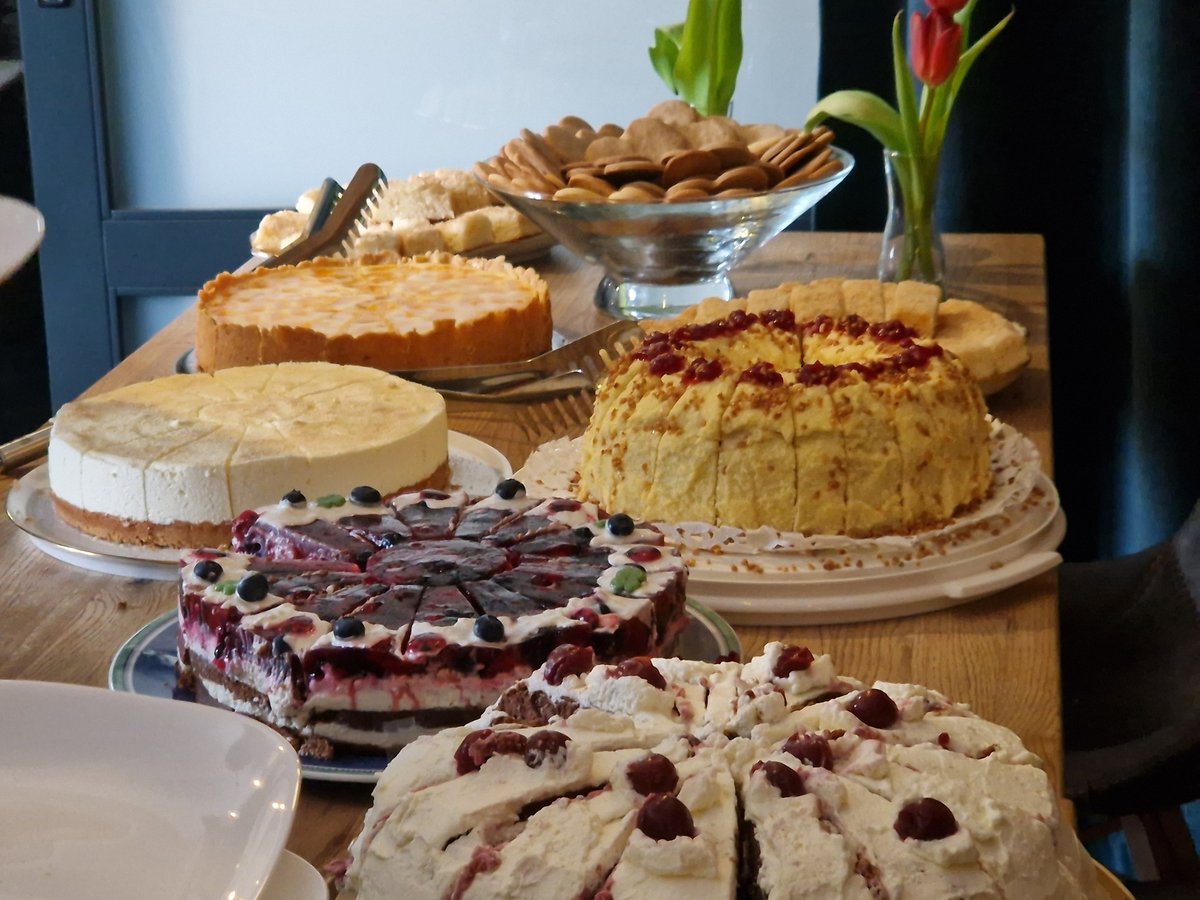
The cake shed economy was supposed to be different. No venture capital, no growth hacking, no pivot-to-blockchain nonsense. Just a person, a shed, and enough buttercream to make £1,000 a week without filing a single form.
Then the councils noticed.
What began as a charming rebellion against industrial bakeries—the digital equivalent of selling lemonade but with more Instagram engagement—has now attracted the sort of bureaucratic attention usually reserved for unlicensed taxi networks. Environmental health officers are dusting off clipboards. Planning committees are convening. Someone, somewhere, is asking whether a cake shed constitutes “commercial use” or “change of use” or possibly a threat to national security. The answer, naturally, depends on which council you ask and how bored they are that week.
The irony is delicious, if you’ll pardon the pun. The gig economy was sold to us as liberation from red tape. Yet here we are, watching regulators scramble to categorise what amounts to someone selling Victoria sponges from their garden. A food safety inspection might cost £500. A planning application could take months. The profit margin on a homemade lemon drizzle cake, it turns out, does not stretch to accommodate the full weight of municipal governance.
This is not actually about safety or standards. It is about the fact that councils have no idea how to tax something they cannot categorise, and nothing panics a bureaucracy quite like money moving through channels it cannot monitor.
The cake shed rebellion, it seems, will be regulated to death before it ever becomes a real problem.