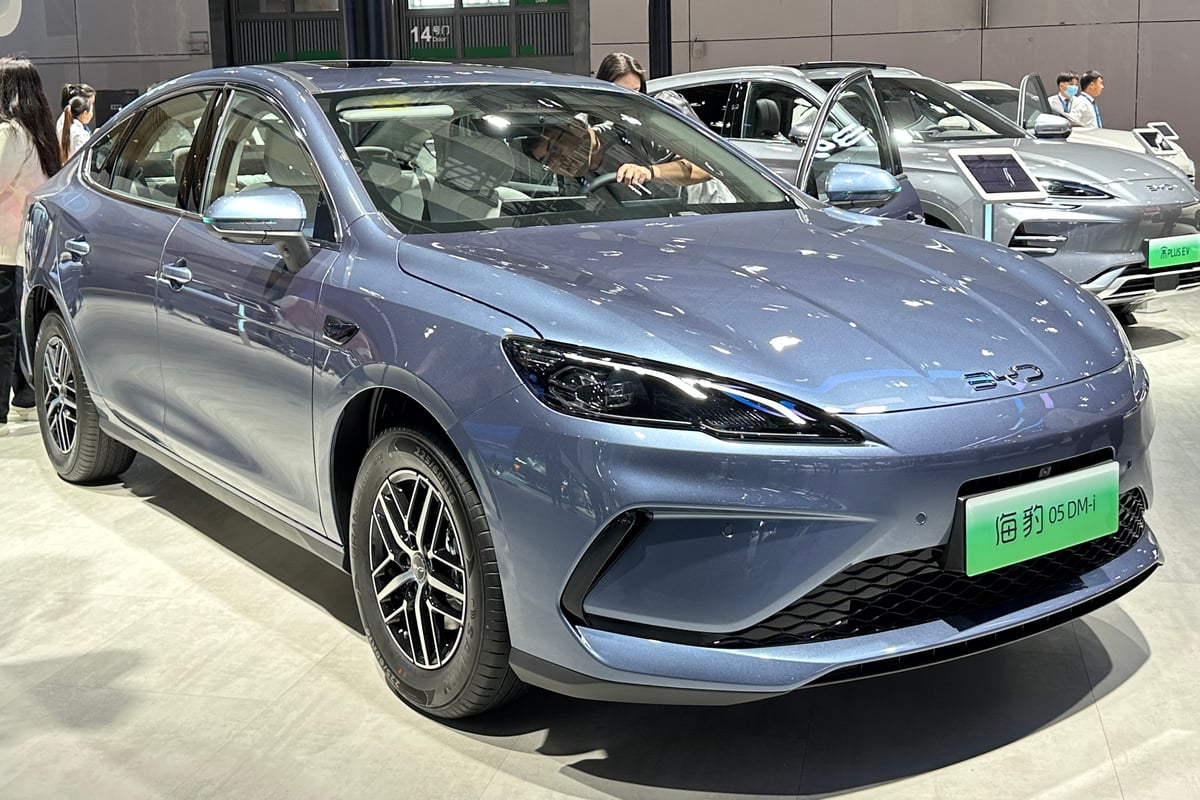
The Pentagon has added BYD, the world’s largest electric vehicle manufacturer, to its list of companies with alleged ties to the Chinese military. This is the geopolitical equivalent of a restaurant health inspector slapping a giant red warning sticker on your storefront—except the sticker reads “possibly connected to tanks” and your product is a sedan.
The move is meant to warn US firms away from doing business with BYD. But here’s where it gets fun: BYD doesn’t actually need American companies to buy its cars. It sells more EVs globally than Tesla. What it does need is the warm feeling of not being branded as a national security threat by the world’s largest military.
So naturally, the Pentagon’s next logical step should be creating the inverse: a line of military-approved electric vehicles. Imagine the marketing: “The Tesla Patriot™—now with 40% more surveillance capability and a bumper sticker that says ‘definitely not Chinese.’ ” It would solve two problems at once. American EV makers get a boost. The Pentagon gets to feel like it’s doing something. And consumers finally get a straightforward answer to the question: “Is my car trying to spy on me for a foreign government, or just my own?”
The real joke is that supply chains are so tangled that the “American” EV you drive probably contains parts from a dozen countries, none of them vetted by military lawyers. But sure, let’s put warning labels on the obvious stuff and call it a strategy.