Right. So Rishi Sunak’s replacement has a plan. Liz Truss had mini-budgets. Liz had lettuce. Keir Starmer has Andy Burnham’s Manchesterism — a doctrine so elegant it only requires one small miracle: that moving decision-making to Manchester somehow rewires how markets work.
The pitch is seductive. Take the economic model of a 19th-century industrial city, dust it off, and apply it nationwide. What could go wrong? Only everything, but let’s pretend the past two centuries of economic theory are just noise.
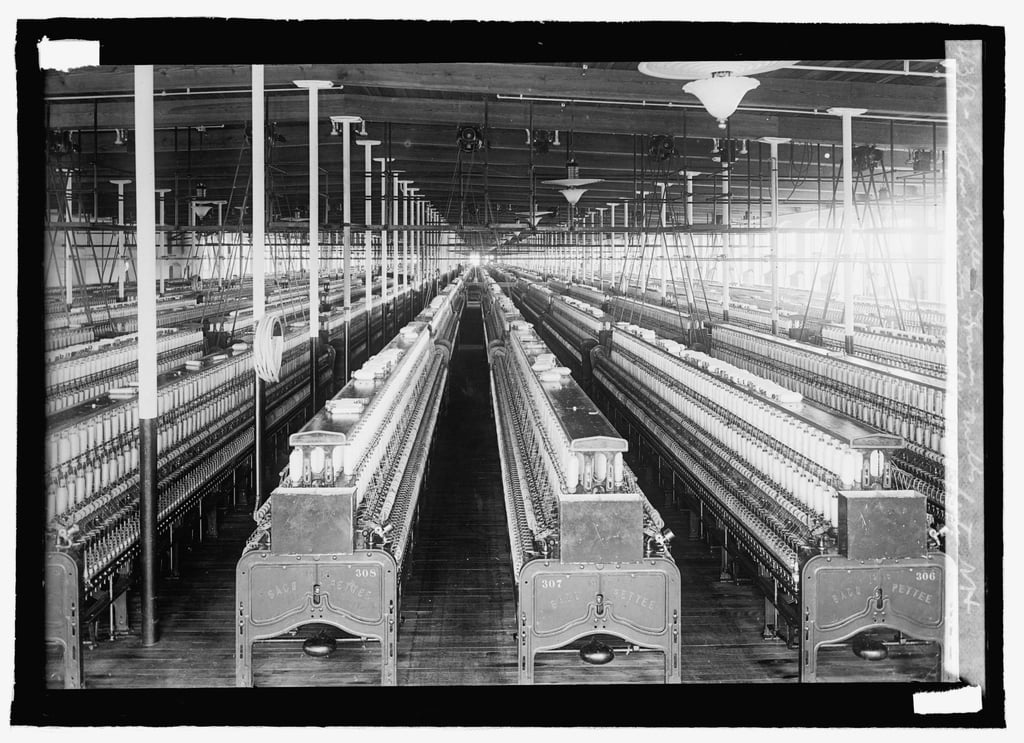
Here’s what Manchesterism actually is: the belief that if you let business do whatever it wants, prosperity trickles down like rain. Except rain is water. This rain is investor confidence, which evaporates the moment a journalist asks a hard question. The model worked brilliantly in 1850s Manchester — if you were the factory owner. If you were the factory worker, you got cholera and a 12-hour day.
The real absurdity is treating any single city’s economic success as a national template. Manchester thrived because it had geographic advantages, timing, and the Empire’s trade routes. You cannot legislate those into being. You cannot pass a bill saying “Be more like a Victorian boom town.” Yet here we are, watching politicians promise that devolution plus deregulation equals growth — the same formula that’s been tried, failed, and rebranded every five years since 2010.
The weather forecast is clear: more clouds made of policy papers, and when the rain comes, it will soak everyone except the people who sold you the umbrella.