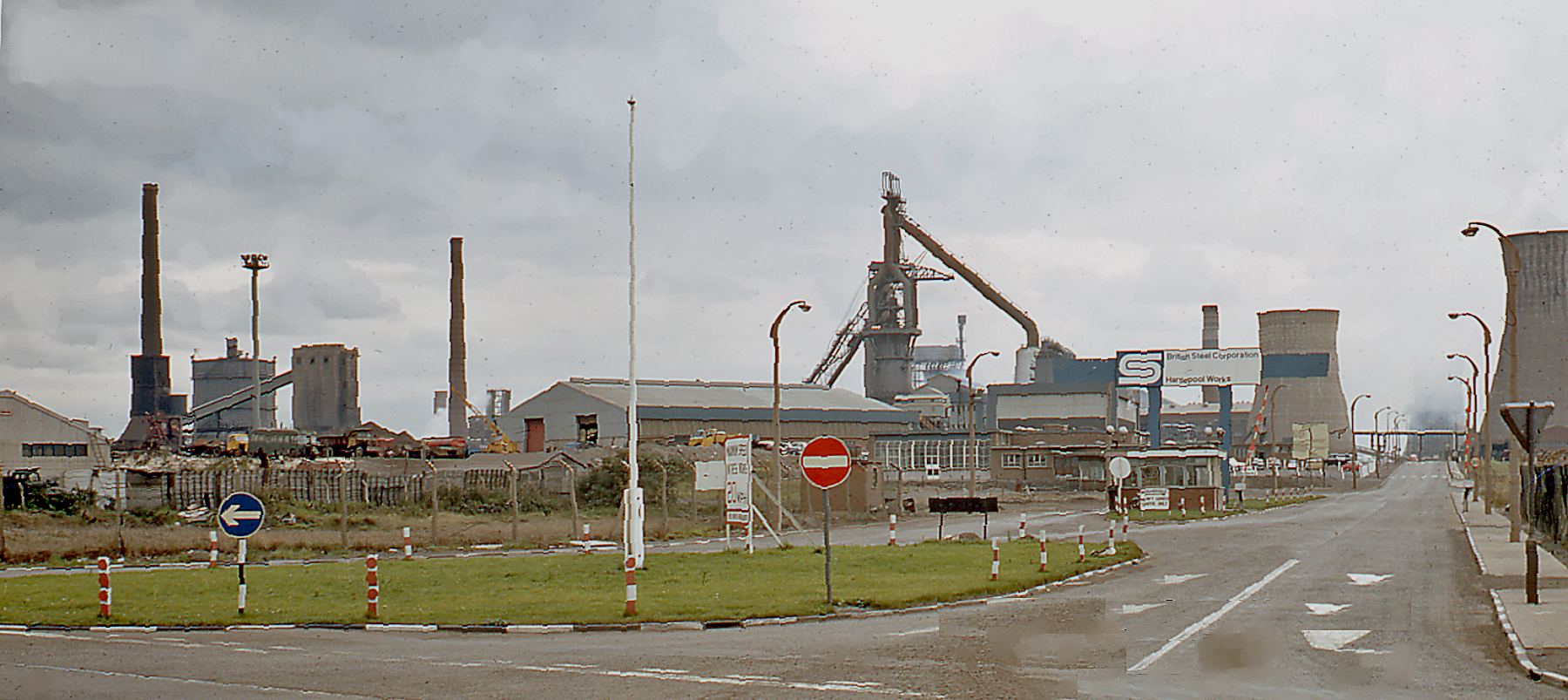
Remember when owning stuff was considered a bad idea? When every respectable government was frantically privatising everything that wasn’t nailed down, convinced that the market would sort it all out? Well, welcome to 2026, where state ownership has become the hottest asset class since cryptocurrency, and the UK just proved it by taking British Steel into public hands.
The irony is almost too perfect to be accidental. For decades, we were told that government ownership of industry was the economic equivalent of wearing socks with sandals — deeply unfashionable and fundamentally wrong. Private equity was the answer. Market forces would fix everything. Competition would bloom. And yet here we are, with the UK government officially nationalising the Scunthorpe steelworks because, apparently, “vital national capability” cannot be left to the whims of shareholders who would rather own something else.
China is not amused, naturally. Because nothing says “free market principles” quite like a Western nation suddenly deciding that some things are too important to be traded like baseball cards. The irony is so thick you could forge it into steel.
What makes this truly delicious is the timing. Governments worldwide are scrambling to secure supply chains, protect critical industries, and ensure they are not dependent on hostile powers for essential goods. It turns out that letting private owners flog off national assets to the highest bidder — regardless of their intentions — was perhaps not the strategic masterstroke it was cracked up to be.
So congratulations, British Steel. You are not just a steelworks anymore. You are a fashion statement. State ownership is back, baby, and this time it is called “strategic resilience.”