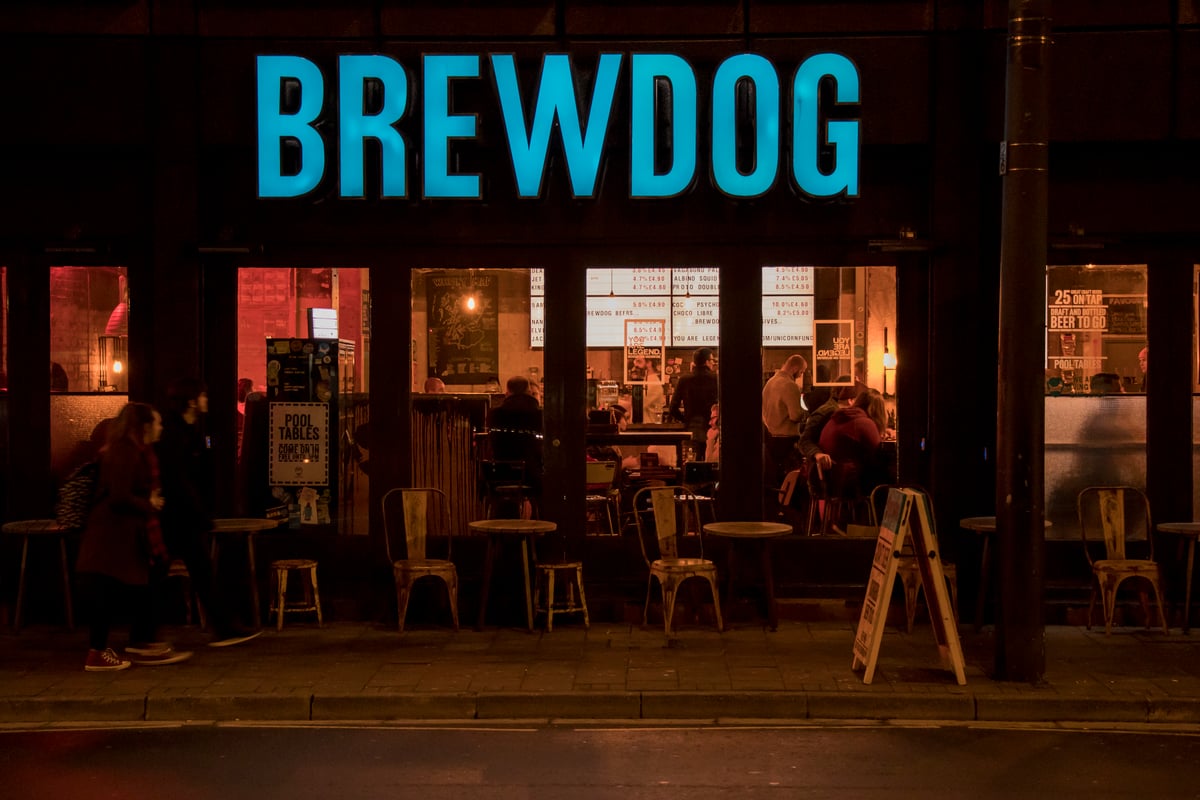
James Watt has discovered what every founder eventually learns: you cannot buy back trust, but you can certainly try to buy back the company that lost it.
The Brewdog co-founder’s recent campaign to contact former shareholders and convince them to sell their stakes has triggered UK data protection complaints—which is the corporate equivalent of your ex calling your parents to negotiate the return of their Netflix password.
Here is what matters: Watt is attempting to regain full control of a business that went public via crowdfunding in 2017, then spent years being pilloried for everything from workplace culture issues to accusations of greenwashing. The buyback itself is not unusual. The timing, however, suggests panic.
When founders start aggressively calling shareholders to make them an offer, it usually means one of two things. Either the business is worth far more than shareholders realize (unlikely, given Brewdog’s reputational hits), or it is worth far less and the founder wants to escape before that becomes obvious. There is also a third option: Watt simply cannot stand the idea of answering to people who own pieces of his legacy.
The data complaints suggest his outreach was, shall we say, enthusiastic. The UK Information Commissioner’s Office does not typically get involved unless someone is being contacted in ways that violate privacy laws or regulations.
For retail shareholders who bought in during the crowdfunding rush, this is a reminder that founder-led buybacks are rarely generous. You are not negotiating from strength when the person offering to buy you out also created the product you invested in. You are negotiating with someone who has already failed you once—publicly—and now needs your signature more than you need their money.