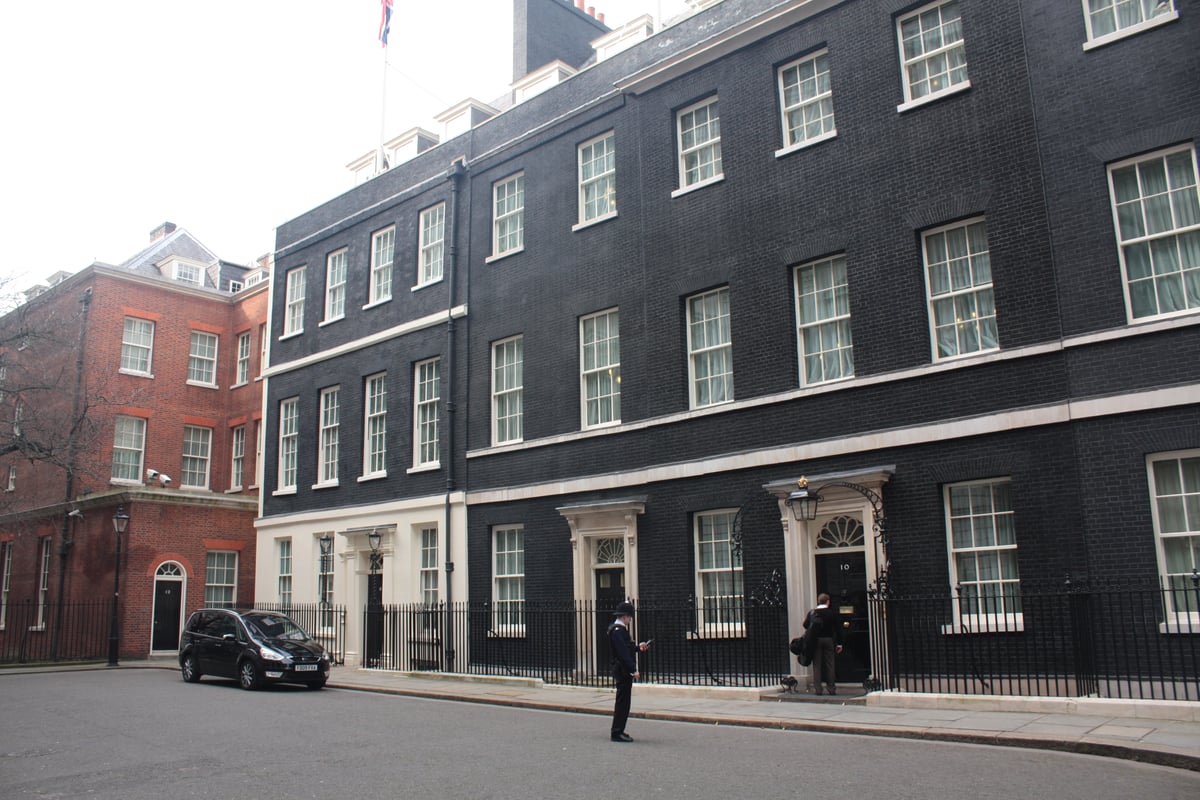
Booking.com has given us a gift this week: proof that the platform’s vetting system is about as rigorous as a hotel guest who doesn’t read the reviews. A consumer group managed to list 10 Downing Street—the Prime Minister’s actual residence—as a rental property, complete with a fake booking calendar. The company’s response? It was just a “limited test.” Not a true reflection of millions of listings, they said. Millions.
Let us sit with that for a moment. A “limited test” that somehow bypassed every verification layer between a scammer’s laptop and the British Prime Minister’s front door. One wonders what an unlimited test would look like. A listing for the Tower of London with a hot tub?
The real comedy is watching regulators scramble. The UK government, which has spent years drafting online safety laws while tech companies rewrote them in committee meetings, suddenly discovered that maybe—just maybe—platforms should verify that properties actually exist before letting strangers book them. Revolutionary stuff.
Booking.com’s defense amounts to: “This is not how we normally work.” Except it is. It is exactly how they normally work. The difference is that usually the fake listing is a dingy flat in Prague, not the residence of the nation’s chief executive. Scale and embarrassment, not principle, triggered the response.
Consumers should draw one lesson: trust the reviews from other humans, not the platform’s assurances. Booking.com has millions of listings because it has millions of listings, not because it has vetted them. That “limited test” just proved it.