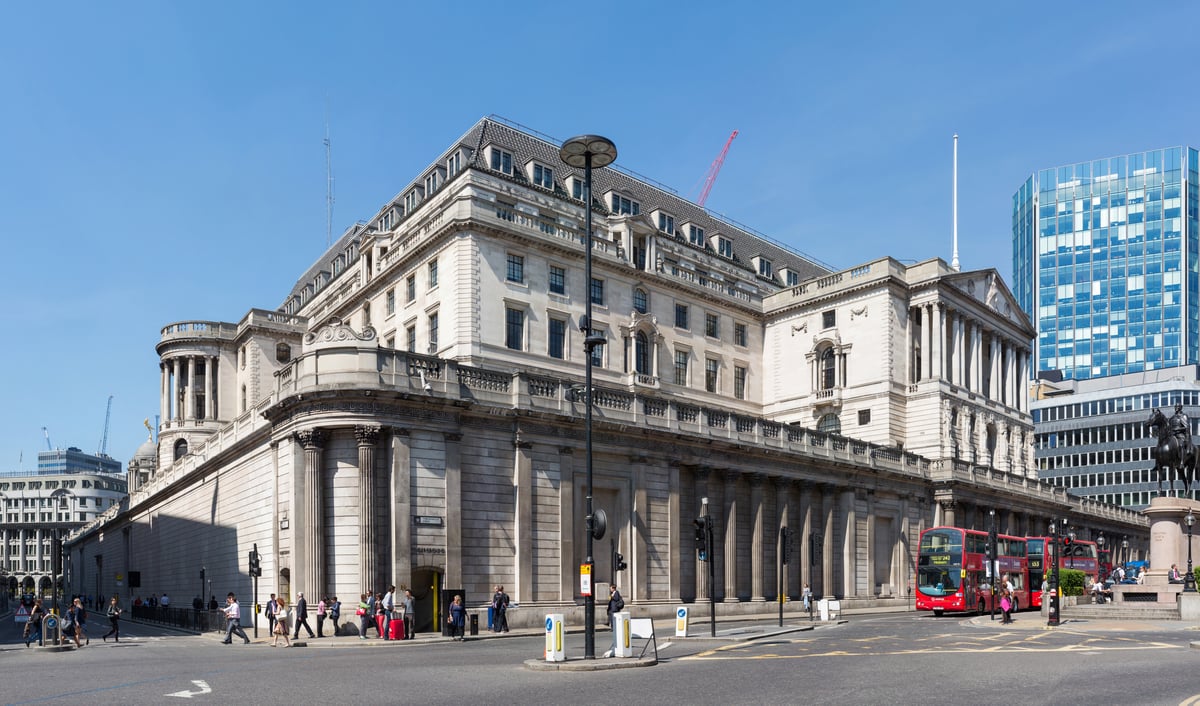
The Bank of England’s chief economist has announced that interest rates probably need to go up this year, which is the economic equivalent of your doctor saying you might need medicine while simultaneously insisting they have no idea what the illness is.
The reasoning, as presented, is that the economy is experiencing slower growth and inflationary pressures at the same time—a state of affairs so contradictory that it makes the traditional laws of finance look like they took a very long lunch break and never came back. Normally, you raise rates to fight inflation or cut them to stimulate growth. You do not typically do both while shrugging and hoping nobody notices the logical contradiction.
What this means for you: if you have a mortgage on a variable rate or are considering one, you are not getting cheaper borrowing anytime soon. If you have savings, the interest you earn might tick up slightly, which is nice but probably not enough to offset the fact that everything costs more anyway. If you are investing, congratulations—you are now operating in an economy where the central bank’s own chief economist essentially admits they are flying blind.
The real story here is that the economy has become so thoroughly weird that traditional monetary policy—the thing central banks have done for centuries—is now more of a guess than a science. Slower growth should mean lower rates. Inflation should mean higher rates. Getting both simultaneously means the Bank of England is basically asking interest rates to be in two places at once, which is not how rates work, but apparently how the modern economy does.