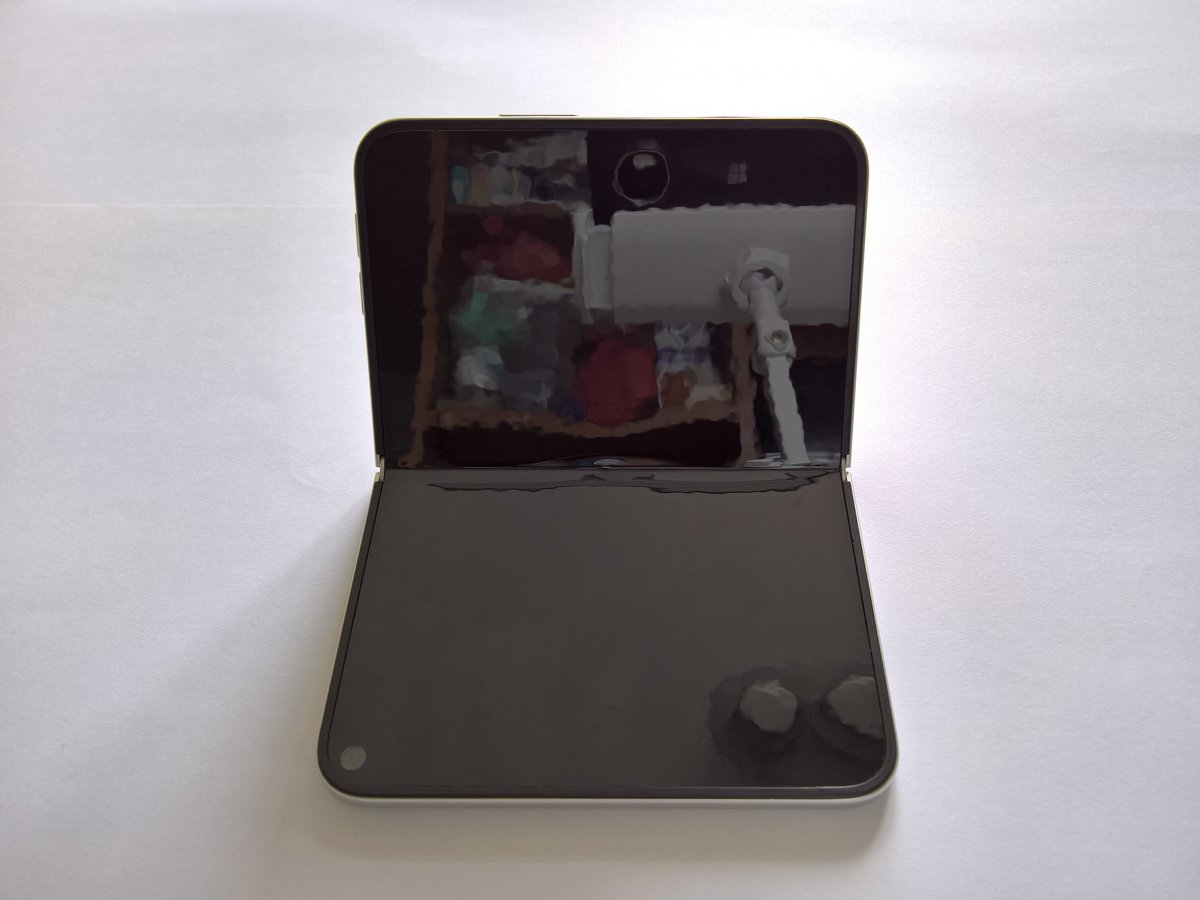
Apple’s new leadership has finally solved the problem nobody asked them to solve: making iPhones harder to hold and more expensive to repair. The company’s first folding iPhone represents a bold strategic pivot—away from, you know, actual innovation and toward the kind of technological theater that makes shareholders feel like something is happening.
Let’s be clear about what this is. After nearly two decades of incremental camera bumps, screen size shuffles, and removing ports that people actually used, Apple needed a headline. A folding phone does that. It says “we are doing something different,” which is technically true in the way that setting your house on fire is a different approach to interior design.
The folding iPhone joins a crowded graveyard of folding phones that consumers have roundly rejected as impractical, fragile, and absurdly expensive. Samsung has been folding phones for years. They still do not fold naturally. The crease is still there. The screen still breaks. But Apple’s version will presumably do all of this with better marketing and a $2,000 price tag that somehow sounds reasonable when an Apple executive says it with confidence.
Here is the real tell: a company with genuine innovation momentum does not need to chase a gimmick that other manufacturers have already proven does not work. Apple is folding phones because it has run out of meaningful things to say about phones. The strategy is not bold. It is panic dressed up as vision.
The new boss needed a win. This is what passes for one now.