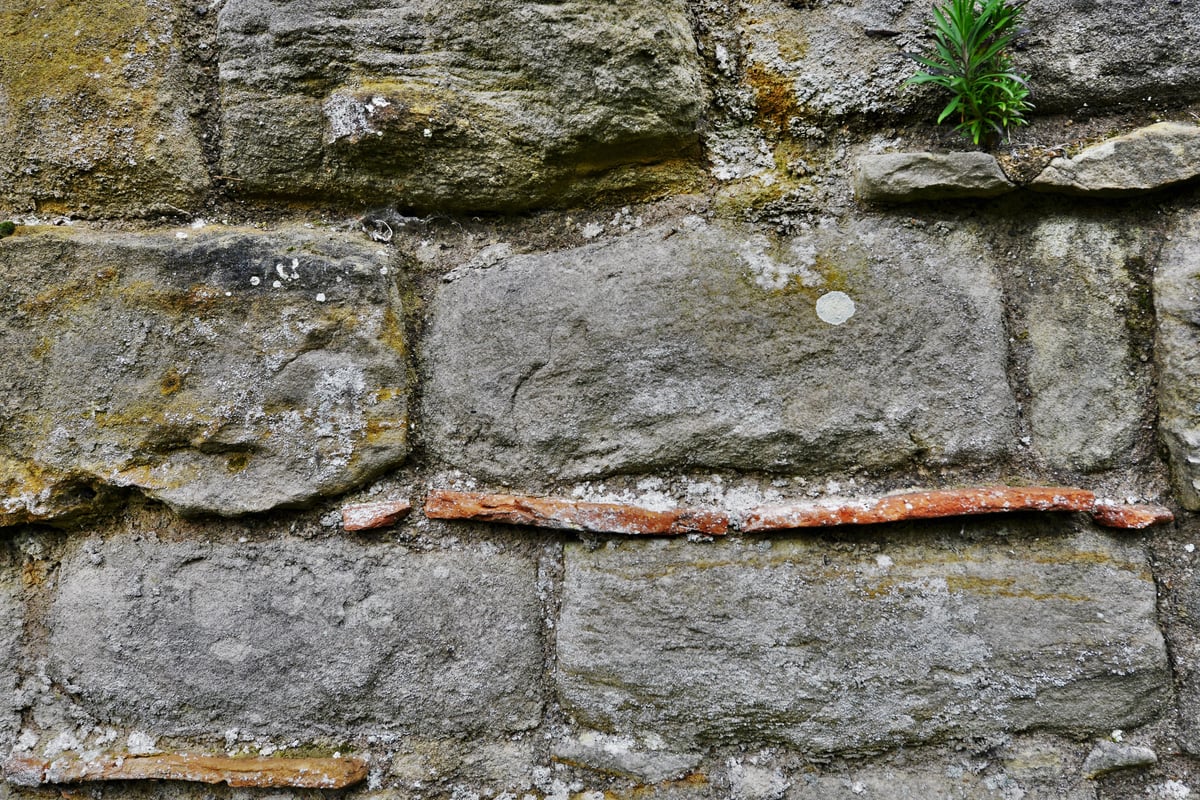
The tile industry is in crisis, and executives have finally cracked the code: stop competing with cheap imports and instead hire a consulting firm that specializes in Roman urban planning.
While some manufacturers are doing the boring thing—investing in automation, streamlining supply chains, cutting costs—the visionaries among them have realized that the real play is authenticity. Why compete on price when you can compete on vibes? The plan is simple: rebrand your factory as a heritage artisanal collective, hire someone who has read Pliny the Elder, and start describing your production process using words like “kiln-fired” and “time-honored.”
The logic is airtight. Consumers are drowning in cheap fast-fashion tiles from overseas. They are exhausted. They crave meaning. They want their bathroom to whisper stories of empire and permanence. Never mind that a Roman tile from 70 AD and a tile from a factory in 2026 are both, fundamentally, baked clay. The difference is now you can charge three times as much and call it “historically informed manufacturing.”
One tile maker is already in talks with a Rome-based architectural historian to co-design a product line. Another is considering renaming its kilns after Roman emperors. The margins are terrible, supply chains are broken, and labor costs are climbing. But if you slap enough nostalgia on it, suddenly you are not a struggling manufacturer—you are a guardian of civilization.
This is either genius or the moment we all realize the economy runs on marketing and nothing else. Place your bets accordingly.