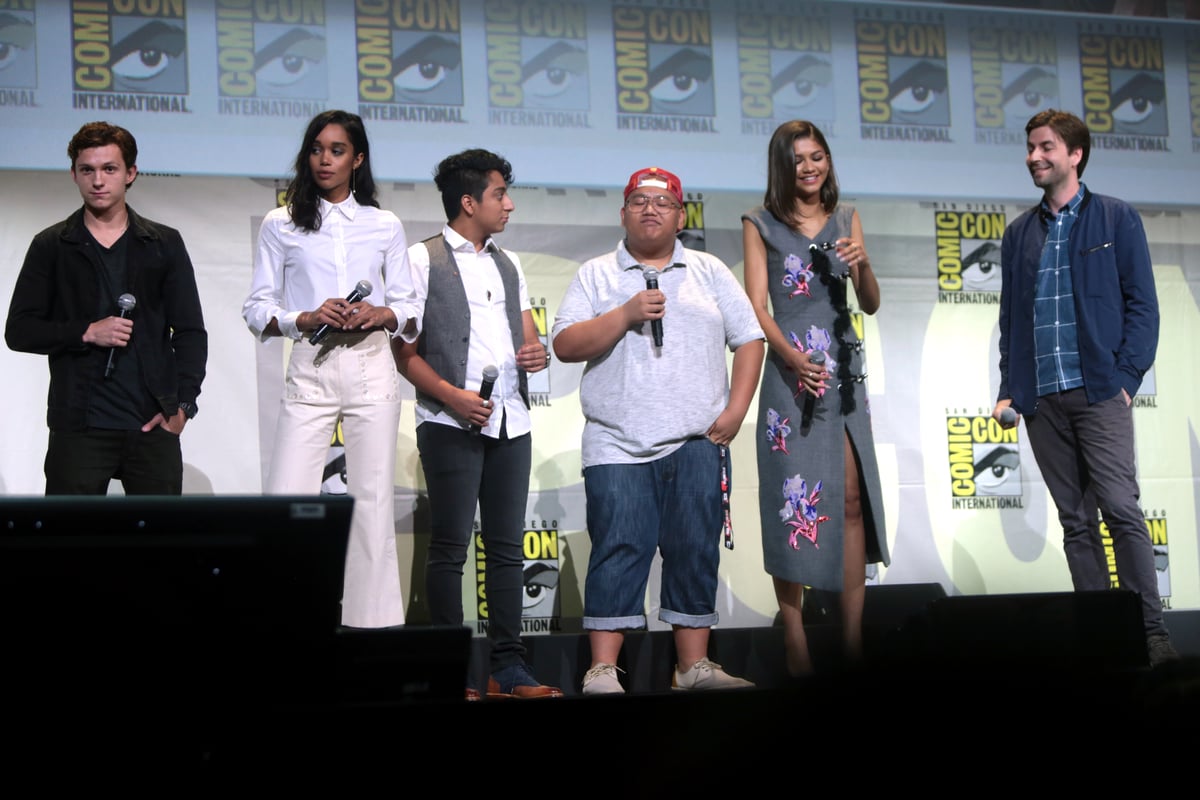
Tom Holland had to confirm he wasn’t married to Zendaya this week because the internet collectively decided to believe AI-generated wedding photos over, say, literally any other form of evidence. The fake images got millions of likes. The actual statement confirming they were fake got significantly fewer.
This is where we are now. A fabricated wedding in a fictional Italian villa accumulated more engagement than the couple’s denials. The algorithm doesn’t care about truth — it cares about the emotional temperature of the image, and nothing generates heat like celebrity romance that doesn’t exist.
The photos were technically impressive, which is the problem. They looked real enough that millions of people wanted them to be real badly enough to share them before checking. The verification process has become optional. A blue checkmark is no longer proof of authenticity; it’s just a paid badge next to whatever you’re willing to broadcast.
What’s genuinely unhinged is that this isn’t even the first time this happened. We’ve collectively agreed to a system where fake celebrity content gets more oxygen than actual celebrity news. A fabricated proposal will outperform a real movie announcement. A deepfake breakup will trend harder than an actual one.
Holland and Zendaya had to waste real time managing a crisis that only existed in image form. They’re not married. They never were married. Millions of people still don’t believe them. The photos are still being shared as if the denial was the lie. This is the economy we’ve built: attention for falsehoods, indifference to correction.