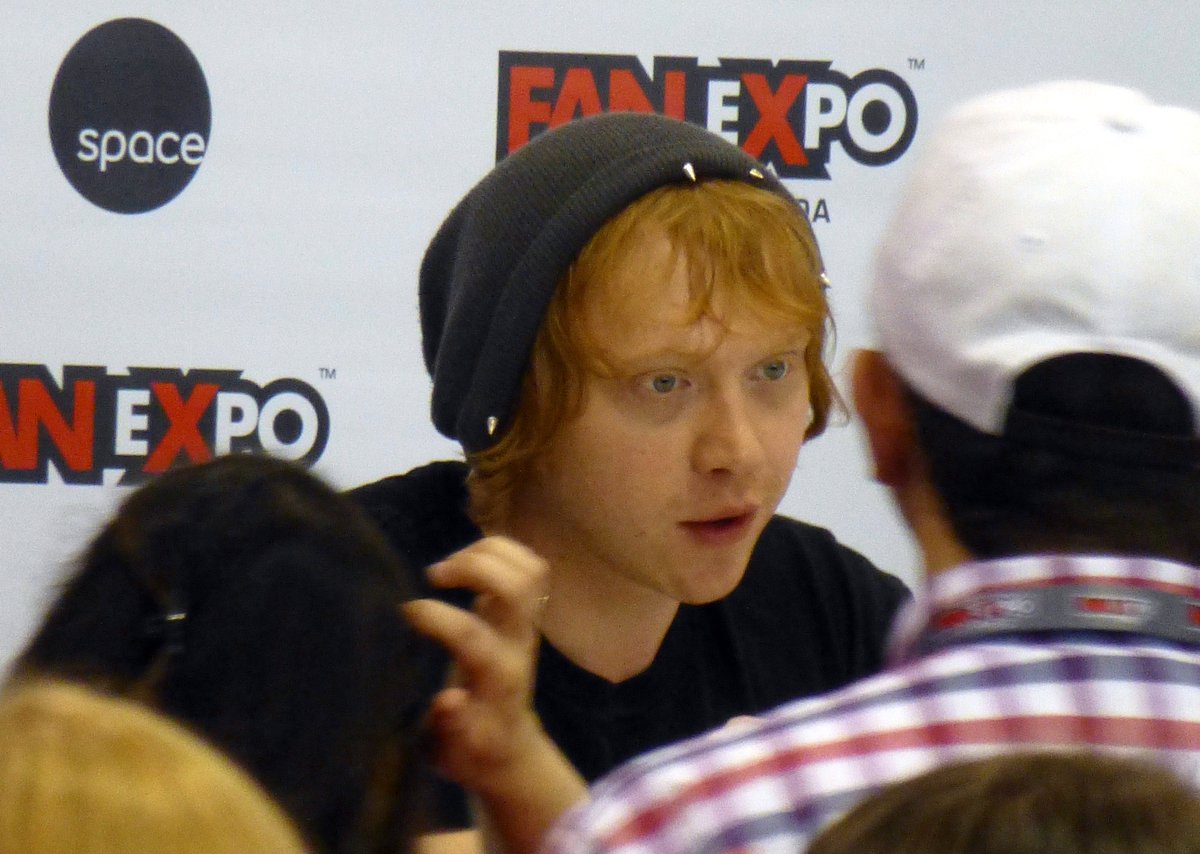
Tom Felton is thrilled. Rupert Grint is going back to Broadway to play Ron Weasley again, which means we’ve officially reached the point where nostalgia has become a production budget. The actor who spent a decade playing a supporting character in a children’s film franchise is now being positioned as a cultural event. This is what peak entertainment looks like in 2026.
Why does a 38-year-old need to reprise a role he abandoned in 2011? Because the original stories stopped mattering somewhere around 2015, and the only thing left to monetize is the actors’ willingness to dress up as their younger selves. Broadway producers have weaponized fan sentiment into a revenue stream. Grint gets a paycheck, producers get ticket sales, and audiences get to watch a middle-aged man perform nostalgia as though it’s art.
Felton’s excitement is the real tell here. He’s not excited about new creative work or artistic reinvention. He’s excited about his friend getting paid to be a museum exhibit of himself. The entire industry has agreed that the best use of beloved actors’ remaining career capital is to have them stand on a stage and remind everyone that yes, they were once young and in a very famous movie.
The original Harry Potter books are still in print, gathering dust on shelves while people buy tickets to watch an actor who hasn’t read them in fifteen years pretend to read a map. This is what happens when intellectual property outlives its actual intellectual content. The characters became more valuable as nostalgia triggers than as stories worth telling.