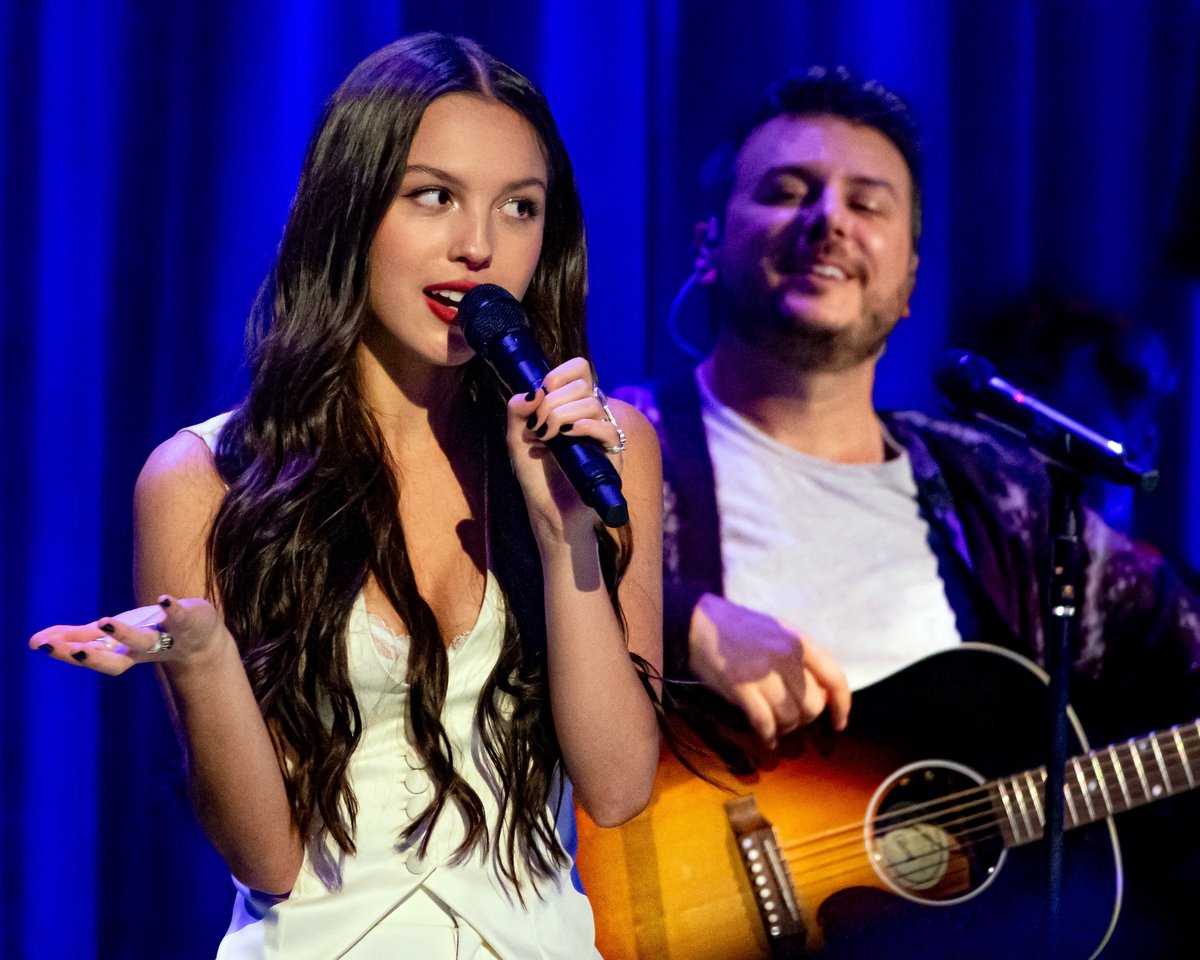
Dylan Holloway has done what every introspective musician secretly wants to do: record a duet with himself. Not a remix. Not a remaster. Not even a clever vocal layering trick that session musicians have been doing since 1987. A literal conversation between his past identity and his present one, now streaming across every platform that will have it.
The song is called “Conversation Across Time,” which is either the most pretentious or most honest title ever written. The premise is simple enough to fit on a napkin: past Dylan sings a verse. Present Dylan responds. They harmonize on the chorus while presumably staring into each other’s digital souls. The internet has decided this is either profound or the most self-absorbed thing since the last person who released a solo album.
What makes this genuinely interesting is not the song itself—it’s the cultural moment it represents. We live in an era where identity has become so malleable, so publicly documented, so algorithmically curated that artists can literally point at their old Instagram posts and say “that was a different person.” And they’re not entirely wrong. Dylan spent years presenting one version of himself to the world. Then he didn’t. Now he’s made both versions sing together like some kind of emotional hostage negotiation set to a beat.
The production is slick. Too slick. You can hear the production budget in every reverb tail, every carefully EQ’d vocal layer. This is not two people in a room having a conversation. This is a person in a room having a conversation with a ghost he paid $50,000 to exorcise through a mixing console.
Has any artist actually needed to do this? Obviously not. Every musician on Earth contains multitudes. Every person who posts a photo of themselves at 22 and then at 32 is technically duetting with their past self every time they open their camera roll. But those people don’t have a record deal. They don’t have a producer. They don’t have the infrastructure to turn introspection into a streaming event.
The viral angle was inevitable. Social media loved it because it’s the perfect content: therapeutic, self-aware, vaguely spiritual, completely unnecessary. TikTok duets within hours. Think pieces about identity and authenticity within days. Reddit threads debating whether this is genius or narcissism by end of week. The song itself became secondary to the concept. The concept became secondary to the discourse. The discourse became secondary to the engagement metrics.
What’s genuinely absurd is how this tracks as revolutionary. “Artist explores different versions of himself” is not news. It’s therapy. It’s a journal entry. It’s what every human does internally every time they make a significant life change. But add production, add distribution, add a music video where past Dylan and present Dylan are in the same frame somehow, and suddenly it’s a statement about the human condition.
The comments section is doing the heavy lifting here. Some people are calling it cathartic. Some are calling it self-indulgent. Some are asking whether Dylan actually needed permission from his past self to use those old vocal recordings, which is the only legally interesting question anyone has asked. His label’s lawyers probably had a field day with that one.
There’s something almost honest about the whole thing, though. Dylan didn’t pretend this was about anything other than what it is: a person looking back at who they used to be and deciding to have a conversation about it. He didn’t dress it up in metaphor. He didn’t claim it was about universal themes or the human experience. He just recorded a duet with a ghost and let people decide what it meant.
The song will probably chart. It will definitely get covered by someone doing an acoustic version within six months. Someone will cry at a concert when he performs it. Someone else will make a TikTok about how much it changed their life. And Dylan will have created a permanent artifact of a moment in time when he felt compelled to sing directly to his own past.
In 2026, that passes for a statement.