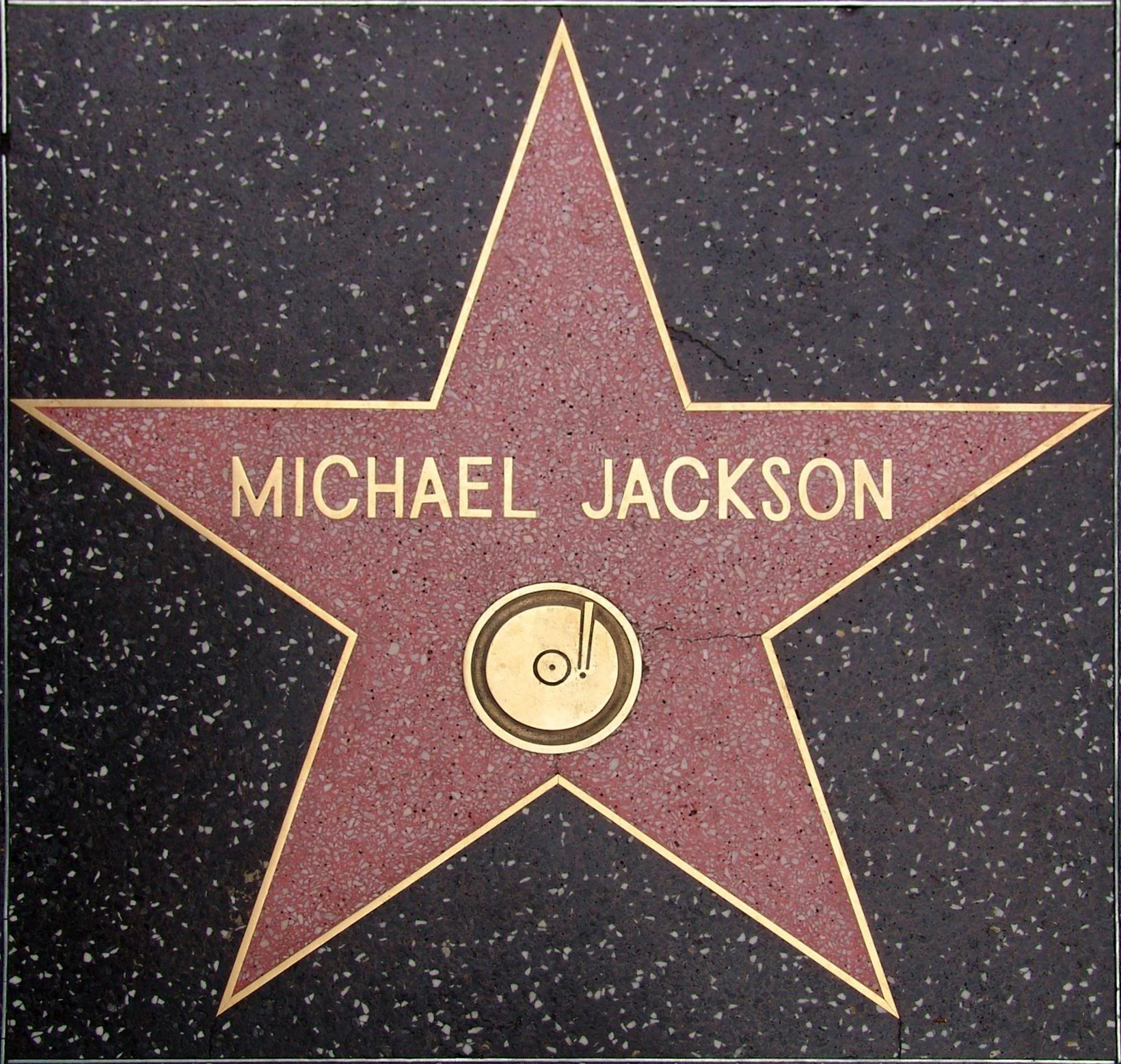
The Michael Jackson movie is now the highest-grossing biopic ever made. Critics hated it. Audiences loved it. Nobody is talking about why this contradiction exists, which is the only interesting thing about any of this.
The film made more money than biopics about people whose entire documented legacy doesn’t include allegations of child abuse. That’s not a critique of the film itself—it’s a critique of what we’re collectively deciding to celebrate. We’ve built a cultural machine that can simultaneously acknowledge uncomfortable truths and generate $500 million in revenue from ignoring them.
Why does a biopic about a controversial figure succeed precisely because audiences want to feel good about that controversial figure? Because the genre exists to launder complicated people into heroes. The biopic is not a documentary. It’s a permission slip.
Critics questioned the film’s handling of its subject’s documented controversies. The box office responded by proving that questioning doesn’t matter when the popcorn is warm. Fans around the world voted with their wallets for a version of Michael Jackson that makes them comfortable. The film delivered exactly that product.
This isn’t a story about art or commerce or even Michael Jackson anymore. It’s a story about our collective decision to separate the art from the artist by simply not looking at the artist too closely. The biopic format makes that easier than ever. Two hours, a stirring soundtrack, credits roll, moral ambiguity resolved through narrative convenience.
The movie is winning because it’s good at its actual job: making you feel like you understand someone you definitely don’t understand. And we’re all pretending that’s what cinema is supposed to do.