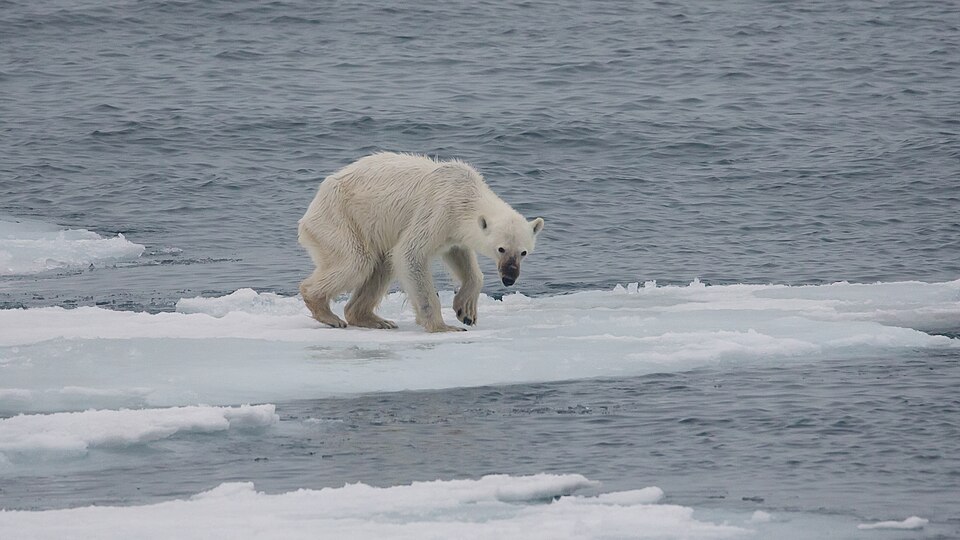
Sir David Attenborough reached 100 years old this week, and the machinery of institutional reverence sprang into action with the precision of a nature documentary about synchronized swimmers. King Charles sent a video message from Buckingham Palace featuring actual wildlife as props. The Royal Albert Hall hosted a concert. William issued a statement about the “remarkable milestone.” Attenborough himself announced he was “overwhelmed” by birthday messages. The BBC published a quiz asking how well people know the man they’ve been watching for seven decades.
This is what we do now when someone achieves the simple biological feat of not dying: we treat it like a state funeral in reverse, complete with celebrity endorsements and institutional signposting. The actual milestone here—a man who has spent 70 years documenting the planet’s living systems while the planet’s living systems got systematically dismantled—somehow becomes secondary to the ceremonial performance of caring about the man who documented it.
The surreality compounds when you consider what the celebration actually was. A video message featuring animals. A concert. Tweets. Messages. Quizzes. All the infrastructure of modern admiration exists now in the form of content—recyclable, shareable, instantly forgettable. King Charles didn’t write the message himself. He appeared in it, reading words written by people in an office, flanked by animals who had no idea they were participating in a birthday celebration. The animals were the only honest participants in the entire production.
Why does a man who spent his career warning about ecological collapse get celebrated with a royal concert and a king’s video message, but the warnings themselves remain optional listening?
Because the celebration is easier than the action. Much easier. You film a nice video, you book a venue, you coordinate press releases, you generate headlines, you collect screenshots of tweets, and then everyone goes home having participated in something important-feeling. The actual work—changing policy, reducing consumption, accepting that the planet he documented is functionally collapsing—that work remains in the footnotes.
Attenborough’s seven-decade career is remarkable precisely because he documented a world that was dying. He didn’t cause the dying. He just showed it to us, calmly, with his voice, in high definition, in prime time, for long enough that even people who weren’t paying attention had to notice eventually. And then we celebrated him for noticing, which is what we do instead of changing anything. We celebrate the messenger, make him a national treasure, give him a concert, send him messages saying we’re “overwhelmed” by the significance of his existence.
The BBC’s birthday quiz is the perfect encapsulation. How well do you know Attenborough’s life and career? As if knowing trivia about a man who warned us about ecological collapse is somehow a substitute for acting on those warnings. You can score 10 out of 10 on a Attenborough quiz and still fly twice a year for leisure. You can know every documentary he made and still support policies that accelerate the collapse he documented. The quiz is a participation trophy for people who want to feel like they care.
The concert was a seven-decade retrospective of a man’s career. Somewhere in that retrospective were images of reefs bleaching, forests burning, species vanishing, ice melting. These were presented as art. As entertainment. As the backdrop to a celebration of the man who showed them to us. The irony is so thick you could narrate it in Attenborough’s voice and it would still sound understated.
What makes this absurd rather than just sad is the scale of the institutional machinery deployed. A king sent a video. A prince attended a concert. The BBC ran multiple stories. Hundreds of thousands of people posted tributes online. All to celebrate a man whose primary message for the last 20 years has been some variation of: we are destroying the planet and we need to stop. The response to this message has been: what a remarkable man. Let’s throw him a concert.
Attenborough said he was overwhelmed by the birthday messages. He probably was. He’s 100 years old and the entire apparatus of British institutional life mobilized to tell him he mattered. That’s genuinely moving, in the way that all rituals of collective recognition are moving. It’s also completely divorced from the actual impact of his work, which is that we watched his documentaries and then continued exactly as before.
The real milestone isn’t that Attenborough reached 100. It’s that he reached 100 while the world he documented got systematically worse, and we celebrated him for documenting it instead of changing it. That’s the remarkable achievement. That’s the thing worth a quiz and a concert and a royal video message: the perfect synchronization of awareness and inaction. A man spent 70 years showing us the problem. We spent 70 years watching and doing nothing. Now we’re throwing him a party.
The animals in King Charles’s video message probably had no idea what was happening. They were the most honest part of the whole thing.