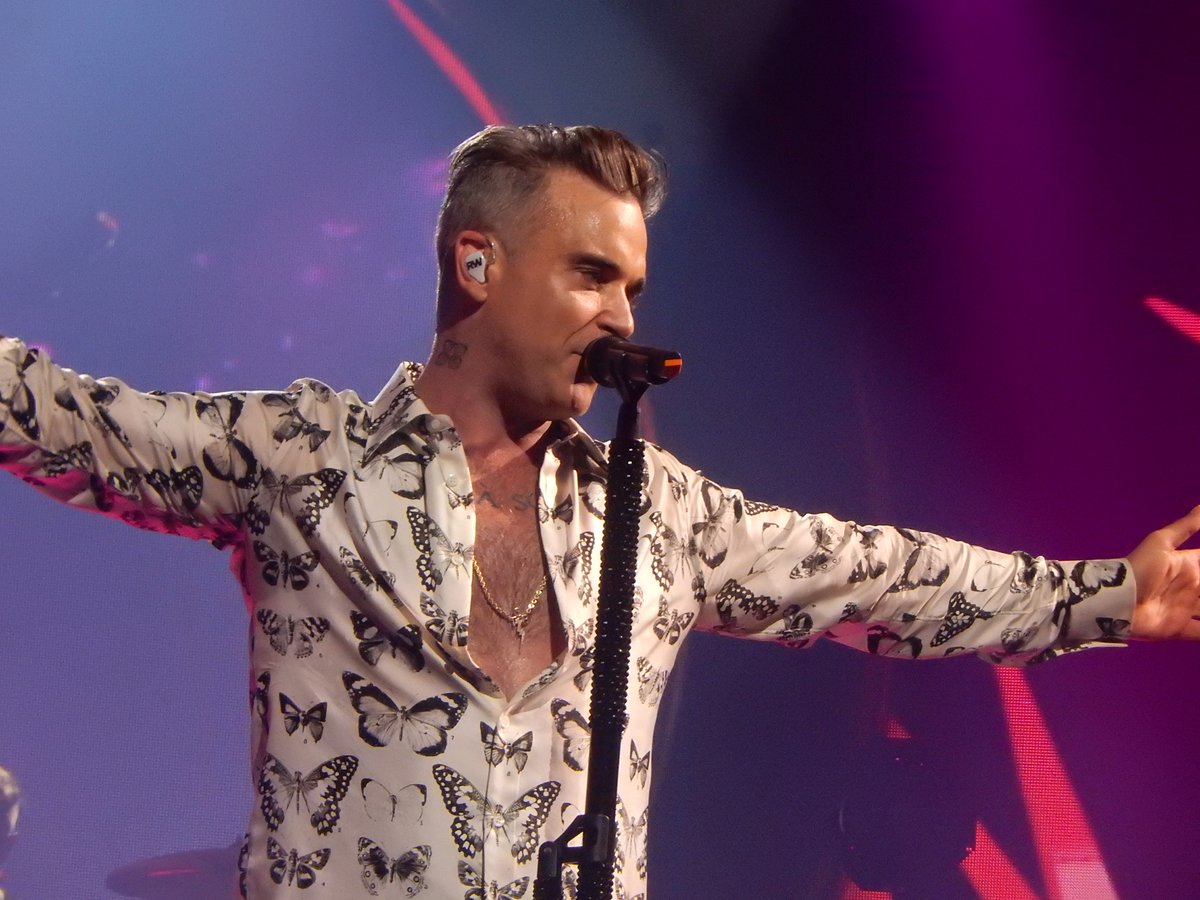
A stadium full of Peruvian Robbie Williams fans paid for a concert. They got a hotel hallway instead.
When the Lima venue collapsed—literally or figuratively, the reports are delightfully vague—Williams pivoted with the speed of a man who has spent three decades monetizing his own existence. He assembled fans outside a hotel and performed an impromptu singalong. The internet called it heartwarming. The ticket holders called it a refund request.
Here is the fundamental contract Williams renegotiated on the fly: you paid for production value, lighting rigs, sound engineering, and the privilege of sitting in assigned seating. What you got was a man with a microphone in a hallway, acoustic vibes, and the distinct feeling of being consoled rather than entertained.
Why is a celebrity’s ability to pivot from “contracted obligation” to “intimate experience” treated as generosity instead of damage control? Because the narrative writes itself. One moment you are a disappointed customer. The next you are part of a “special memory.” The goalpost moved. You moved with it. Everyone pretends this was the plan.
The karaoke session will live forever on social media as proof that Robbie Williams is a good guy. The refund policy will live in the fine print. One is a story. One is a spreadsheet. Guess which one the venue’s insurance company cares about.