The Bafta Television Awards happened again, which means somewhere in London a building full of people who work in television gathered to congratulate themselves on their work in television while carefully avoiding any actual discussion of the television they’d made.
The ceremony was held, as these things always are, in a location that cost more to rent than most people earn in a year. The stars arrived. They wore clothes. Some of those clothes cost more than a car. This was apparently newsworthy enough to warrant an entire photo gallery titled ‘Stars on red carpet at Bafta TV Awards - in pictures,’ which is what happens when the event has run out of things to say about the actual performances.
Adolescence made history. This is the kind of statement that means nothing and everything simultaneously — it won an award, which is what awards do, and presumably it did this while being on television, which is the baseline requirement for attending a television awards ceremony. The show was honoured. The stars were honoured. Everyone involved was honoured except, notably, the viewers who had to sit through the broadcast waiting for someone to explain why any of this mattered.
The BBC published a spoiler warning ahead of the winners list. Think about that sentence for a moment. A television awards ceremony, broadcast on live television, required a spoiler warning because people might accidentally find out who won before watching the ceremony where they find out who won. The entire event’s structural purpose had become so irrelevant that the BBC needed to protect viewers from the crime of knowing the outcome before the outcome was ceremonially announced. This is what happens when the medium becomes secondary to the spectacle.
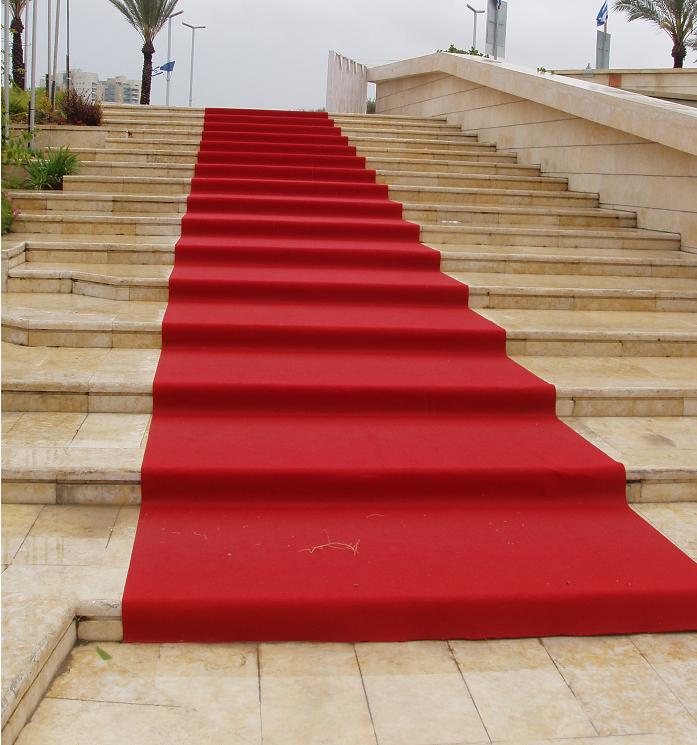
Big names and rising stars were ready, according to the official messaging. Ready for what, exactly? To sit in assigned seating and clap when their names were called? To walk down a carpet that serves no functional purpose except to provide photographers with a controlled environment to photograph expensive clothing? The word ‘ready’ implies some kind of challenge or preparation, when in fact the entire evening’s itinerary consisted of arriving, wearing something, and waiting.
The phrase ‘the biggest night in the British TV calendar’ appeared in the promotional material. This is what happens when an industry decides that the night it celebrates itself is bigger than the nights when people actually watch television. The BAFTAs are not the biggest night in British television — they are the biggest night in British television’s opinion of itself. The distinction matters, or would, if anyone involved still remembered what the distinction was.
Amandaland and Traitors were mentioned alongside Adolescence, which is the kind of sentence structure that suggests all three are equivalently significant, when the real metric of significance at these events is not the quality of the programming but the photogenic quality of the attendees. A show could be brilliantly made and still lose to a show that looked better on the red carpet, and nobody would be shocked because nobody actually believes the awards are about the shows anymore.
The ceremony honoured ‘the best shows and stars of the past 12 months.’ Best according to whom? According to a voting body of industry professionals who have every incentive to vote for their friends, their colleagues, and the people they hope to work with next year. Best according to people who attend ceremonies like this one, which means best according to people who believe that a red carpet and a live broadcast constitute a meaningful evaluation mechanism.
Somewhere in that building, someone probably gave a speech about the importance of excellence in television. The speech was probably sincere. The speaker probably believed it. And then everyone went back to discussing the outfits, because that is what actually happened at the BAFTAs — the only thing that anyone will remember is what people wore, which means the only thing that actually mattered was what people wore, which means the entire ceremony was designed backwards from its actual purpose.