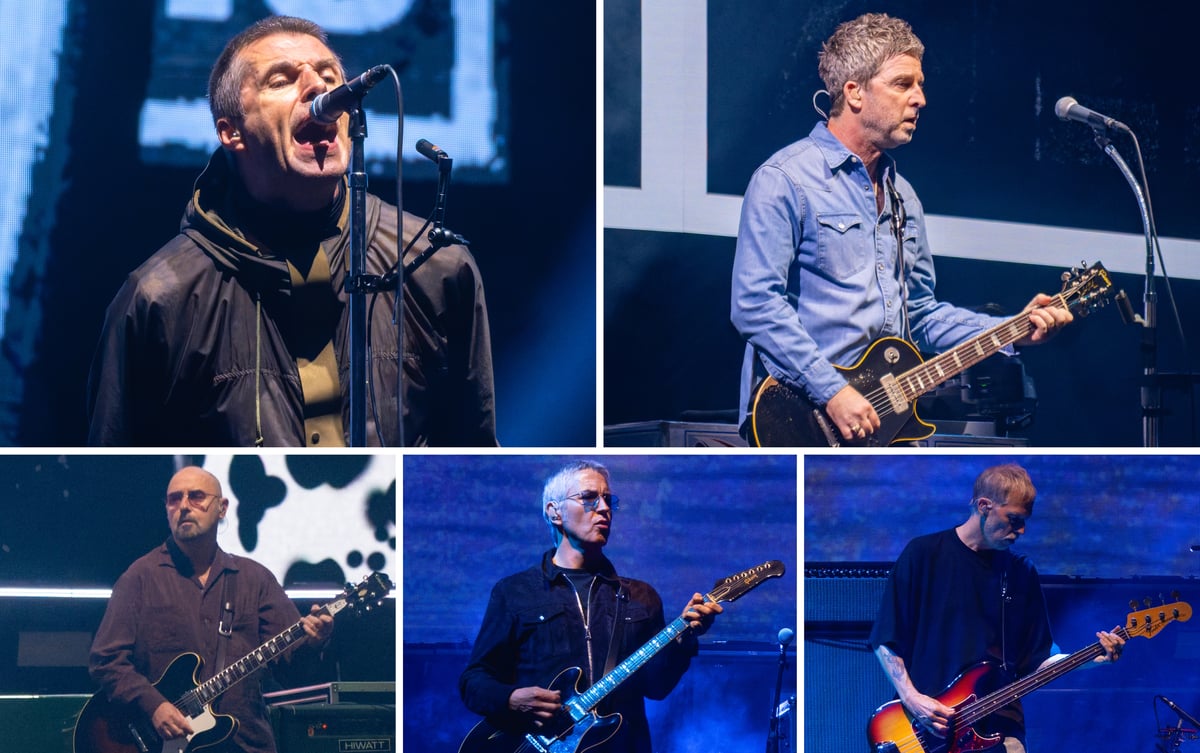
The Oasis reunion documentary arrives as a masterclass in conflict avoidance dressed up as emotional catharsis. Two brothers who spent thirty years refusing to share a stage, a dressing room, or basic human decency toward one another are now sharing screen time, and the film treats this like a breakthrough in conflict resolution rather than a temporary ceasefire between warring nations.
The documentary captures the euphoria of sold-out stadiums and nostalgia-drunk crowds. What it doesn’t capture is why these two men barely made eye contact during rehearsals. The reunion happened because ticket prices justified it, not because Liam and Noel suddenly discovered the concept of forgiveness. They’re being paid to stand near each other. That’s the entire story.
Instead, viewers get soaring cinematography, crowd shots, and enough emotional music cues to suggest that reconciliation actually occurred. It didn’t. What occurred was a financial arrangement with a stage. The brothers tolerated each other for ninety minutes at a time, collected their millions, and presumably returned to not speaking the moment the curtain dropped.
The film’s greatest achievement is making a multi-million-pound business deal look like a spiritual journey. That’s not a documentary—that’s marketing with a 120-minute runtime and orchestral swells. Oasis didn’t reunite because they resolved anything. They reunited because someone did the math and realized anger pays better than silence.