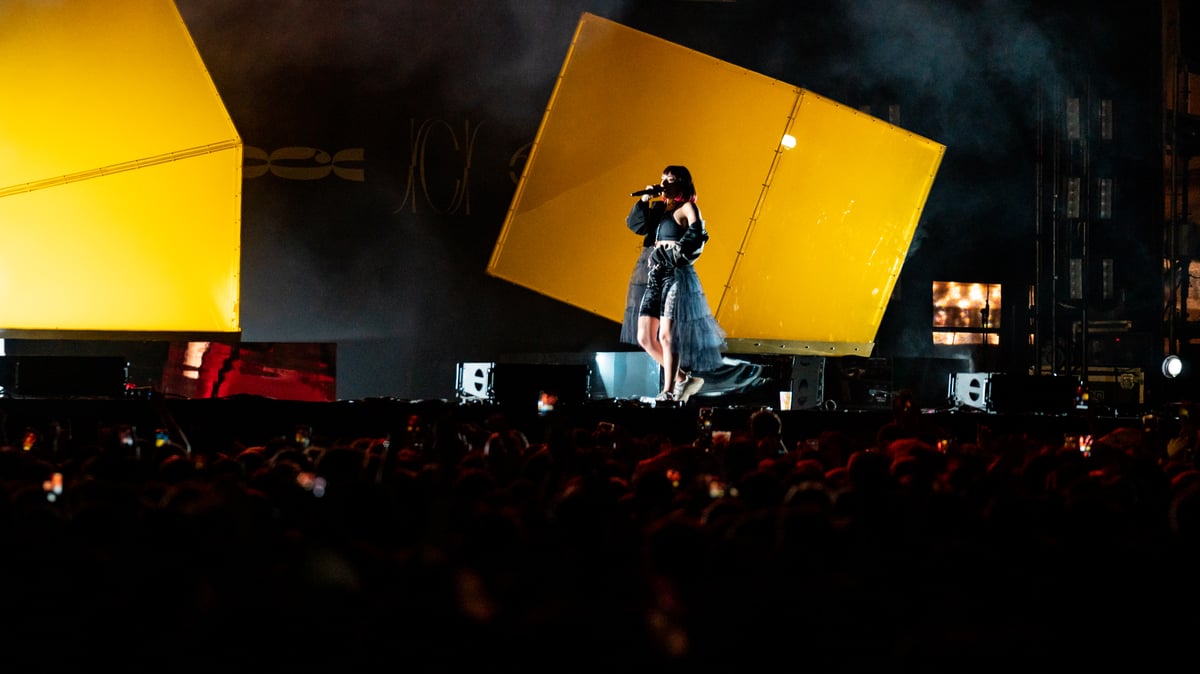
The National Portrait Gallery has officially purchased a photograph of Charli XCX and declared her one of the defining cultural figures of her generation. This is real. This happened. The institution that houses portraits of actual historical figures—people who, say, invented things or changed laws—now owns a picture of a pop star whose most enduring legacy might be teaching seventeen-year-olds a dance move that lasts six seconds.
The gallery’s curatorial decision arrives at precisely the moment Charli is filming herself in various states of undress for social media. The timing is not accidental. It is never accidental. When a cultural institution needs to prove it understands youth relevance, it purchases evidence of youth relevance and calls it curation.
What exactly makes someone a defining cultural figure? Not innovation, not artistry, not even consistent chart performance. It is the ability to trend. It is virality as a substitute for impact. Charli XCX will be remembered—the National Portrait Gallery has now guaranteed it—not for songs that changed pop music, but for being the person who understood that TikTok moves matter more than melodies.
The photograph is now part of the permanent collection. Future generations will see it and wonder what she did. The answer: she was very good at making people watch her. The gallery paid for the proof.