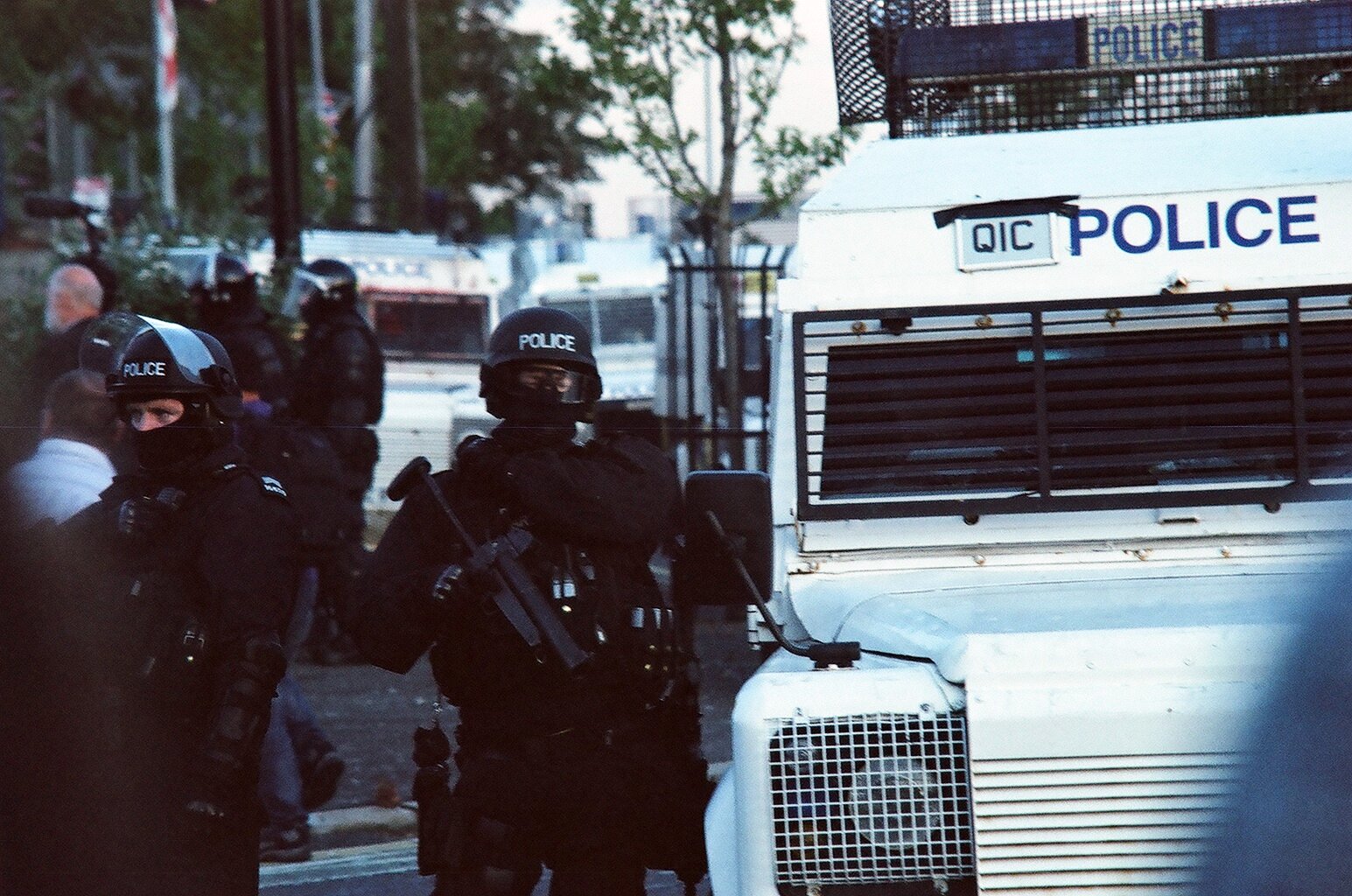
A performer in the Mean Girls musical has discovered that actual civil unrest is slightly different from the theatrical kind, and has responded with the appropriate level of panic. The actor, sheltering indoors while Belfast experienced genuine disorder, expressed deep concern about the cancellation of their shows—a loss of income and artistic expression that is, they suggest, emotionally equivalent to being trapped in a high school cafeteria with hostile peers.
The comparison is instructive. In Mean Girls, the protagonist navigates social hierarchies, betrayal, and the occasional threat of social exile. In Belfast last week, people faced actual violence, property damage, and a functioning city grinding to a halt. One involves witty one-liners and a climactic assembly; the other involves the police and genuine danger.
The actor has not left their house. They are scared. Meanwhile, residents of Belfast—who also have not left their houses, and are also scared—are dealing with the aftermath of actual chaos, not the symbolic kind. The distinction matters, though it appears to have been lost somewhere between the stage door and the panic.
What’s remarkable is not that an entertainer is upset about cancelled gigs. It’s that the emotional register—the sense of personal catastrophe, the feeling of being trapped in an incomprehensible social collapse—treats a cancelled musical run as morally equivalent to urban violence. The Mean Girls script writes itself. Nobody even needs to add irony.
The shows will reschedule. Belfast will recover. The actor will eventually leave their house. And somewhere, a high school student will genuinely wonder why adults keep comparing their problems to actual riots.